


Industrial manufacturing facilities worldwide are aggressively transitioning away from fossil fuels toward comprehensive plant-wide electrification. Integrating electric vehicle fleets, high-temperature heat pumps, and automated production machinery creates massive electrical load surges.
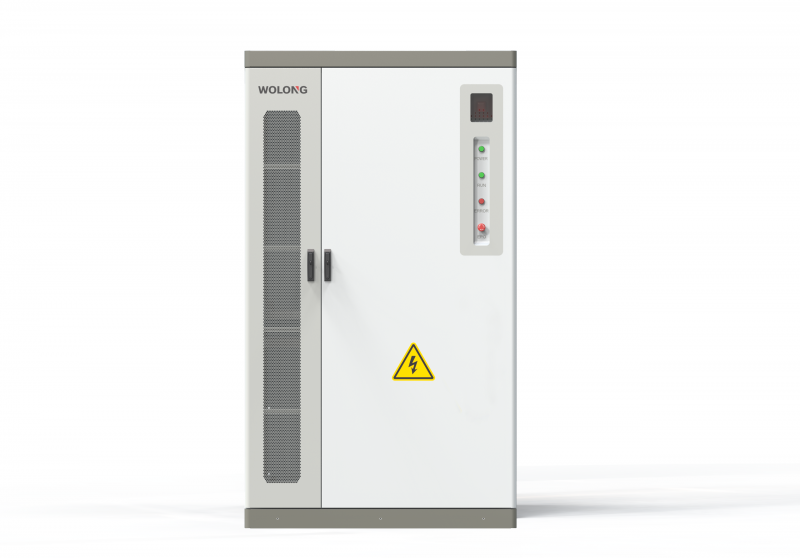
Facility managers quickly realize that standard utility grid connections cannot handle these sudden multi-megawatt demand increases without costly infrastructure upgrades. Planners now turn toward dedicated electrochemical buffering to stabilize internal distribution networks and maintain consistent operational velocity across all shifts.
Without proactive energy buffers, facilities risk unexpected downtime and severe regulatory non-compliance penalties. Managing these complex power transitions requires innovative engineering strategies that harmonize heavy industrial workloads with regional grid limitations.
The Hidden Electrical Strain of Modern Industrial Electrification
Factory floors undergoing rapid electrification experience severe electrical stress across legacy transformers and internal switchgear. Heavy-duty robotic assembly lines and commercial electric truck chargers draw massive amounts of power simultaneously.
This sudden surge creates deep voltage sags that can disrupt sensitive programmable logic controllers and precision manufacturing tools. Engineers must meticulously analyze transient currents to prevent catastrophic equipment failures across the production floor.
Unmanaged high-rate power draws push existing plant infrastructure far beyond its original thermal and mechanical design limits. Upgrading upstream utility substations involves prolonged delays and prohibitive capital expenditures that stall plant expansion schedules. To bypass these roadblocks, plant operators increasingly deploy a reliable C&I ESS to absorb and redistribute localized electrical spikes safely.
Operational continuity depends on maintaining a steady power balance while integrating high-draw industrial electrification equipment. Localized buffering prevents sudden demand spikes from tripping upstream protection relays or damaging sensitive plant hardware. Facilities require specialized hardware capable of delivering high C-rates and rapid response times under harsh factory conditions.
Navigating Escalating Peak Demand Penalties and Grid Limits
Utility tariff structures heavily penalize commercial facilities that exhibit high peak demand variations during standard operating hours. When multiple heavy industrial processes fire up concurrently, utility billing structures impose severe financial penalties on the factory.
Managing these unpredictable demand charges becomes a primary priority for plant financial controllers and energy managers. Accurate load forecasting ensures that financial investments yield maximum returns across multi-year operational lifecycles.
Deploying advanced battery energy storage solutions allows manufacturing plants to shave peak consumption windows effectively. Instead of drawing maximum power directly from the grid during high-tariff periods, facilities discharge stored energy locally. At Wolong, we help industrial clients configure intelligent energy management systems that optimize dispatch schedules automatically based on real-time pricing signals.
Local grid capacity constraints frequently limit how much total power a manufacturing facility can draw at any single moment. Regional utilities often reject expansion requests due to saturated local distribution transformers and congested transmission paths. Implementing on-site storage provides a vital work-around, enabling plant electrification without waiting for multi-year utility upgrades.
Integrating On-Site Storage for Load Leveling and Resilience
Factory resilience relies on maintaining uninterrupted power during sudden grid fluctuations, micro-outages, or regional blackouts. Integrating a robust C&I ESS guarantees seamless backup protection for critical automation lines and continuous-flow chemical processes.
Advanced inverter technologies enable sub-second transitions from grid-tied operation to isolated island mode without dropping a single cycle. Comprehensive data logging provides operators with deep visibility into state-of-charge health and battery degradation metrics.
Thermal management and modular scalability remain crucial factors when designing high-density energy storage arrays for industrial settings. At Wolong, our engineering teams design liquid-cooled enclosures engineered specifically to withstand extreme ambient temperatures and heavy particulate environments. Our advanced battery energy storage solutions feature multi-layered safety protocols, including continuous cell-level monitoring and aerosol suppression systems.
Load leveling algorithms smooth out the jagged demand profile of heavy manufacturing operations over extended production cycles. By charging during off-peak hours and discharging during peak production phases, facilities achieve optimal operational efficiency and cost control. This strategic shifting reduces strain on internal transformers and extends the working lifespan of critical plant electrical infrastructure.
Engineering Scalable Power Infrastructure for Future Operations
Future-proofing heavy industrial sites requires flexible power architectures that scale alongside ongoing facility electrification initiatives. As factories incorporate additional robotic systems and electric vehicle fleets, energy storage capacity must expand seamlessly.
Modular hardware designs allow operators to add storage capacity incrementally without disrupting existing plant workflows or electrical layouts. Collaborative engineering partnerships remain essential for aligning internal plant capacity with complex grid interconnection requirements.
Selecting a trusted technology partner ensures that every installed C&I ESS meets rigorous international electrical and fire safety standards. At Wolong, our technical specialists conduct comprehensive site load profiling to tailor energy storage layouts to unique factory demands. We combine decades of industrial power electronics expertise with cutting-edge battery management to deliver unmatched operational reliability.
Enabling the Next Phase of Industrial Electrification with Energy Storage
The ongoing acceleration of industrial electrification permanently alters how manufacturing plants interact with regional power grids. Strategic deployment of modern battery energy storage solutions bridges the gap between ambitious decarbonization targets and physical grid limits. Industry leaders who embrace these resilient power strategies secure a lasting competitive advantage in an increasingly electrified global economy.