


Grid interconnection queues stretch across multiple years in major power markets, leaving clean energy projects stranded. Traditional generation developers watch helplessly as local utilities reject new capacity applications due to congested substations.
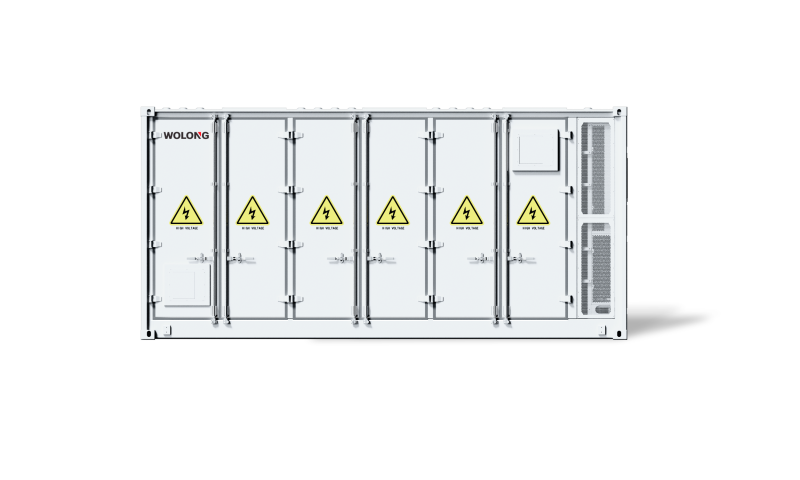
Merging photovoltaic generation with electrochemical buffers behind a single point of interconnection changes this dynamic entirely. Pairing generation assets under one unified physical footprint maximizes existing grid capacity without triggering costly network overhauls.
Overcoming Interconnection Bottlenecks Through Shared Infrastructure
Securing separate transmission agreements for distinct power plants drains capital and stretches development timelines indefinitely. Sharing transformers, switchgear, and cabling across combined assets cuts upfront infrastructure expenses dramatically.
Municipal utilities favor unified site footprints because single interconnection points simplify local network management and reduce maintenance overhead. Capital expenditure reductions often reach thirty to fifty percent compared to standalone facility installations across congested regional grids.
Engineers designing shared electrical nodes must evaluate maximum simultaneous export limits carefully before finalizing schematics. Regional transmission organizations restrict total site injection to match pre-approved grid capacity thresholds without exception.
Advanced plant controllers regulate combined power outputs instantly to prevent accidental grid overages during peak generation intervals. Here at Wolong, our engineers provide sophisticated control platforms that govern these complex electrical interactions seamlessly under varying load conditions.
Physical proximity alone does not guarantee efficient electrical synergy between photovoltaic arrays and electrochemical units. High-voltage DC coupling versus AC coupling architectures dictate conversion efficiencies across various operational modes.
Technical teams must model site-specific generation curves alongside regional load profiles before locking down hardware layouts. Optimal system design ensures that electrical losses remain minimal during high-output operating periods and unexpected grid fluctuations.
Mitigating Solar Curtailment and Optimizing Dispatch Control
Midday photovoltaic generation frequently exceeds local grid export limits or local substation absorption capacities. Grid operators force curtailment during high-irradiance hours, wasting millions of clean kilowatt-hours annually across major utility regions.
Capturing this otherwise lost energy requires robust renewable energy battery storage systems installed directly on site. Storing surplus electrons instead of shedding them transforms waste into a valuable commercial commodity for asset owners.
Software intelligence orchestrates complex dispatch schedules to maximize financial returns across volatile wholesale markets. Predictive algorithms analyze weather forecasts and real-time pricing signals to determine ideal charging windows.
Automated routines shift stored energy toward evening peak demand periods when electricity prices peak. Operational flexibility turns intermittent generation sites into reliable dispatchable power plants capable of supporting regional network stability.
Market participation extends beyond simple energy arbitrage into lucrative ancillary service frameworks. Regional grid operators require rapid frequency response to stabilize distribution voltages during sudden supply shifts.
Co-located facilities deliver instantaneous power injections that standalone solar farms cannot match independently. Active grid support elevates project revenues significantly over standard operating lifespans while strengthening local grid resilience.
Balancing Thermal Loads and System Degradation Profiles
Intensive cycling environments generate substantial thermal stress across internal battery racks and conversion inverters. Maintaining strict temperature uniformity prevents premature electrochemical degradation over thousands of continuous cycles.
Advanced liquid cooling loops isolate sensitive cell components from harsh outdoor ambient temperature swings. Reliable thermal management protects long-term capital investments from unexpected capacity decay and severe operational downtime.
Manufacturer warranties depend heavily on adhering to strict operational boundaries and ambient thermal limits. Industrial buyers partnering with specialized solar battery storage companies secure robust performance guarantees covering multi-year lifespans.
At Wolong, we integrate comprehensive diagnostic telemetry that tracks cell-level health continuously across all deployment blocks to prevent unforeseen component failures.
Depth of discharge parameters and round-trip conversion losses consume a fraction of total nameplate energy reserves. Facility operators must apply conservative derating factors when projecting long-term revenue yields.
Accurate degradation modeling prevents unexpected shortfalls during critical grid contingency events and high-demand windows. Rigorous pre-commissioning testing validates system resilience before commercial operation dates arrive across regional networks.
Navigating Legal and Commercial Structuring Realities
Ownership structures require meticulous legal drafting when separate corporate entities manage generation and storage assets. Lenders financing solar portfolios often demand strict ring-fencing of battery liabilities to protect primary revenue streams.
Clear contractual agreements govern how shared infrastructure costs and maintenance duties are divided among stakeholders. Transparent legal frameworks eliminate friction during project financing negotiations and debt service evaluations.
Municipal planning permissions and environmental reviews must account for the physical expansion of storage enclosures. Local fire codes mandate strict safety buffers, aerosol suppression systems, and emergency ventilation pathways.
Compliance verification prevents costly permitting delays that jeopardize construction financing milestones. Our technical teams at Wolong collaborate closely with regional authorities to satisfy all relevant safety codes effortlessly across diverse jurisdictions.
Future-Proofing Co-Located Projects for Lasting Performance
Long-term financial viability relies on extracting maximum utility from every kilowatt-hour routed through shared equipment. Strategic asset sizing ensures that storage blocks match actual site throughput profiles without overspending.
Industry stakeholders embracing integrated co-location strategies will dominate the evolving renewable energy landscape. Deploying efficient renewable energy battery storage alongside advanced solar battery storage companies establishes an unshakeable foundation for modern enterprise decarbonization.