


Commercial vehicle depots face unprecedented power challenges as logistics operators rapidly transition their fleets toward full electrification. When dozens of heavy delivery trucks or municipal buses plug in simultaneously overnight, local substation infrastructure experiences severe stress.
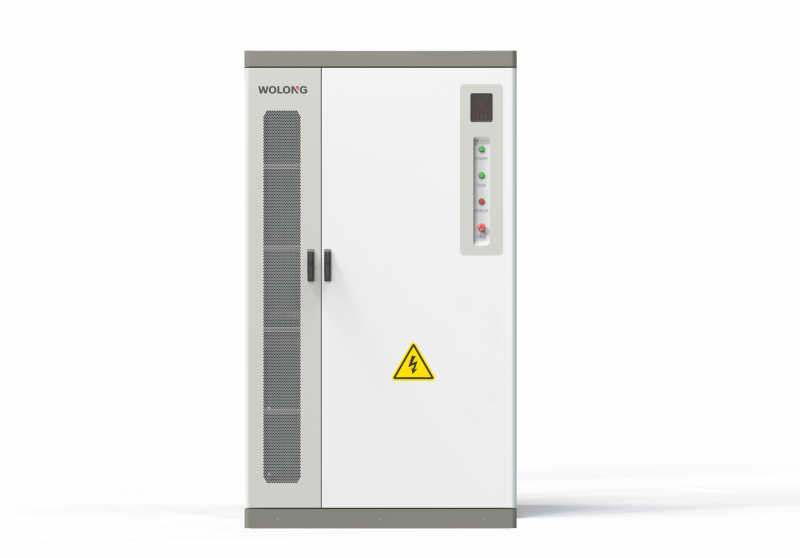
Standard grid connections frequently lack the thermal headroom required to deliver multi-megawatt power blocks without expensive upstream upgrades. Fleet operators quickly discover that traditional utility hookups cannot support rapid vehicle turnaround schedules without triggering emergency shutdowns. Managing this sudden electrical surge requires dedicated on-site buffering to stabilize internal distribution networks and prevent costly downtime.
The Electrical Bottlenecks of Simultaneous Fleet Depots
Local distribution transformers endure intense mechanical vibration and rapid thermal degradation when subjected to unmanaged vehicle charging spikes. Upgrading utility substations involves multi-year engineering studies and prohibitive capital expenditures that stall fleet expansion plans.
To overcome these barriers, modern logistics facilities increasingly integrate a high-performance C&I ESS to absorb and redistribute power safely. This local buffering approach decouples high-power vehicle charging demands from constrained regional transmission capacity. Facility managers maintain uninterrupted charging operations regardless of upstream grid limitations or local transformer restrictions.
Unmanaged charging profiles also create severe voltage sags that compromise the operational safety of facility automation and maintenance equipment. Engineers must deploy advanced power electronics capable of regulating output voltage precisely during high-draw vehicle synchronization phases.
Without proper electrical insulation, simultaneous multi-vehicle charging risks tripping main facility protection relays and halting depot operations. Addressing these complex power dynamics requires robust hardware engineered specifically for heavy commercial duty cycles and continuous operation. Comprehensive testing ensures that internal components withstand repeated high-rate transients without premature wear.
Mitigating High Demand Charges Through Intelligent Buffering
Utility tariff structures impose punishing financial penalties on commercial facilities that exhibit high peak demand variations during billing cycles. When an entire electric fleet initiates charging concurrently, the resulting power spike dictates the monthly utility bill.
These punitive demand charges often represent the single largest operating expense for commercial transport depots. Mitigating these volatile cost structures becomes an absolute priority for fleet financial controllers and energy operations managers.
Deploying advanced commercial battery storage allows depot operators to decouple vehicle charging loads from direct grid consumption. During high-tariff windows, stored electrochemical energy discharges locally to power vehicle chargers without drawing excess grid power.
At Wolong, we assist logistics enterprises in configuring intelligent energy management systems that optimize dispatch schedules automatically based on real-time pricing signals. This automated load shifting shields facility budgets from unpredictable utility billing fluctuations and unexpected tariff hikes.
Accurate load forecasting ensures that capital investments in stationary storage yield maximum financial returns across multi-year operational lifecycles. Intelligent software algorithms analyze historical fleet schedules to predict daily energy requirements and automate battery replenishment cycles precisely.
By charging storage modules during low-cost off-peak hours, operators capture substantial arbitrage savings every single day without disrupting logistics. Strategic energy management transforms an unpredictable operational cost center into a predictable, optimized financial asset that enhances corporate sustainability.
Optimizing High-Power Charging Cycles With Advanced Energy Assets
Rapid turnaround requirements demand that electric vehicles charge at extreme power rates during brief operational windows. Traditional grid lines cannot supply these instantaneous high-rate currents without exceeding local substation thermal limits.
Integrating a reliable C&I ESS bridges this power gap by injecting supplemental energy directly at the vehicle charging stalls. This localized injection ensures that vehicles achieve full state-of-charge rapidly without straining upstream distribution lines.
Thermal management and modular scalability remain crucial factors when designing high-density energy storage arrays for fleet depots. At Wolong, our engineering teams design liquid-cooled enclosures engineered specifically to withstand extreme ambient temperatures and continuous cycling.
Our robust commercial battery storage systems feature multi-layered safety protocols, including continuous cell-level monitoring and integrated suppression systems. These protective measures guarantee long-term operational resilience under demanding commercial transport conditions.
Software orchestration plays a vital role in balancing vehicle charging priorities with available stationary energy reserves. Smart dispatch algorithms coordinate power distribution dynamically across multiple vehicle stalls based on departure urgency and route requirements.
Comprehensive data logging provides operators with deep visibility into battery health, state-of-charge metrics, and system efficiency. Real-time telemetry ensures that depot managers maintain absolute control over every kilowatt-hour moving through the facility infrastructure. Automated alerts notify technicians immediately if any thermal or electrical anomaly arises during active charging cycles.
Engineering Scalable Power Infrastructure for Sustainable Transit
Future-proofing commercial transport depots requires flexible power architectures that scale alongside ongoing fleet expansion initiatives. As logistics companies incorporate additional electric vehicles, stationary storage capacity must expand seamlessly without major civil engineering overhauls.
Modular hardware designs allow operators to add battery racks incrementally as operational footprints grow over time across regional distribution hubs. Collaborative engineering partnerships remain essential for aligning internal depot capacity with complex regional grid interconnection rules and utility tariffs.
Selecting a trusted technology partner ensures that every installed commercial battery storage asset meets rigorous international safety standards. At Wolong, our technical specialists conduct comprehensive site load profiling to tailor energy storage layouts to unique depot demands.
We combine decades of industrial power electronics expertise with cutting-edge battery management to deliver unmatched operational reliability. Our advanced C&I ESS portfolios empower transport operators to embrace full electrification with complete confidence.
Strategic Energy Storage as the Backbone of Fleet Electrification
Continuous acceleration of commercial vehicle electrification permanently alters how transit depots interact with regional power grids. Strategic deployment of modern electrochemical assets bridges the gap between ambitious decarbonization targets and physical grid limits.
Industry leaders who embrace these resilient power strategies secure a lasting competitive advantage in an increasingly electrified global economy. Sustainable transport operations depend entirely on intelligent energy management and robust stationary storage infrastructure.