


When commercial developers transition from single-site pilot installations to rolling out dozens of energy storage projects simultaneously, supply chain vulnerabilities quickly surface. Project timelines rely heavily on steady equipment delivery schedules rather than just initial engineering designs or financing approvals.
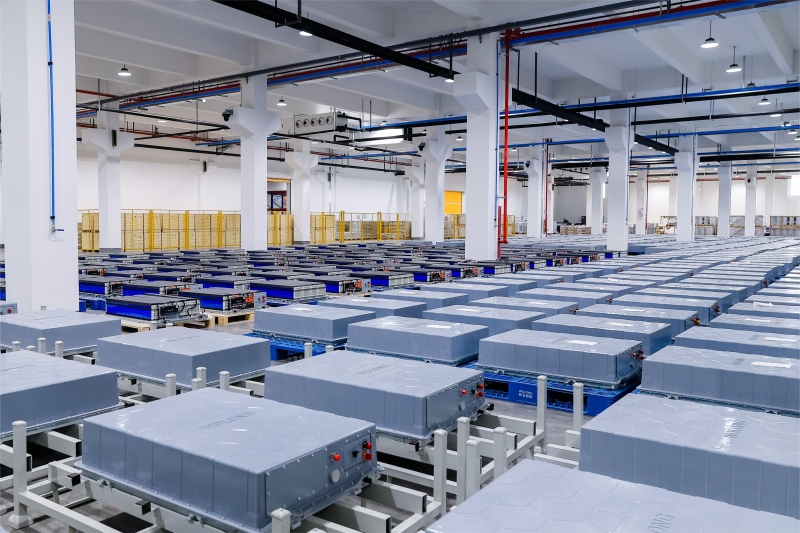
Manufacturing bottlenecks can instantly derail multi-million-dollar deployment schedules across competitive regional markets. Securing adequate factory output capacity has become the ultimate differentiator for developers executing large-scale infrastructure portfolios.
Managing parallel construction sites requires an unyielding, predictable stream of manufactured hardware to prevent costly crew idle times. Without robust manufacturing backing, ambitious multi-site deployment plans routinely suffer severe financial delays and contractual penalties.
The Hidden Vulnerability of Scaling Multi-Site Portfolios
Rapid portfolio expansion exposes systemic weaknesses in tier-two supply chains that single-project pilots never encounter during early testing phases. When procurement volumes jump from megawatt-scale to gigawatt-scale, component shortages ripple rapidly across every active construction site.
Delivery delays cascade through interconnected installation phases, driving up soft costs and administrative overhead expenses. Developers quickly realize that theoretical system designs mean very little if physical containerized units fail to arrive on schedule. Managing parallel construction sites requires an unyielding, predictable stream of manufactured hardware.
Global logistics disruptions and sudden raw material scarcity frequently catch unseasoned developers off guard during critical rollout phases. Relying on fragmented suppliers increases the likelihood of mismatched inverter firmware, cell inconsistencies, and warranty disputes. Maintaining uniform technical baselines across diverse geographical regions demands rigorous coordination with industrial-scale manufacturing partners.
At Wolong, we recognize that large portfolios require uninterrupted hardware streams backed by robust factory capacity. Scaling operations successfully hinges on eliminating supply chain friction before ground breaks on site.
Factory Output Stability Versus Dynamic Project Schedules
Construction milestones move rapidly, leaving zero tolerance for delayed equipment deliveries or sudden manufacturing line retooling. If a primary supplier encounters factory downtime, entire regional installation crews sit idle while carrying heavy daily overhead expenses.
Stable production output ensures that containerized units arrive precisely when civil engineering and electrical wiring teams finish preparatory work. Deploying advanced solar energy storage solutions requires highly synchronized assembly lines to maintain strict quality standards under high-volume output pressures.
Balancing high-speed production with rigorous quality assurance remains a formidable challenge for many equipment manufacturers in the clean energy sector. Automated testing protocols and strict in-line inspection gates prevent defective battery modules from leaving the factory floor.
Operational stability at scale depends on factories equipped with advanced robotics, automated cell sorting, and dedicated testing bays. Evaluating these industrial capabilities separates reliable manufacturing leaders from speculative assemblers who struggle with volume surges.
Evaluating Manufacturing Depth Among Supplier Partners
Project developers must look past polished marketing brochures and evaluate the actual factory footprint and capital backing of their vendors. Many emerging battery energy storage system companies outsource critical sub-assembly processes, introducing severe quality control risks and communication delays.
Vertically integrated manufacturing environments provide superior oversight over cell chemistry matching, thermal management integration, and enclosure fabrication. Knowing where and how hardware is built gives portfolio managers essential confidence during long-term operational phases.
Financial stability and long-term viability of equipment manufacturers directly influence the enforceability of multi-decade equipment warranties. If a key supplier goes out of business, asset owners lose crucial technical support and replacement parts for aging systems.
At Wolong, our extensive manufacturing infrastructure and industrial heritage guarantee long-term stability for our commercial partners worldwide. Evaluating vendor solvency and production scalability protects multi-million-dollar capital investments against unforeseen market turbulence.
Mitigating Supply Chain Disruptions Through Integrated Production
Proactive supply chain risk mitigation starts long before the ink dries on master procurement and delivery contracts. Diversified sourcing of raw materials and localized sub-component fabrication shield production lines against sudden geopolitical trade restrictions.
Furthermore, deploying advanced solar energy storage solutions equipped with standardized container blocks accelerates on-site installation velocity dramatically. Streamlined modular hardware reduces specialized labor requirements and simplifies complex utility inspection sign-offs.
Choosing established battery energy storage system companies with proven high-volume output records ensures that large portfolios stay strictly on schedule. We dedicated engineering and production teams coordinate closely with clients to tailor manufacturing schedules to precise milestone dates.
Strengthening Supply Chain Resilience for Large-Scale Projects
Transparent communication between factory floors and project managers eliminates costly surprises during intense multi-site construction windows. Portfolio success ultimately belongs to those who prioritize manufacturing depth and uncompromising supply chain resilience.