


Battery energy storage systems operate at low direct-current voltages that cannot interface directly with high-voltage utility transmission lines. Bridging this wide electrical gap requires specialized electromagnetic hardware designed to match distinct voltage thresholds seamlessly.
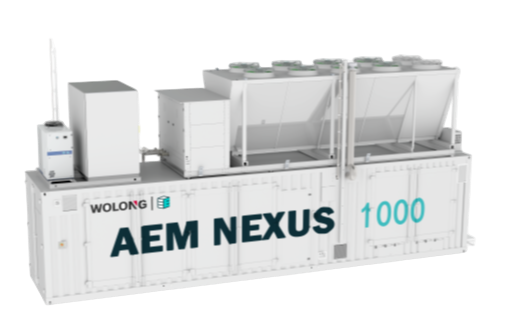
Without proper voltage conversion, stored electricity remains trapped inside isolated container blocks without any path to public grids. Understanding this critical component's internal function is vital for designing high-performance industrial power sites.
At Wolong, our electrical engineering teams specialize in optimizing power conversion loops to ensure smooth energy transfer across every operational stage. Proper equipment selection prevents thermal overloads and maximizes the efficiency of modern renewable energy storage projects. Selecting the right hardware format ensures long-term operational stability and protects delicate power electronics against sudden electrical surges.
Bridging the Voltage Gap Between Inverters and Transmission Grids
Battery racks typically discharge power between six hundred and fifteen hundred volts direct current, which power conversion systems invert into low alternating current.
Transmission grids, however, operate anywhere from thirty-four to five hundred kilovolts alternating current to minimize resistive power losses over long distances. A BESS transformer acts as the primary mechanical bridge between these radically different voltage domains, ensuring absolute electrical compatibility.
Voltage matching requires precise turns ratios to step up low inverter outputs to match local substation busbar voltages. If the transformation ratio is miscalculated, the entire asset suffers from severe efficiency penalties and potential thermal stress. Rigorous electrical modeling during the initial design phase ensures precise compatibility across all operational load profiles and dynamic grid states.
Stepping Up Low-Voltage Output for High-Voltage Transmission
Stepping up voltage involves electromagnetic induction across specialized primary and secondary copper or aluminum winding configurations. Magnetic flux transfers energy cleanly from the low-voltage inverter side to the high-voltage grid side without physical contact. This continuous conversion process enables massive industrial facilities to dispatch gigawatts of clean power reliably across wide geographic areas.
Advanced engineering models focus heavily on core magnetization losses and load-loss optimization to boost overall system efficiency. When developing large-scale renewable energy storage assets, minimizing no-load losses preserves stored energy during extended standby periods. High-efficiency core designs ensure maximum deliverable energy reaches the point of common coupling without unnecessary thermal dissipation.
Providing Galvanic Isolation and Fault Protection
Galvanic isolation represents a vital safety function embedded within every heavy-duty power conditioning unit. By physically separating the inverter circuitry from the public grid, the unit prevents ground loops and dangerous fault currents from propagating backward. Such separation protects sensitive control electronics from lightning strikes, switching transients, and sudden transmission grid surges.
Our technical experts at Wolong integrate robust shielding designs to suppress electromagnetic interference and protect internal substation components from premature degradation. Safety enclosures must withstand severe thermal cycling, heavy short-circuit forces, and aggressive environmental conditions over multi-decade operational windows. Comprehensive mechanical protection ensures uninterrupted power delivery during severe weather events.
Managing Harmonic Distortion and Reactive Power Flows
Power electronics inevitably introduce high-frequency harmonic distortion that can disrupt sensitive communication networks and local substation relays. A specialized BESS transformer incorporates unique vector groupings and electrostatic shields to attenuate unwanted harmonic currents effectively. Suppressing these electrical anomalies maintains strict compliance with local power quality utility codes.
Managing reactive power flow is equally important for maintaining stable local voltage profiles during peak demand intervals. Operators must dynamically adjust reactive output to support local grid stability without overheating primary winding insulation layers. Advanced impedance tuning allows modern power blocks to handle complex grid dynamics effortlessly under heavy operational loads.
Environmental Protection and Liquid Insulation Management
High-power step-up units typically utilize specialized mineral or synthetic ester oils to provide internal electrical insulation and effective thermal cooling. Monitoring fluid integrity prevents internal dielectric breakdown and eliminates costly catastrophic failures during heavy operational cycles. Regular sampling routines detect moisture ingress and dissolved gases before minor degradation impacts overall substation reliability.
Modern installations also integrate advanced secondary containment basins and oil-water separators to prevent environmental contamination risks. Regulatory compliance mandates strict containment measures around all heavy outdoor electrical assets to protect local soil and water tables. Meticulous fluid management ensures long-term operational safety and environmental stewardship across every commercial site.
Engineering Robust Substation Integration for Maximum Yield
Integrating heavy power conversion equipment into existing substation yards requires meticulous civil planning and structural pad design. Units must endure continuous thermal expansion and contraction driven by daily multi-megawatt cycling routines. Proper ventilation and cooling clearance around enclosures prevent internal oil overheating and premature insulation breakdown.
Selecting a high-quality BESS transformer ensures multi-decade asset reliability and lowers total lifecycle maintenance expenditures significantly. Wolong provides ruggedized engineering solutions tailored to withstand the demanding conditions of commercial and utility-scale deployments worldwide. Robust substation integration safeguards long-term financial returns and guarantees absolute grid compliance.
As grid modernization accelerates globally, deploying advanced renewable energy storage infrastructure remains essential for every engineering procurement team. Investing in premium transformation hardware secures enduring profitability and structural stability for future power networks. Proper component selection transforms complex electrical challenges into seamless, reliable operational success.