


The global transition toward renewable energy is accelerating, but challenges such as power fluctuations, grid stability, and energy availability continue to affect large-scale clean energy adoption. Solar and wind resources provide sustainable electricity generation, yet their variable output requires flexible solutions to ensure reliable power supply.
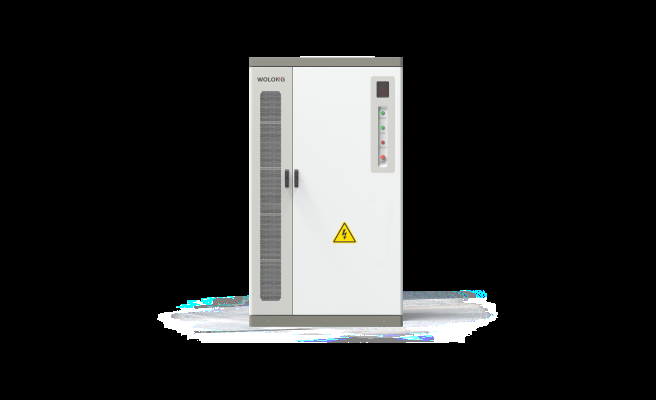
The key to efficient energy management, according to Wolong, is coordinating the use of suitable storage devices with specific use cases. Energy storage solutions are not designed for a single universal application. Power systems, renewable energy projects, and various industries all call for tailored solutions that strike a balance between efficiency, security, and cost.
Understanding the Role of Renewable Energy Storage in Modern Power Systems
Renewable energy battery storage plays a vital role in improving the reliability and efficiency of clean energy projects. When solar or wind systems generate more electricity than needed, storage systems can capture the excess energy and release it when production decreases or demand increases.
This approach helps solve one of the biggest challenges of renewable energy: unpredictability. By combining generation assets with advanced storage solutions, energy operators can improve electricity quality, reduce renewable energy waste, and create more stable power networks.
Our renewable energy storage solutions are designed to support different energy applications, including generation-side integration, grid-side management, and user-side energy optimization. Each scenario requires specific system characteristics, from large capacity configurations for power grids to flexible solutions for commercial facilities.
Selecting Products for Renewable Energy Integration Projects
Renewable energy projects often have unique operational requirements. A solar farm may need storage to shift electricity output from daytime generation periods to evening demand peaks. A wind power project may require fast response capabilities to manage fluctuations and improve grid compatibility.
For these applications, utility-scale energy storage systems provide the capacity and control needed to support large renewable installations. These systems can store significant amounts of electricity, improve grid flexibility, and help renewable power plants deliver more predictable energy output.
At Wolong, we develop storage products that integrate battery systems, power conversion equipment, and intelligent energy management technologies. Our solutions focus on improving safety and energy conversion efficiency through advanced module control and thermal management technologies.
Matching Energy Storage Solutions to Grid Applications
Grid operators face increasing pressure to maintain stability as renewable energy penetration grows. Traditional power systems were designed around predictable generation sources, while renewable resources require more dynamic management strategies.
A modern grid storage system can support multiple functions, including peak shaving, frequency regulation, and renewable energy balancing. By storing electricity during periods of lower demand and supplying power during critical periods, storage systems help improve grid reliability and operational efficiency.
Our solutions support grid-side applications by providing flexible energy resources that respond quickly to changing electricity conditions. These capabilities allow utilities to reduce pressure on existing infrastructure while improving the overall performance of power networks.
Supporting Commercial and Industrial Energy Management
Businesses are also adopting energy storage to reduce electricity costs and improve energy independence. Manufacturing plants, industrial facilities, and commercial buildings often experience high electricity demand during peak pricing periods. Storage systems provide an effective way to manage consumption patterns.
By charging during lower-cost periods and discharging during peak demand, businesses can optimize electricity expenses. In addition, storage can support renewable generation from onsite solar systems, ensuring that clean energy can be used more effectively.
Our C&I ESS products are designed for flexible deployment across different business environments. Integrated designs combine key system components while maintaining scalability and reliability. These solutions help companies achieve better energy efficiency while supporting long-term sustainability goals.
Product Design Considerations for Different Energy Scenarios
Choosing the right storage product requires careful consideration of capacity, power output, installation conditions, and operational goals. A project focused on grid stabilization may require different specifications compared with a commercial facility seeking electricity cost savings.
For large renewable projects, high-capacity systems with advanced monitoring capabilities are essential. These systems must operate reliably for years while handling frequent charging and discharging cycles.
For commercial applications, compact and flexible solutions may be more suitable. Businesses often require systems that can be easily integrated into existing electrical infrastructure while providing measurable economic benefits.
We focus on developing adaptable product platforms that meet diverse market requirements. Our portfolio includes utility-scale ESS, C&I ESS, and other energy-related products designed to support different stages of the energy transition.
Improving Performance Through Intelligent Energy Management
Beyond hardware, intelligent control systems are becoming increasingly important in energy storage applications. Advanced monitoring platforms help operators understand energy patterns, optimize system operation, and improve lifecycle performance.
Battery management systems, thermal control technologies, and digital monitoring tools work together to ensure safe and efficient operation. These technologies allow storage systems to respond intelligently to changing energy conditions.
Our approach combines power electronics expertise, renewable energy knowledge, and digital technologies to create comprehensive storage solutions. We aim to help customers achieve greater control over energy resources and maximize the value of their renewable investments.
The Future of Renewable Energy Storage Applications
As renewable energy adoption continues expanding, storage solutions will become increasingly important across power generation, grid infrastructure, and commercial applications. Future energy systems will require flexible technologies that can connect renewable resources with changing electricity demands.
The development of smarter storage products will enable more efficient energy networks and accelerate global decarbonization efforts. Companies that adopt suitable storage solutions can improve operational resilience while preparing for future energy challenges.
Wolong continues to innovate in energy storage technologies and application solutions. By combining reliable products with practical project experience, we support customers in building cleaner and more efficient energy systems.
Creating Value Through the Right Storage Solution
Matching renewable energy storage products with real-world applications is essential for achieving successful clean energy projects. Different scenarios require different approaches, whether supporting renewable integration, improving grid stability, or optimizing business energy consumption.
With advanced renewable energy storage technologies, flexible product designs, and application-focused solutions, Wolong helps customers unlock the full potential of renewable power. By selecting the right storage solution for each challenge, organizations can build more reliable, sustainable, and efficient energy systems for the future.