


As commercial and industrial energy users increasingly adopt energy storage systems, maintaining stable battery performance has become a critical consideration. Battery temperature directly affects charging efficiency, safety, cycle life, and long-term operational costs. Without effective thermal management, uneven heat distribution among battery cells may accelerate aging and reduce system reliability.
Modern renewable energy storage technology is therefore moving beyond simple energy storage capacity and focusing more on intelligent temperature control, safety management, and lifecycle performance. For commercial and industrial applications, liquid-cooled systems are becoming an important solution because they provide more precise thermal regulation compared with traditional cooling methods.
Why Temperature Consistency Matters in C&I ESS
Battery cells generate heat during charging and discharging. In a large energy storage system, different cells may experience different temperature conditions due to their location, operating conditions, and heat accumulation. Even small temperature differences can influence battery consistency and create uneven aging over time.
For businesses using energy storage for peak shaving, renewable energy integration, or backup power, inconsistent temperatures can lead to reduced available capacity and increased maintenance requirements. A reliable C&I ESS must therefore include an advanced thermal management system to keep battery modules operating within an optimal temperature range.
Temperature control is not only about preventing overheating. Maintaining a balanced temperature environment also helps batteries deliver stable performance during frequent charge and discharge cycles, improving the overall return on investment for energy storage projects.
Liquid Cooling Improves Battery Thermal Balance
Liquid cooling works by circulating cooling liquid through dedicated thermal management channels to absorb and transfer heat more efficiently. Compared with conventional air cooling, liquid cooling provides better contact with heat-generating components and enables more uniform temperature control across battery modules.
This approach is especially valuable for commercial and industrial energy storage systems where high energy density and continuous operation are required. By reducing temperature differences between cells, liquid cooling helps minimize performance gaps and supports more consistent battery operation.
As energy storage applications expand, advanced thermal management has become a key part of renewable energy storage technology. It supports safer system operation while helping businesses achieve more predictable energy management performance.
Challenges of Managing Battery Heat in Commercial Applications
Commercial facilities often have different energy consumption patterns depending on production schedules, equipment operation, and renewable power availability. This creates changing demands on the storage system and requires flexible thermal control.
For example, industrial facilities may require frequent power adjustments during peak electricity periods. During these cycles, batteries experience varying levels of electrical stress and heat generation. Without effective cooling, temperature fluctuations may reduce system efficiency and accelerate component degradation.
Environmental conditions also influence storage performance. Outdoor-installed systems may face temperature changes throughout the year, making a wide operating temperature range an important factor in system design.
How Our Liquid-Cooled C&I ESS Maintains Stable Operation
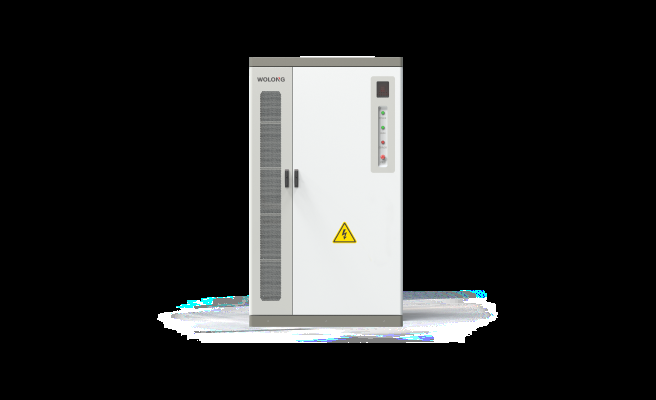
Our WL-ESS-100kW/241kWh-0.4kV commercial and industrial energy storage system adopts an all-in-one design that integrates the PCS and battery system into a single cabinet. The system uses liquid cooling to maintain optimal operating temperatures and improve reliability during long-term operation.
The system uses LFP/314Ah battery cells with a DC-side battery capacity of 241 kWh and a rated power of 100 kW. Its battery cooling method is liquid cooling, and the operating temperature range is -20°C to 50°C, with derating above 45°C. These specifications allow the system to adapt to different industrial environments while maintaining stable performance.
The intelligent liquid cooling design helps achieve balanced temperature distribution inside the battery system. Combined with modular architecture, the system can support flexible expansion and meet different project requirements.
Beyond thermal management, the system also incorporates multiple safety protection features. The design avoids battery parallel connections and uses multi-level protection strategies to improve operational safety. An intelligent monitoring platform supports efficient operation management, energy monitoring, and remote upgrades.
Improving Energy Storage Reliability Through Intelligent Design
Temperature consistency is only one part of a complete energy storage solution. Businesses also need systems that simplify installation, operation, and maintenance.
An integrated cabinet design reduces complexity during transportation and deployment because major components are assembled within one system. This approach can help shorten installation time and improve project efficiency.
For commercial users, intelligent monitoring is equally important. Real-time system information allows operators to better understand energy usage, identify potential issues, and optimize storage strategies. These capabilities make advanced C&I ESS solutions more suitable for modern energy management requirements.
Supporting the Future of Commercial Energy Storage
As renewable energy adoption increases, businesses need storage solutions that can handle variable energy sources while maintaining stable performance. Effective thermal management will continue to play a major role in improving battery safety, efficiency, and service life.
Liquid-cooled energy storage systems represent an important development direction because they combine precise temperature control with high energy density and intelligent management. For companies investing in long-term energy infrastructure, choosing a system with advanced cooling technology can help improve operational confidence.
We combine expertise in power electronics, energy storage technologies, manufacturing capabilities, and global service support to deliver reliable energy storage solutions. Backed by strong R&D capabilities, international certifications, and extensive industry experience, we at Wolong are committed to providing advanced liquid-cooled C&I ESS solutions that help customers achieve safer and more efficient energy management. Contact us to discuss how our energy storage systems can support your project goals.