


Green hydrogen depends on a reliable connection between renewable electricity generation and hydrogen production equipment. Solar and wind power can provide clean electricity, but their output changes according to weather conditions and time of day. Without effective energy management, fluctuations in renewable power availability can affect the consistency of hydrogen production.
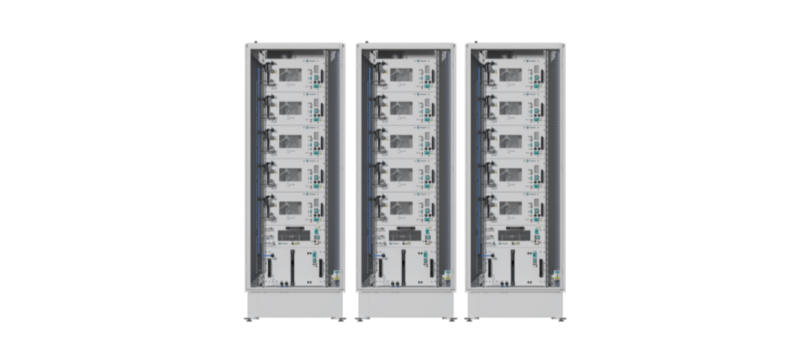
Energy storage provides a practical solution by creating a buffer between renewable generation and hydrogen demand. By storing excess electricity and releasing it when required, a hydrogen energy storage system helps improve the flexibility of green hydrogen projects and supports more efficient use of renewable resources.
The Relationship Between Renewable Electricity and Green Hydrogen
Green hydrogen is produced through electrolysis, a process that uses electricity to separate water into hydrogen and oxygen. When the electricity comes from renewable sources such as solar or wind power, the hydrogen produced has a lower carbon footprint compared with conventional hydrogen production methods.
However, renewable electricity generation does not always match hydrogen production requirements. Solar output may be highest during the day, while hydrogen facilities may need a more stable power supply for continuous operation.
This difference between renewable generation and energy demand creates the need for flexible energy management solutions that can balance supply and consumption.
How Energy Storage Supports Hydrogen Production
Hydrogen production systems require stable electricity input to maintain efficient operation. Sudden changes in renewable power output may affect equipment performance and reduce overall energy utilization.
Energy storage helps solve this challenge by storing electricity when renewable generation is higher than immediate demand. The stored energy can then be released during periods of lower renewable output, helping maintain a more consistent power supply.
Through a hydrogen energy storage system, renewable energy projects can improve the coordination between electricity generation and hydrogen production. This approach allows clean electricity to be used more effectively instead of being limited by generation timing.
The Role of Renewable Energy Storage in Green Hydrogen Projects
Renewable energy storage plays an important role in expanding the practical use of clean electricity. Since solar and wind resources naturally fluctuate, storage technologies help create a more balanced energy system.
In green hydrogen projects, storage provides additional flexibility by allowing operators to better manage renewable power availability. It helps reduce the impact of short-term fluctuations and supports more predictable hydrogen production schedules.
For companies investing in renewable energy storage, combining storage systems with hydrogen production can create a more integrated approach to renewable energy utilization.
Key Challenges in Renewable Hydrogen Development
Green hydrogen projects involve multiple technical considerations, including electricity supply stability, equipment efficiency, and overall system coordination.
One major challenge is maintaining consistent operation when renewable power output changes. Hydrogen production equipment performs best when supplied with suitable and reliable electricity conditions.
Energy storage can help address this challenge by improving power management between renewable sources and hydrogen production systems. It provides additional control over energy flows and helps projects adapt to changing renewable generation patterns.
How Our Energy Storage Solutions Support Hydrogen Applications
We provide energy storage solutions designed to support renewable energy applications and complex power management requirements. Our product portfolio includes ESS solutions that help customers improve energy flexibility across different scenarios.
By combining battery technology, intelligent monitoring, and integrated system design, our solutions help manage renewable electricity more effectively. This allows energy generated from renewable sources to be stored, controlled, and delivered according to project requirements.
For green hydrogen projects, efficient energy management is essential. Storage solutions can help improve renewable electricity utilization and provide additional flexibility for hydrogen production processes.
The Connection Between Battery Storage and Hydrogen Energy Systems
Battery storage and hydrogen production serve different functions within a renewable energy ecosystem. Battery systems can respond quickly to short-term changes in electricity supply, while hydrogen provides a pathway for longer-duration energy storage and utilization.
When combined, these technologies can improve the overall flexibility of renewable energy systems. Battery storage helps stabilize power availability, while hydrogen enables renewable electricity to support broader energy applications.
As clean energy development continues, integrated solutions involving renewable energy storage and hydrogen technologies will become increasingly important for improving energy system efficiency.
Energy Storage as a Link Between Renewable Power and Hydrogen Production
The success of green hydrogen projects depends on more than hydrogen production equipment alone. Effective coordination between renewable generation, storage systems, and hydrogen facilities is essential for achieving stable and efficient operation.
Energy storage creates a connection between variable renewable electricity and hydrogen production needs. By managing electricity availability, storage helps maximize renewable energy utilization and supports more flexible project operation.
This approach allows renewable electricity to contribute to hydrogen production even when generation conditions change throughout the day.
The Future of Renewable Hydrogen Integration
As renewable energy adoption expands, green hydrogen will become an important pathway for using clean electricity across different industries. However, successful development requires technologies that can manage the natural variability of renewable resources.
Energy storage provides the flexibility needed to connect renewable generation with hydrogen production more effectively. It supports better energy planning, improves resource utilization, and helps create more adaptable clean energy systems.
We develop energy storage solutions based on practical renewable energy challenges, focusing on system flexibility, reliable operation, and efficient energy management. With our experience in ESS technologies and renewable applications, Wolong works with customers to explore advanced solutions for renewable hydrogen and future energy projects. Contact us to discuss how our technologies can support your energy goals.