


An energy storage system is not a single piece of equipment but a coordinated network of components that manage electricity from storage to final application. Battery packs store energy, power conversion systems regulate electricity flow, and transformers adjust voltage levels to connect stored power with the grid or connected facilities.
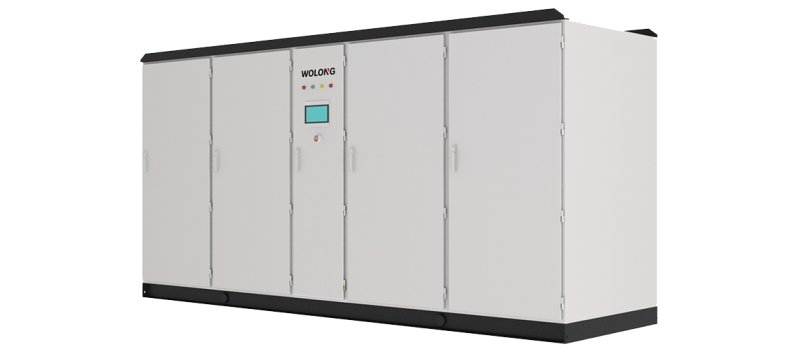
The performance of an ESS depends on how effectively these components operate together. A well-integrated system improves energy efficiency, safety, and operational stability across different applications. As renewable energy projects expand, combining reliable components with intelligent control becomes increasingly important for achieving flexible energy management.
The Battery Pack as the Core Energy Storage Unit
The battery pack is the foundation of an energy storage system. It contains multiple battery cells organized into modules and integrated with monitoring and protection functions to store and release electricity efficiently.
During charging, battery packs capture electricity from renewable sources or the grid. During discharging, they deliver stored energy when power demand increases or renewable generation decreases.
For large-scale applications, battery consistency and reliability directly influence system performance. Stable battery operation helps ensure that the entire ESS can respond effectively to changing energy requirements.
The Role of Battery Management Systems in ESS Operation
Battery management systems play an important role in monitoring and controlling battery performance. They track key parameters such as voltage, temperature, and operating conditions to maintain safe and efficient operation.
By collecting real-time information, these systems help balance battery cells and prevent abnormal conditions. This improves battery reliability and supports longer service life.
In modern storage projects, advanced management capabilities are essential because large numbers of battery cells must operate together under different charging and discharging conditions.
Power Conversion as the Bridge Between Storage and Electricity Use
Electricity stored in batteries cannot always be directly used by connected equipment or the grid. Power conversion systems help transform electricity between different forms to enable efficient energy transfer.
During charging, the system converts external electricity into a format suitable for battery storage. During discharging, it converts stored energy into usable electricity for external applications.
This conversion process allows ESS projects to support various scenarios, including renewable integration, peak demand management, and grid support.
The Importance of Transformers in Energy Storage Systems
After electricity is converted from battery output, transformers help adjust voltage levels according to grid or facility requirements. They provide the connection between the energy storage system and external electrical infrastructure.
Transformers are especially important in large-scale projects because stored electricity often needs to be transferred at higher voltage levels for efficient transmission.
Through proper voltage management, transformers help improve energy delivery efficiency and support stable operation of the complete ESS.
How Integrated Components Improve Renewable Energy Storage
Renewable energy sources such as solar and wind generate electricity according to natural conditions, creating challenges for maintaining consistent power availability.
By combining battery packs, power conversion systems, and transformers, energy storage projects can better manage renewable electricity. Excess power can be stored when generation is high and released when demand increases.
For projects focused on renewable energy storage, component integration is essential for improving energy utilization and creating a more flexible power system.
How Our ESS Solutions Connect Multiple Technologies
We provide ESS solutions designed around the complete energy storage process, from energy capture and battery management to power conversion and grid connection.
Our product portfolio includes key ESS components and integrated solutions that support different application scenarios. By coordinating battery systems, electrical equipment, and control technologies, we help customers build storage systems with reliable performance.
For advanced applications, including projects exploring hydrogen storage technology, efficient energy management and system integration are important factors in maximizing the value of renewable electricity.
The Relationship Between Energy Storage and Future Energy Systems
Energy storage technology is becoming a critical part of modern energy infrastructure. As renewable power generation increases, flexible systems are needed to balance supply and demand more effectively.
Battery-based storage provides fast response capabilities, while other energy technologies such as hydrogen storage can support longer-duration energy management. Together, these solutions create more options for managing renewable resources.
The development of hydrogen storage technology and battery-based ESS demonstrates the growing importance of integrated approaches to energy flexibility.
Choosing an ESS Partner with Complete System Understanding
Selecting an energy storage solution requires consideration of more than individual components. Battery performance, electrical integration, system control, and application requirements all influence long-term results.
A reliable ESS provider should understand how each component contributes to overall system performance. Proper integration helps reduce operational challenges and improves the efficiency of energy management.
As energy projects become more complex, complete system capabilities will become increasingly important for achieving reliable and scalable storage solutions.
Integrated ESS Components for More Flexible Energy Applications
The connection between battery packs, power conversion systems, and transformers determines how effectively an energy storage system can store, manage, and deliver electricity. Each component performs a specific function, but their combined operation creates the foundation of a complete ESS solution.
We focus on developing integrated energy storage solutions that connect advanced components with practical application requirements. With our expertise in ESS technologies, system integration, and renewable energy applications, Wolong supports customers in creating reliable energy systems for future power challenges. Contact us to explore how our solutions can support your next energy storage project.