


Deploying high-power electric vehicle chargers often triggers severe grid bottlenecks that stall regional infrastructure expansion. Traditional distribution networks cannot handle sudden megawatt-scale power draws without costly utility upgrades. Site developers must adopt localized power generation and intelligent buffering solutions to keep projects viable.
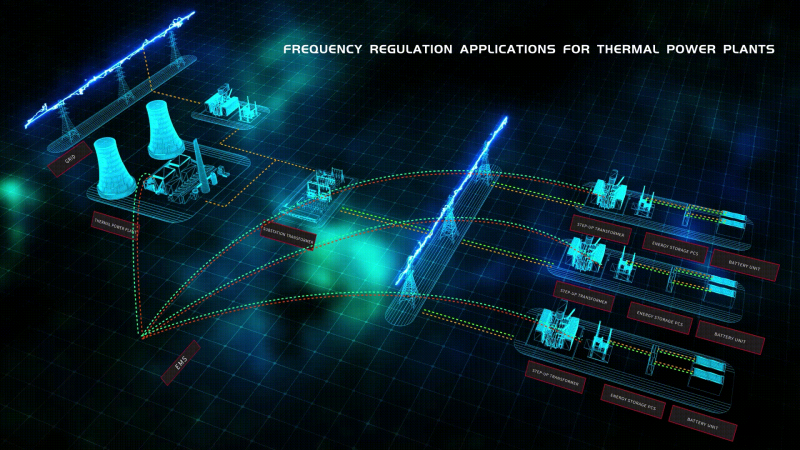
Addressing Grid Capacity Limits at Modern Charging Plazas
Ultra-fast chargers demand instantaneous surges that local distribution networks struggle to supply. Substation transformers overheat quickly when multiple heavy vehicles plug in simultaneously. Site developers frequently face prohibitive utility interconnection fees and delays. Bridging this capacity gap requires localized generation assets paired with intelligent buffering technology.
Traditional grid connections alone cannot economically sustain continuous high-kW surges at highway plazas. Demand charges scale aggressively based on peak consumption intervals, eroding profitability. Mitigating financial penalties demands smart power diversion away from peak hours. Our engineers at Wolong design specialized hardware architectures to decouple fast chargers from grid constraints.
Power electronics bridge intermittent generation sources with unpredictable vehicle charging loads seamlessly. Voltage fluctuations can damage sensitive battery management systems inside electric vehicles if conversion units lack regulation. Reliability depends on fast-response converters handling sudden step changes. Designing resilient hubs requires modeling local traffic patterns.
Integrating Photovoltaic Generation and Battery Buffers
Canopy-mounted photovoltaic arrays capture clean electrons directly above parking stalls to offset daily baseline energy draws. Solar production peaks during midday hours when charging demand might temporarily dip. Capturing surplus daytime generation requires deploying robust renewable energy battery storage right beside switchgear enclosures.
Chemistry selection dictates thermal stability and cycle longevity under heavy continuous cycling environments. Lithium iron phosphate cells dominate industrial applications due to superior safety profiles and high thermal thresholds. Integrating these advanced electrochemical cells ensures long operational lifespans despite demanding daily routines. Equipment footprints must remain compact.
Conversion efficiency directly influences total system economics over decades of continuous commercial operation. High-frequency bidirectional inverters minimize conversion losses during charging and discharging cycles. Facilities leverage commercial solar energy storage to absorb excess photovoltaic output before routing it into vehicle battery packs.
Optimizing Daily Power Flows Through Advanced Energy Management
Software intelligence orchestrates complex power flows between the grid, solar arrays, energy buffers, and vehicle stalls. Predictive algorithms analyze weather forecasts and historical traffic patterns to determine optimal charging and discharging schedules. Automated dispatch routines minimize utility reliance whenever local electricity tariffs reach daily maximums.
Dynamic pricing signals from regional electricity markets allow operators to arbitrage energy costs effectively throughout the year. Buying low-cost electricity overnight or during peak solar production builds a profitable operational buffer. We at Wolong integrate proprietary energy management platforms that automate these financial decisions without requiring manual oversight.
Grid support functions can also generate supplementary revenue streams through frequency regulation and ancillary service programs. Local utilities often compensate commercial operators willing to inject stored power back into unstable distribution circuits during emergencies. Balancing local load profiles transforms charging stations from passive consumers into active grid assets.
Engineering Site Resilience for Long-Term Fleet Expansion
Future-proofing electrical infrastructure prevents premature obsolescence as vehicle battery capacities and charging speeds grow rapidly. High-power megawatt-scale chargers require specialized thermal management systems to protect power electronic components from overheating. Upgrading site capability requires careful evaluation of regional climate conditions and maximum ambient operating temperatures.
Robust safety mechanisms, including aerosol fire suppression agents and liquid cooling loops, safeguard assets against catastrophic failure events. Regulatory compliance mandates strict adherence to local fire codes and National Electrical Code standards for outdoor installations. Meeting these rigorous safety criteria underpins long-term operational authorization from municipal authorities.
Investing in renewable energy battery storage secures reliable power availability even during unexpected regional blackouts or grid disruptions. Commercial fleets cannot afford operational downtime caused by local utility grid failures during critical delivery windows. Uninterruptible charging capabilities guarantee continuous fleet operations regardless of external network stability.
Accelerating Financial Returns Through Strategic Asset Sizing
Maximizing return on investment involves balancing initial capital expenditure against long-term operational savings achieved through peak shaving. Careful sizing ensures that commercial solar energy storage assets match actual site throughput profiles without overspending on excess capacity.
Successful implementation partnerships provide complete lifecycle support from initial feasibility studies through engineering design and maintenance. Technical collaboration guarantees optimized system integration tailored to specific regional utility rate structures and grid constraints. We at Wolong deliver comprehensive technological expertise that empowers developers to deploy scalable charging hubs successfully.
Strategic power management converts unpredictable renewable generation into a stable commercial asset. Modern charging hubs successfully reconcile surging electricity demand with constrained grid infrastructure realities, laying the groundwork for sustainable electric mobility corridors.