


Global power networks face unprecedented stress from surging electricity consumption. Industrial electrification, massive data center expansions, and electric vehicle adoption collide with rigid legacy transmission limits. Traditional generation assets struggle to ramp fast enough to match consumption fluctuations.
Operators urgently require enhanced responsiveness to maintain stable frequency margins across volatile zones. Bridging this widening supply-demand gap demands immediate integration of flexible balancing mechanisms into mainstream power planning.
System planners recognize that traditional line expansion projects cannot keep pace with exponential demand growth vectors. Administrative delays and capital constraints render purely physical wire solutions insufficient for modern grid challenges.
Power systems must pivot toward responsive assets that optimize existing transmission corridors dynamically. Unlocking high-value flexibility transforms constrained grids into resilient ecosystems capable of handling extreme spikes.
The Structural Drivers Behind Accelerating Grid Strain
Accelerating electrification trends push regional substations past historical thermal limits. Hyperscale computing facilities draw continuous multi-megawatt blocks that challenge local transformer health and distribution capacity.
Regional utilities find themselves trapped between rising decarbonization mandates and volatile peak consumption spikes. Managing extreme load volatility requires sophisticated balancing tools deployed directly on networks.
Generation intermittency from wind and solar farms compounds network strain during sudden weather events. Rapid drops in renewable output force grid operators to ramp up fossil-fuel peaker plants instantly to prevent outages.
Such reactive measures increase carbon emissions and expose wholesale markets to severe price volatility shocks. Modern planners rely on specialized energy storage solutions to capture surplus generation safely before curtailment occurs.
Transmission congestion restricts power movement from remote generation hubs to high-density urban consumption centers. Conductor thermal limits prevent operators from transmitting optimal power volumes during peak demand windows.
Upgrading these physical corridors involves multi-year permitting hurdles and astronomical capital expenditures. Implementing advanced energy storage technology bypasses physical wire constraints by localizing power supply near load centers.
Redefining Reliability Through Dynamic System Adaptability
Grid flexibility represents the absolute cornerstone of modern electrical engineering strategy in transitioning power markets. System reliability no longer depends solely on static generation reserves but on rapid, bidirectional power adjustments.
Network operators utilize automated software platforms to orchestrate thousands of distributed assets simultaneously during emergencies. Real-time telemetry ensures that power balance is maintained across every sub-transmission node without delay.
Flexible assets inject synthetic inertia and sub-second frequency regulation into destabilized regional grids. Traditional thermal generators lack the rapid ramp rates required to neutralize sudden voltage drops caused by load trips.
Electrochemical assets react within milliseconds, providing immediate corrective currents that safeguard sensitive industrial machinery upstream. Operational continuity relies on maintaining strict frequency harmonization across all connected distribution loops.
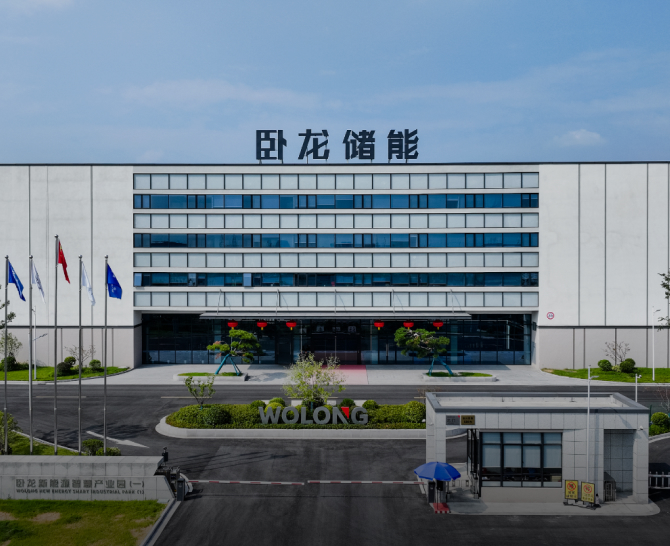
Our engineering teams at Wolong design power conversion architectures tailored for demanding grids. Equipment reliability remains paramount as stationary assets take on heavier balancing responsibilities within mainstream transmission networks.
Manufacturing robust hardware ensures that multi-megawatt installations withstand rigorous daily cycling without premature performance degradation. Collaborative industry partnerships accelerate the deployment of agile power assets across competitive international markets.
Deploying Advanced Buffers to Neutralize Volatility
Strategic asset placement optimizes the congestion-relief benefits of localized electrochemical generation buffers. Placing battery modules near high-density renewable clusters or constrained industrial loads minimizes line loss significantly.
Regional utilities leverage diverse energy storage solutions to smooth out jagged net load profiles throughout the day. Careful spatial planning ensures that every megawatt-hour deployed delivers maximum utility value under stringent operational rules.
Developers evaluate C-rates, round-trip efficiency, and physical footprint constraints concurrently during early design phases. Advanced liquid-cooled enclosures protect internal cells from extreme ambient temperatures, maximizing continuous power output during peak thermal loads.
Operational efficiency relies heavily on maintaining optimal operating temperatures across every integrated battery rack enclosure. Rigorous factory testing guarantees flawless performance in the field before final grid synchronization occurs.
Continuous technological innovation drives down capital costs while expanding the operational duration of modern electrochemical assets. Emerging chemistry variations and iron-air systems provide cost-effective alternatives for multi-day energy storage requirements.
Integrating versatile energy storage technology empowers operators to shift renewable generation across extended time horizons. Market participants capitalize on arbitrage opportunities by discharging stored electricity during high-tariff evening windows.
Economic Imperatives of Flexible Power Architecture
Capital allocation strategies within the energy sector increasingly favor flexible assets that offer diversified revenue stacking capabilities. Investors look favorably on projects equipped with intelligent energy management systems capable of participating in multiple markets.
Revenue shortens payback periods and provides a robust financial hedge against fluctuating energy spot prices. Strategic deployment enhances project bankability across competitive regional power markets worldwide.
Dedicated technical support at Wolong provides comprehensive assistance for industrial and utility deployments. Detailed site modeling simulates computational and electrical load behaviors accurately before physical installation work commences on site.
Our manufacturing facilities produce robust systems engineered for intense daily cycling and harsh environmental conditions. Every integrated unit undergoes strict testing to guarantee flawless field reliability under all operating scenarios.
Policy and Market Foundations for Grid Flexibility
Regulatory frameworks must evolve to properly compensate flexibility providers for essential grid services. Clear market rules incentivize private capital investment in decentralized balancing assets rather than relying solely on legacy peakers.
Industry stakeholders at Wolong collaborate actively with regulatory bodies to shape forward-thinking interconnection policies. Sustainable power systems require a harmonious blend of supportive policy, advanced energy storage solutions, and robust engineering.
Modern digital infrastructure relies on flexible energy assets that adapt dynamically to evolving regulations. Selecting optimal energy storage technology maximizes return on investment throughout the multi-decade facility lifecycle.
Modern power grids require continuous evolution to navigate complex supply and demand imbalances safely during extreme events. Embracing agile power architectures paves the path toward a resilient, secure, and fully decarbonized electrical future.