


Manufacturing zones face rising electricity tariffs and severe grid interconnection restrictions across major global industrial markets today. Heavy machinery operations demand constant power, while corporate sustainability mandates require aggressive carbon reduction strategies across all production phases.
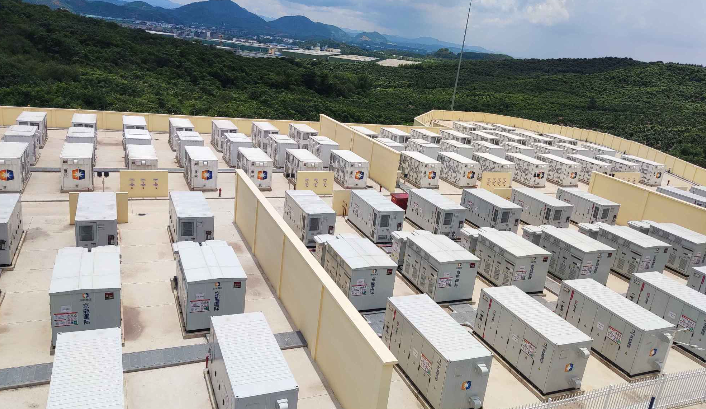
Combining photovoltaic generation, electrochemical storage, and vehicle charging creates a self-sustaining microgrid ecosystem directly on factory grounds. Industrial parks possess the exact structural layout required to make this multi-technology integration highly profitable and operationally seamless. Facility managers increasingly recognize that decentralizing power generation protects industrial bottom lines against sudden utility rate spikes.
Rethinking Manufacturing Infrastructure Through Local Energy Integration
Factories historically consumed electricity passively from regional transmission networks without managing internal generation assets or balancing local loads. Modern industrial operators now face unprecedented peak demand charges that erode profit margins on core production lines.
Decentralized microgrids change this dynamic by generating and consuming clean electrons right at the point of industrial use. Industrial properties offer expansive physical environments where collaboration with an established energy storage system manufacturer streamlines multi-technology implementation.
Operators seeking long-term operational resilience must abandon fragmented approaches to facility energy management. Co-locating clean generation assets alongside advanced storage blocks eliminates administrative friction across operational departments.
Facility directors at Wolong evaluate plant layouts carefully to maximize internal energy self-consumption rates before exporting power externally. Unified infrastructure design ensures seamless power flows between daytime solar production and heavy industrial machinery requirements.
Industrial microgrids transform isolated production facilities into resilient nodes capable of withstanding external energy market shocks and sudden regional blackouts.
Matching Expansive Rooftop Real Estate With High Solar Yields
Factory rooftops provide acres of unobstructed surface area perfectly suited for large-scale photovoltaic installations. Vast flat roofs capture maximum daily irradiation without requiring expensive land acquisitions or complex zoning approvals from municipal planners.
Generating clean electricity directly above production floors offsets baseline facility loads instantly during long daylight hours. Unused square footage transforms into a highly productive revenue generator overnight for forward-thinking manufacturing enterprises.
Surplus midday generation frequently exceeds baseline plant consumption during seasonal holiday periods or scheduled factory maintenance windows. Capturing this excess clean power requires deploying reliable renewable energy battery storage units near main distribution transformers.
Storing daytime generation prevents utility curtailment and provides cheap electricity for subsequent evening manufacturing operations. Maximizing rooftop productivity directly accelerates project payback timelines for heavy manufacturing enterprises worldwide.
Scaling local solar capacities reduces corporate carbon footprints while establishing predictable long-term energy expenditure baselines. Reliable electrochemical buffers capture every available watt of solar energy without wasting valuable generation potential.
Mitigating Heavy Grid Constraints via Advanced Buffering Technology
Substation transformers inside older industrial districts struggle to support sudden, high-magnitude power draws from heavy industrial machinery. Upgrading regional transmission infrastructure demands millions of dollars and multi-year regulatory approval cycles from local utilities.
Strategic energy buffering allows facilities to expand operations without triggering expensive local grid upgrades. Industrial parks benefit enormously from localized power smoothing capabilities during peak production hours.
Peak shaving algorithms suppress expensive utility demand charges by discharging stored energy during high-tariff operational windows. Industrial equipment startups draw massive instantaneous currents that can trip local distribution protection relays without warning.
Intelligent power conversion systems bridge these transient deficits smoothly and protect sensitive manufacturing equipment from damage. Selecting an experienced energy storage system manufacturer guarantees reliable hardware performance under harsh industrial operating conditions.
Continuous voltage regulation prevents production line shutdowns caused by sudden grid instability or regional transmission faults. Robust hardware engineering ensures continuous operational uptime across multi-shift factory schedules.
Electrifying Commercial Fleets Without Triggering Substation Overloads
Logistics hubs and distribution centers operating inside manufacturing parks are rapidly transitioning to electric commercial transport fleets. Heavy delivery trucks and utility vans require massive amounts of electrical energy delivered within very short windows.
Simultaneous overnight or midday fleet charging pushes local distribution transformers past their thermal design limits. Integrating high-power charging plazas with onsite storage prevents devastating facility brownouts across the site.
Fleet operators cannot afford operational downtime caused by local utility grid failures or sudden capacity restrictions. Stored electrical reserves guarantee uninterrupted vehicle charging regardless of broader regional network stability issues.
Our technical team at Wolong designs robust charging architectures tailored specifically for heavy commercial transport depots. Seamless fleet electrification ensures uninterrupted supply chain execution for modern industrial businesses operating globally.
Clean transport integration fulfills ambitious corporate ESG commitments without compromising daily logistics efficiency. Zero-emission vehicle adoption proceeds smoothly when supported by dedicated localized battery buffers.
Accelerating Return on Investment Through Intelligent Asset Management
Financial viability depends heavily on capturing multiple revenue streams through automated software dispatch platforms. Software intelligence orchestrates power flows between solar arrays, battery blocks, chargers, and local grid connections continuously.
Automated arbitrage routines buy low-cost electricity during overnight hours or export surplus power during peak pricing spikes. Intelligent asset management transforms energy systems from passive cost centers into active profit generators.
Capital expenditures required for multi-technology integration return attractive yields when systems are optimized correctly. Corporations partnering with Wolong secure comprehensive technical support from initial feasibility studies through ongoing maintenance.
Strategic asset sizing ensures that deployed infrastructure matches actual site throughput profiles without overspending on excess capacity. Modern industrial enterprises embracing integrated microgrids powered by renewable energy battery storage position themselves advantageously for future market shifts.
Comprehensive lifecycle support guarantees long-term financial predictability across demanding operational lifecycles. Profitable clean energy deployment anchors modern industrial parks firmly at the forefront of sustainable global manufacturing.