


Rapid growth in electric vehicle adoption forces charging station operators to deploy ultra-high-power infrastructure capable of rapid energy replenishments. Simultaneous fast-charging sessions create massive, erratic power draws that strain local utility distribution networks beyond design limits.
Regional grid operators face frequent thermal overloads, voltage sags, and costly capacity upgrade mandates unless new mitigation strategies are adopted quickly across major metropolitan transport corridors.
When designing these high-demand charging plazas, our engineering teams at Wolong focus on solving complex grid capacity hurdles without triggering extensive infrastructure overhauls.
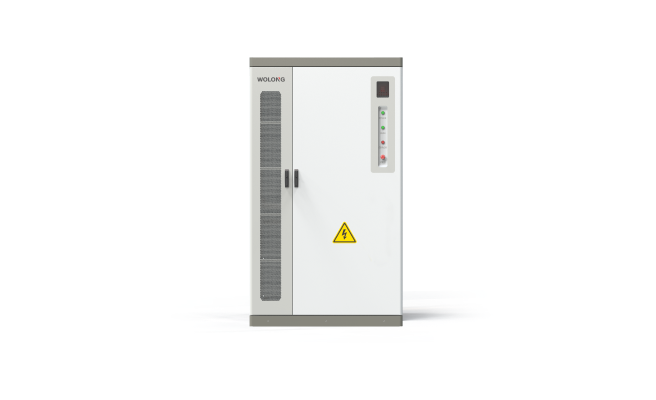
Collocating electrochemical storage at charging stations decouples peak vehicle demand from underlying utility feed capacity completely. Power flows smoothly from local buffers rather than hammering the main distribution feeder during peak highway travel hours.
The Grid Impact of Ultra-Fast EV Charging
High-power DC fast chargers demand hundreds of kilowatts per vehicle port during active charging cycles. Multiple vehicles plugging in simultaneously trigger instantaneous load spikes that overwhelm legacy distribution transformers and local substations.
Upgrading local utility infrastructure to support these spikes requires millions of dollars in capital expenditure and years of regulatory delays. Facility managers need immediate alternatives to bypass these costly bottlenecks.
Engineers must evaluate thermal limits and voltage regulation bounds before connecting multi-megawatt charging plazas to existing feeders. Sprawling commercial corridors lack the transmission headroom needed to support unbuffered ultra-fast charging architectures reliably.
Without local intervention, regional utilities are forced to curtail charging speeds during peak hours to prevent substation failures. Facility planners must carefully account for renewable energy battery storage deployment early in the site engineering phase to secure critical grid interconnection approvals smoothly.
Peak Demand Spikes and Substation Capacity Limits
Utility rate structures penalize commercial facilities heavily for high monthly peak power draws. Charging plazas operating without local buffers absorb punitive demand charges that destroy project profitability entirely.
Network planners must find alternative ways to cap maximum grid import power without slowing down vehicle throughput rates or compromising driver satisfaction. Operational budgets rely heavily on proactive shaving techniques.
Fixed distribution capacity limits restrict how many vehicles can connect simultaneously at any given station location. Exceeding these thresholds triggers automated utility curtailment or expensive tariff penalties that erode operating margins. Incorporating industrial battery storage into initial master plans helps site developers bypass severe electrical capacity ceilings without delay or administrative friction.
How Electrochemical Buffers Relieve Distribution Stress
Stationary storage systems act as vital shock absorbers between the municipal grid and high-speed vehicle chargers. Batteries trickle-charge steadily from the grid during low-demand night hours or periods of surplus solar generation. When multiple electric vehicles connect at noon, stored energy discharges instantly to meet total power demand reliably.
At Wolong, our power conversion systems respond within milliseconds to dynamic load fluctuations across the site. Rapid response capabilities prevent transient voltage sags and harmonic distortions from propagating backward into regional distribution circuits. Substation operators benefit from flattened load curves that eliminate peak thermal stress on aging copper windings during high-stress operational cycles.
Optimizing Charging Economics Through Localized Storage
Commercial charging station operators balance thin margins driven by volatile electricity tariffs and high demand charges. Deploying localized industrial battery storage allows businesses to avoid purchasing expensive grid power during peak pricing hours. Stored energy acts as a financial hedge, shielding operations from sudden retail electricity price spikes across regional markets.
Smart energy management systems monitor local grid pricing signals and vehicle traffic patterns in real time automatically. Software algorithms determine the optimal moment to draw power from the grid versus discharging stored kilowatt-hours. Enterprise financial models prove that localized energy buffers significantly shorten the capital payback period for commercial fast-charging infrastructure investments.
Protecting Transformer Assets and Infrastructure Longevity
Transformers degrade rapidly when subjected to repetitive thermal cycling caused by sudden, heavy electrical loads. Substation equipment operates closer to its thermal threshold, shortening operational lifespans across aging utility networks. Deploying robust renewable energy battery storage prevents extreme thermal stress by capping maximum grid current draw strictly.
Utilities welcome charging station designs incorporating local buffering because they eliminate the need for emergency transformer replacements. Reduced thermal stress translates into lower maintenance costs and dramatically extended hardware lifespans for substation components. Protecting core electrical infrastructure ensures long-term operational reliability across municipal distribution grids without interruption.
Future-Proofing Electrified Transportation Corridors
Transport electrification trends point toward heavier commercial fleets, electric trucks, and higher vehicle charging speeds globally. Future charging hubs will require megawatt-scale power inputs that legacy distribution networks simply cannot support safely. Integrating advanced industrial battery storage provides the modular scalability needed to handle future fleet expansion effortlessly.
Scaling up power capacity becomes a matter of adding modular battery blocks rather than waiting for utility grid upgrades. Strategic site design ensures that charging station operators remain independent of slow-moving transmission infrastructure development schedules. At Wolong, we provide the reliable hardware foundation required to keep transportation networks moving forward efficiently.
Deploying supplementary renewable energy battery storage blocks further ensures that operators capture maximum clean generation value during sunny afternoon operating windows.