


Factory automation lines draw immense, erratic power loads that overwhelm legacy plant substations during shift changes and concurrent robotic movements. Facility directors struggle to balance high throughput demands against skyrocketing utility demand penalties and strict grid capacity ceilings.
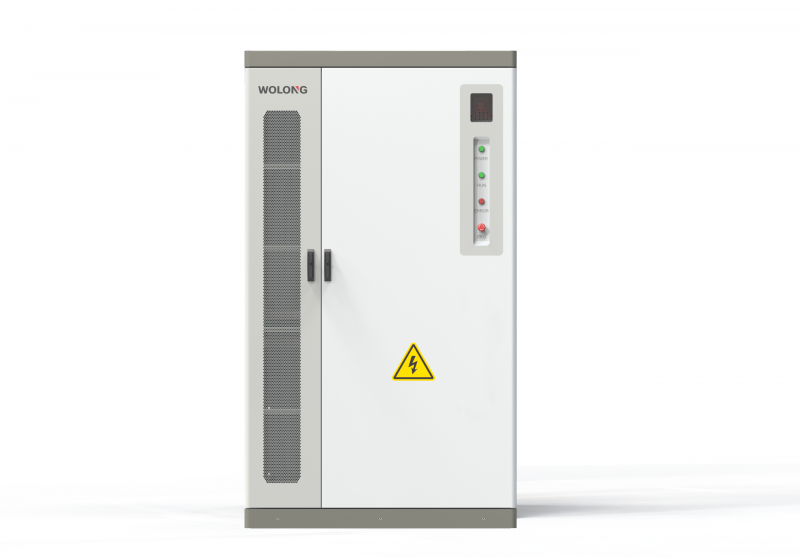
Integrating localized energy buffers offers a viable pathway to support aggressive automation expansion without triggering costly infrastructure overhauls across the campus and manufacturing complex. Addressing these evolving power constraints requires a sophisticated understanding of facility load profiles and real-time grid interaction dynamics.
Heavy machinery startup cycles create severe voltage sags that ripple through plant distribution networks and disrupt sensitive digital controls. When automated lines ramp up simultaneously, local grid voltage dips trigger unexpected equipment faults and assembly line shutdowns.
Plant operators working with us at Wolong often resolve these power quality headaches by installing an industrial energy storage system right beside the main production floor. These localized buffers absorb rapid load transients instantly, shielding precision robotics from electrical noise and brownouts.
Managing Sudden Load Spikes in Automated Production
Robotic arms, high-speed conveyors, and laser welding cells create violent power fluctuations that standard plant transformers struggle to absorb smoothly. Rapid current draws create localized voltage drops that trigger automated fault shutdowns across adjacent manufacturing lines.
Plant engineers must map precise transient load envelopes before selecting appropriate buffering hardware for heavy production environments and high-speed robotic cells during peak hours.
Deploying a robust C&I ESS directly downstream of the main breaker isolates sensitive manufacturing zones from severe grid disturbances. Stored electrical energy discharges within milliseconds to maintain strict voltage stability when heavy machinery initiates movement cycles simultaneously.
Operational continuity improves dramatically once erratic transient spikes are absorbed locally by dedicated battery buffers across the facility grid layout.
Transient voltage sags frequently corrupt sensitive programmable logic controllers, leading to costly scrap materials and unplanned line stoppages. Mitigating these electrical risks requires ultra-fast response times that conventional diesel backup generators fail to deliver during micro-interruptions.
Intelligent battery inverters bridge power gaps seamlessly, ensuring that automated tooling maintains constant synchronization through every single operational cycle without data loss or controller reset sequences. Without robust buffering, micro-sags accumulate over time to degrade sensitive electronic components prematurely.
Peak Shaving and Demand Charge Mitigation
Utility billing structures penalize manufacturing facilities heavily for short, sharp spikes in peak electricity demand during standard production shifts. Monthly demand charges often account for half of total utility overhead, cutting deeply into profit margins across competitive industrial sectors.
Facility operators utilize intelligent dispatch software to shave these costly peak demand values using stored battery power automatically throughout the working day.
Automated algorithms monitor real-time facility consumption, commanding the battery bank to discharge whenever total plant load approaches predefined threshold limits. Implementing a reliable industrial energy storage system transforms erratic power consumption into a flat, predictable load profile.
Lowering peak demand creates immediate, recurring financial savings that amortize initial capital expenditures rapidly over intensive operating cycles and seasonal shifts.
Energy arbitrage strategies further optimize operating budgets by storing low-cost off-peak electricity for deployment during expensive daytime tariff periods. Plant controllers coordinate charging windows with regional wholesale pricing signals to maximize financial returns throughout the annual billing calendar.
Strategic cost management turns basic backup assets into proactive profit centers for forward-thinking manufacturing enterprises worldwide today.
Integrating Behind-the-Meter Hardware Safely
Factory floors lack luxury space, making physical footprint optimization a primary engineering priority during behind-the-meter equipment placement design reviews. Modular containerized units fit neatly into narrow outdoor alcoves or unused perimeter zones without disrupting material handling routes.
Safety compliance remains paramount when housing high-voltage lithium chemistry near active personnel and automated machinery corridors daily without creating operational hazards.
Our engineering group at Wolong ensures that every deployed enclosure meets stringent fire safety and structural integrity codes. Advanced thermal management architectures protect battery cells from ambient factory heat, dust, and severe industrial vibration typical of heavy manufacturing zones.
Comprehensive safety integration safeguards factory workers while maintaining continuous, uninterrupted commercial operations across multi-shift production schedules without unexpected downtime.
Future-Proofing Factory Infrastructure
Scaling automated production lines traditionally required multi-year utility upgrade studies and massive capital investments in heavy transmission infrastructure. Energy storage bypasses these bureaucratic delays, enabling rapid capacity expansion without waiting for utility grid reinforcements.
Plant planners gain unprecedented agility to scale robotics and welding capacity whenever market demand accelerates globally across competitive markets and expanding industrial sectors.
Deploying an advanced C&I ESS future-proofs industrial operations against rising utility tariffs and tightening carbon reduction regulations worldwide. Collaborative engineering partnerships give plant operators access to tailored guidance that aligns hardware capability with long-term business goals.
Strategic energy planning turns electrical constraints into a powerful competitive advantage for modern automated manufacturing facilities everywhere in the global economy.
Building a Flexible Power Foundation for Automated Manufacturing
Modern manufacturing demands robust power infrastructure enhanced by an industrial energy storage system capable of sustaining aggressive automation without triggering utility penalties completely.
Careful load mapping, smart peak shaving, and modular hardware integration solve the core electrical challenges facing growing industrial plants.Forward-thinking facility leaders continue adopting flexible energy assets to secure long-term operational resilience and financial stability.
When you collaborate with Wolong, sustainable manufacturing success hinges on mastering localized power management before grid limitations restrict future growth. Implementing a robust C&I ESS completes the modern automated factory blueprint by bridging legacy electrical limits with futuristic operational demands. Absolute reliability, cost control, and seamless scalability define the ultimate destination for progressive industrial enterprises navigating complex energy markets.