


Project teams frequently encounter severe communication faults when assembling multi-vendor hardware on site. Mismatched protocols between inverters, battery management systems, and plant controllers trigger unexpected system shutdowns.
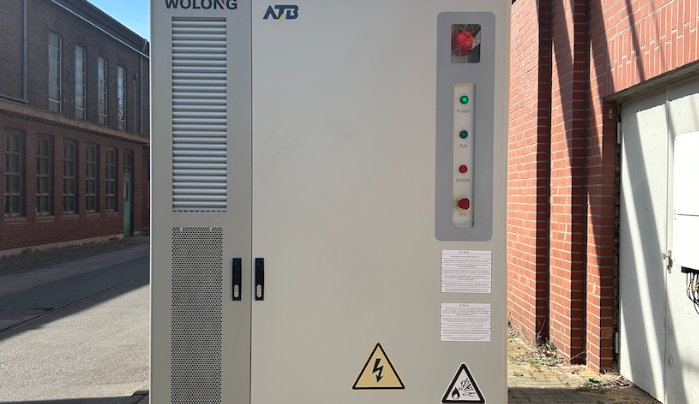
Bridging disparate subsystems demands expensive adapters that inflate capital expenditures. Industrial developers must prioritize protocol alignment before construction begins to avoid costly delays.
The Hidden Interoperability Traps of Custom Hardware Engineering
Proprietary firmware locks facility operators into rigid supply chains, restricting future hardware upgrades. Purchasing custom components from isolated vendors creates severe maintenance blind spots during emergency repairs. Technicians waste valuable hours diagnosing translation errors between legacy controllers and modern storage racks. Fragmented architectures drive up total cost of ownership across the operational lifecycle.
Selecting equipment from a trusted energy storage system manufacturer helps eliminate proprietary silos completely. Standardized physical and digital touchpoints ensure smooth data transmission across disparate subassemblies without custom middleware. Engineering teams save hundreds of design hours by adopting pre-validated interface standards during preliminary planning. Equipment compatibility safeguards operational continuity during peak dispatch windows.
At Wolong, we frequently advise clients on how avoiding custom interface traps protects long-term project margins. Standardized hardware blocks prevent unexpected software translation failures during critical grid service events. Industrial operators gain immense peace of mind when auxiliary components communicate seamlessly from day one. Proper planning eliminates expensive field modifications across diverse operating conditions.
Streamlining Communication Protocols Through Open Software Layers
Modbus, CANopen, and IEC 61850 protocols form the bedrock of reliable telemetry exchange within modern microgrids. Universal software languages allow supervisory control systems to poll thousands of individual cell temperatures instantaneously. Raw operational metrics flow directly into central dashboards without translation errors or packet loss. Real-time data visibility empowers operators to maintain strict thermal equilibrium.
Advanced renewable energy battery storage facilities demand instantaneous data feedback loops to maintain optimal performance. Standardized application programming interfaces empower cloud-based energy management systems to optimize charging schedules dynamically. Facility operators maximize wholesale market revenue when software layers communicate without latency or protocol conflicts. Digital harmonization eliminates recurring communication faults during peak generation intervals.
Software alignment reduces administrative burdens on maintenance staff significantly. Centralized diagnostic platforms monitor thousands of data points simultaneously, flagging minor anomalies before they escalate into major outages. Upgrading supervisory software across a standardized fleet takes minutes instead of requiring individual site visits. Enterprise managers leverage these software synergies to optimize labor efficiency.
Ensuring Physical and Electrical Interface Alignment
Mechanical connector compatibility remains just as critical as software protocol harmonization during high-density installations. Standardized busbars and plug-and-play DC cabling reduce manual wiring errors during tight construction schedules. Field technicians complete rack integration rapidly when physical connection points follow strict international dimensional tolerances. Structural alignment minimizes mechanical stress on internal busbar connections.
Working with an established energy storage system manufacturer guarantees that physical terminals match standard industrial racking layouts precisely. Factory-tested physical interfaces protect asset reliability throughout decades of continuous commercial operation. Rigorous mechanical pre-validation prevents costly field modifications during final site commissioning phases. Standardized physical footprints streamline heavy equipment placement.
Our technical teams at Wolong design every plug-in terminal to simplify on-site cabling and prevent high-resistance contact faults. Standardized mechanical interfaces protect internal electrical pathways from excessive thermal stress during heavy load cycles. Field crews appreciate straightforward installation steps that eliminate guesswork on challenging construction sites. Robust physical compatibility underpins structural integrity.
Leveraging Manufacturer Expertise for Seamless Integration
Complex utility-scale installations require deep technical collaboration between developers and equipment vendors from the outset. Engineering consultants evaluate site-specific impedance characteristics to recommend optimal electrical configurations for every deployment. Early vendor engagement prevents costly mismatch errors between medium-voltage transformers and power conversion units. Strategic alignment ensures that auxiliary systems function harmoniously.
Modern renewable energy battery storage deployment relies heavily on comprehensive factory acceptance testing before equipment ships. Rigorous quality audits catch minor communication glitches in controlled environments rather than on remote project sites.
Pre-validated factory integration shaves weeks off total construction schedules and minimizes on-site liability risks. Institutional investors value predictable delivery timelines.
Collaborative partnerships provide ongoing technical support that extends far beyond initial commercial commissioning milestones. Expert vendors offer continuous firmware updates and proactive monitoring consultations to maximize asset uptime.
Industrial buyers benefit from decades of specialized manufacturing experience when troubleshooting unexpected grid anomalies. Strong manufacturer relationships form the backbone of sustainable long-term operations.
Scaling Multi-Site Portfolios With Unified Infrastructure
Multi-site portfolio management requires uniform hardware configurations to keep replacement part inventories economically viable. Maintenance warehouses cannot stock distinct proprietary components for every regional facility without inflating operating expenses.
Standardized component footprints allow technicians to service any site within the corporate network seamlessly. Fleet-wide operational synergies reduce mean time to repair significantly.
Partnering with a reliable energy storage system manufacturer guarantees long-term component availability and backward compatibility across generations. Enterprise buyers expanding deployment footprints require absolute assurance that future additions integrate smoothly with existing assets.
We at Wolong support growing corporate portfolios by maintaining strict adherence to universal interface benchmarks across all product lines. Supply chain stability protects capital investments.
Unified hardware ecosystems protect institutional investors against sudden supply chain disruptions and vendor bankruptcy risks. Open interface standards empower plant owners to scale capacity freely without being bound to a single hardware provider.
Strategic procurement decisions grounded in interface standardization secure long-term operational profitability and asset resilience. Enterprise stakeholders achieve greater bargaining power through interoperable equipment.
Deploying advanced renewable energy battery storage infrastructure demands a decisive shift toward open, modular design philosophies. Unified connectivity transforms complex multi-vendor deployments into predictable, high-performing assets capable of sustaining clean energy demands for decades.
Lasting financial success depends entirely on eliminating proprietary barriers through disciplined engineering standards. Enterprise buyers embracing open protocols lay the groundwork for intelligent, scalable microgrid expansions.