


The rapid growth of solar and wind power has transformed the global energy landscape, but renewable generation alone cannot guarantee a stable and reliable electricity supply. Since renewable resources depend on weather conditions, energy production often fluctuates throughout the day. To overcome this challenge, businesses, utilities, and project developers are increasingly investing in renewable energy storage solutions that improve energy utilization and grid reliability.
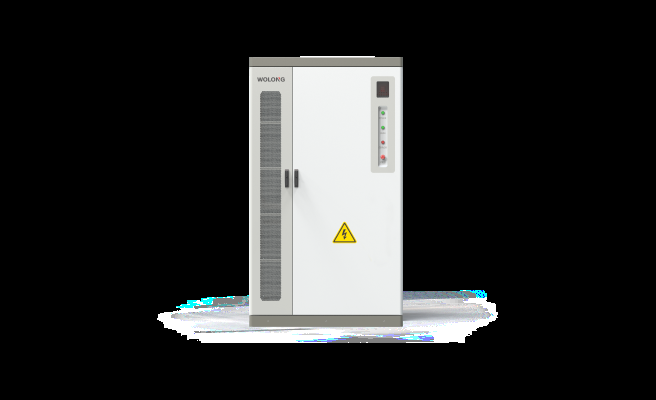
As Wolong, we understand that every renewable project has unique technical and operational requirements. Building an effective energy storage system is not simply about selecting batteries—it requires choosing the right products, system architecture, and intelligent energy management solution. By combining the appropriate technologies, renewable energy projects can achieve greater efficiency, flexibility, and long-term value.
Why Renewable Energy Storage Is Essential
Renewable power generation rarely matches electricity demand perfectly. Solar plants generate the most energy during the day, while electricity demand often peaks in the evening. Wind farms also experience varying production depending on weather conditions.
A well-designed renewable energy storage system captures excess electricity when renewable generation exceeds demand and releases it when additional power is needed. This process helps improve renewable energy utilization, reduce energy curtailment, and provide a more stable power supply for both commercial users and utility networks.
Beyond improving reliability, energy storage also supports peak shaving, load shifting, backup power, and greater energy independence, making it an essential component of modern clean energy infrastructure.
Core Products for Renewable Energy Storage Systems
Every successful renewable energy project begins with selecting products that work together as an integrated system rather than as independent components.
Battery systems form the heart of the solution by storing excess electricity and supplying power whenever renewable generation decreases. Depending on project requirements, battery capacity and configuration can be optimized for commercial facilities, industrial operations, or utility-scale applications.
Power conversion systems enable efficient bidirectional energy flow between batteries, renewable generation equipment, and the electrical grid. These systems ensure stable charging and discharging while maximizing overall system efficiency.
Battery management systems continuously monitor battery status, helping maintain safe operation, balanced performance, and long service life. At the same time, energy management systems coordinate battery operation with renewable generation and electricity demand to achieve intelligent system optimization.
Choosing the Right Renewable Energy Battery Storage Solution
Selecting the appropriate renewable energy battery storage solution depends on the project's objectives rather than simply choosing the largest battery available.
For commercial and industrial facilities, battery storage is often used to reduce electricity costs through peak demand management and increased self-consumption of rooftop solar generation. Compact integrated systems are typically preferred because they simplify installation while allowing future capacity expansion.
For renewable energy plants and utility operators, larger containerized battery systems provide the flexibility needed to support grid stability, renewable integration, and energy dispatch. These projects require scalable designs capable of operating reliably under continuously changing grid conditions.
Understanding the operational goals at the beginning of the project helps ensure that battery capacity, system configuration, and control strategies are properly aligned.
Matching Products with Different Project Scenarios
Different renewable applications require different storage solutions.
Commercial buildings, factories, logistics centers, and business parks usually prioritize reducing electricity expenses while improving energy resilience. In these environments, battery systems are designed to optimize energy consumption and provide reliable backup power when necessary.
Solar farms and wind power projects focus on maximizing renewable energy utilization while minimizing energy curtailment. Here, renewable energy storage enables operators to store surplus electricity during periods of high generation and deliver power when production decreases or electricity demand increases.
Microgrids present another important application. By combining renewable generation with battery storage and intelligent control systems, microgrids can maintain stable operation even when disconnected from the main utility network, improving energy security for remote communities, industrial facilities, and critical infrastructure.
Key Factors When Designing a Renewable Energy Storage System
Successful system design requires balancing technical performance, operational efficiency, and long-term investment value.
The first consideration is battery capacity. Oversized systems increase investment costs, while undersized systems may fail to meet operational requirements. Accurate load analysis and renewable generation forecasting help determine the appropriate storage capacity.
Safety is equally important. Modern battery storage systems incorporate advanced battery management, thermal management, and multiple protection mechanisms to ensure stable operation throughout the system lifecycle.
Scalability should also be considered during the initial design phase. As renewable generation expands or electricity demand grows, modular system architecture allows additional battery capacity to be added without replacing the original installation.
Finally, intelligent monitoring and remote management improve operational efficiency by providing real-time performance data, predictive maintenance capabilities, and faster fault diagnosis.
Building Long-Term Value Through System Integration
The effectiveness of an energy storage project depends not only on individual products but also on how well every component works together.
A fully integrated solution combines batteries, power conversion equipment, battery management, energy management, and monitoring platforms into one coordinated system. This integrated approach improves efficiency, simplifies operation, and enhances overall reliability throughout the project's lifetime.
At Wolong, we focus on delivering complete energy storage solutions that support commercial facilities, industrial operations, renewable energy plants, and utility-scale applications. By integrating advanced technologies into a unified platform, we help customers maximize renewable energy utilization while improving operational performance and investment returns.
Conclusion
Building an effective renewable energy storage system requires much more than selecting a battery. The right products, intelligent system integration, and carefully planned architecture all contribute to long-term project success.
Whether the objective is lowering electricity costs for commercial facilities or increasing renewable energy utilization across large-scale power projects, selecting the appropriate renewable energy battery storage solution creates a strong foundation for future growth. At Wolong, we remain committed to helping customers build dependable energy storage systems that support the transition toward a cleaner and more sustainable energy future.