


The global energy landscape is undergoing a major transformation as renewable energy, grid modernization, and electrification continue to accelerate. Battery storage has become a key technology for solving renewable intermittency, improving grid flexibility, and supporting reliable power supply. Recent market growth shows that storage is moving from a supporting role into a core component of future energy infrastructure.
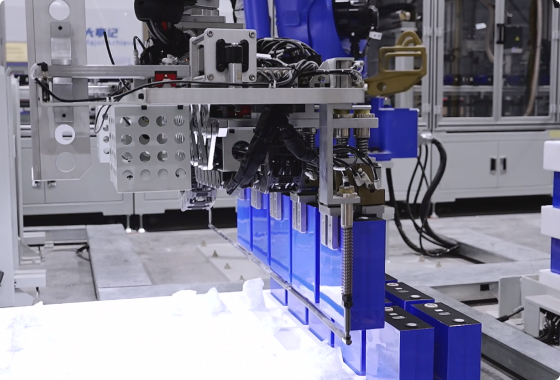
In order to maximise the use of renewable energy sources, improve grid stability, and balance power generation, these systems are quickly becoming essential. Demand for large-scale energy storage systems is on the rise due to the increasing clean energy portfolios of utilities and renewable developers. In order to maximize the use of renewable energy sources, improve grid stability, and balance power generation, these systems are quickly becoming essential.
Key Factors Driving Utility-Scale ESS Development
The growth of renewable energy is one of the biggest factors accelerating battery storage deployment. Solar and wind resources generate electricity according to natural conditions, while electricity demand often follows different patterns. Storage provides the flexibility needed to bridge this gap.
Today, large-scale energy storage systems are being deployed for applications including frequency regulation, peak shifting, renewable integration, and grid support. Utility operators increasingly recognize that battery storage can provide multiple services simultaneously, improving both technical performance and economic value.
We see the industry moving toward larger capacities, longer operating durations, and more intelligent energy management. Future projects will require storage platforms that can adapt to complex grid conditions while maintaining safety, efficiency, and long-term reliability.
How Utility-Scale Storage Is Reshaping Power Networks
Traditional power systems rely heavily on centralized generation and predictable supply patterns. However, the rapid expansion of renewable energy requires a more flexible approach. Battery storage helps create a smarter grid by enabling electricity to be stored when production exceeds demand and released when additional power is required.
For utilities, this flexibility can reduce pressure on transmission infrastructure, support renewable power integration, and improve overall grid resilience. Large battery installations are increasingly viewed as strategic assets rather than simple energy backup solutions.
We develop storage technologies designed to support modern power networks with advanced control systems and efficient energy management. By combining battery technology with intelligent monitoring capabilities, we help customers achieve more stable and responsive energy operations.
The Growing Role of Commercial Energy Storage
While utility-scale projects remain a major driver of the market, businesses are also increasing investments in storage solutions. Commercial energy storage is becoming an important tool for companies seeking lower electricity costs, improved energy security, and stronger sustainability performance.
Commercial facilities such as factories, logistics centers, and large buildings can use storage systems to manage peak demand, integrate renewable generation, and maintain backup power during grid interruptions. This creates additional value by improving operational efficiency and reducing exposure to electricity price fluctuations.
We recognize that commercial customers have different energy requirements compared with utility projects. Therefore, flexible system design and intelligent energy management are essential for delivering solutions that match specific operational needs.
Technology Innovation Shaping the Future of Storage
The next generation of energy storage will depend on continuous technology improvements. Battery safety, system efficiency, lifecycle performance, and intelligent control are becoming critical factors in project development.
Advanced battery management systems (BMS) allow operators to monitor battery conditions, optimize performance, and improve system safety. Meanwhile, energy management platforms enable smarter decision-making by analyzing energy flows and adjusting operations based on grid requirements.
At Wolong, we focus on integrated storage solutions that combine reliable hardware with intelligent software capabilities. Our goal is to support customers with systems that deliver dependable performance throughout the entire project lifecycle.
Sustainability and Grid Flexibility: The Future Direction
As countries continue to increase renewable energy adoption, energy storage will play a larger role in creating sustainable power systems. Battery technologies enable renewable electricity to be used more effectively by reducing waste and improving supply consistency.
Future storage projects will likely focus on greater scalability, improved efficiency, and enhanced grid services. Utilities and businesses will need solutions that can respond quickly to changing energy demands while supporting decarbonization objectives.
We believe the combination of renewable energy, smart control technologies, and advanced storage systems will define the next stage of energy development. Our commitment is to help customers build cleaner and more resilient energy infrastructures.
Challenges and Opportunities in the Energy Storage Industry
Although the energy storage market is expanding rapidly, project developers must still address challenges such as supply chain management, system integration, safety requirements, and long-term operational costs. Selecting the right technology partner is critical for achieving successful project outcomes.
A reliable storage provider should offer not only advanced products but also engineering expertise, project support, and lifecycle services. This comprehensive approach helps customers reduce risks and maximize investment returns.
Wolong continues to improve our solutions by combining manufacturing experience, energy technology expertise, and customer-focused innovation. We aim to support global energy transformation with storage systems built for future demands.
Utility-Scale ESS Moving Toward a Smarter Future
The future of utility-scale energy storage is moving toward larger capacities, smarter operation, and broader applications. From renewable integration to grid stabilization and commercial energy management, battery storage is becoming a fundamental element of modern energy systems.
As the market evolves, commercial energy storage and utility-scale applications will continue to grow together, creating a more flexible and sustainable electricity ecosystem.
At Wolong, we are committed to advancing energy storage solutions that help customers achieve reliable, efficient, and cleaner energy management. By supporting innovation and smart energy integration, we are contributing to a future where storage plays a central role in global energy development.