


As energy costs continue to rise and sustainability goals become more ambitious, businesses are looking for smarter ways to manage electricity consumption. Battery energy storage has become an essential solution for improving operational efficiency, reducing peak demand charges, and supporting renewable energy integration. For commercial and industrial users, selecting the right system means understanding not only the technology but also the available product options.
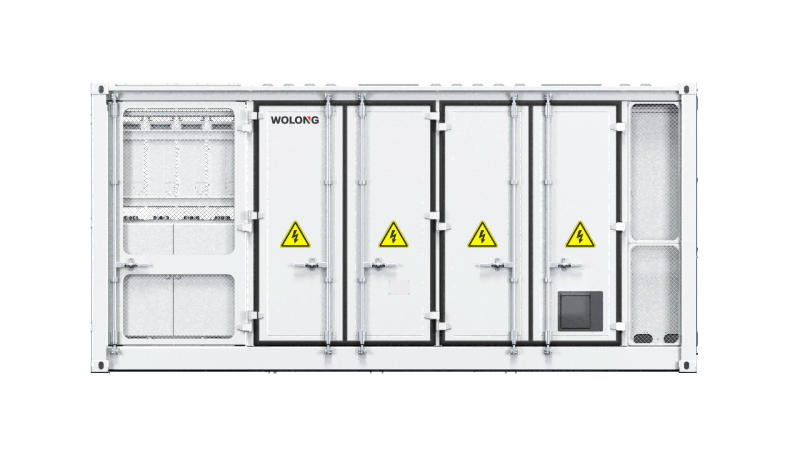
At Wolong, we develop integrated energy storage solutions designed to meet the diverse needs of commercial and industrial customers. From manufacturing facilities to office buildings and industrial parks, every project requires a product configuration that matches its operational goals. This overview explores the key components and applications of modern C&I energy storage systems and explains how different energy storage products work together to deliver reliable performance.
What Is C&I Energy Storage?
C&I energy storage refers to battery systems installed behind the meter at commercial and industrial facilities. Unlike utility-scale projects that support the public grid, these systems are designed to optimize on-site energy use and improve power reliability for individual businesses.
Typical users include factories, warehouses, shopping malls, hospitals, data centers, hotels, and office campuses. By storing electricity during periods of low demand and discharging it during peak hours, businesses can better manage energy costs while improving the utilization of renewable energy sources such as rooftop solar.
In addition to lowering operating expenses, these systems help increase energy resilience by providing backup power during unexpected grid interruptions.
Core Components of a C&I Energy Storage System
A successful energy storage project depends on selecting the right combination of energy storage products rather than focusing on batteries alone. Each component plays a specific role in ensuring safe, efficient, and reliable operation.
Battery storage cabinets serve as one of the core components of the system by storing electrical energy and supplying power when required. Modern lithium battery technology provides high energy density, long cycle life, and stable performance for commercial applications.
Power conversion systems manage the bidirectional flow of electricity between the batteries, the facility, renewable generation equipment, and the utility grid. Efficient power conversion helps maximize overall system performance while ensuring stable charging and discharging.
Battery management systems continuously monitor battery voltage, temperature, and operating conditions. This intelligent control protects battery health, enhances operational safety, and extends system lifespan.
Energy management systems coordinate all equipment within the storage solution. By analyzing electricity prices, facility demand, and renewable generation, they optimize charging and discharging strategies to improve energy efficiency.
Product Features That Matter Most
Choosing the right C&I energy storage solution requires evaluating more than battery capacity. Product design directly affects installation efficiency, long-term maintenance, and overall project performance.
Integrated cabinet architecture simplifies transportation and on-site installation by combining multiple system components into a compact enclosure. This design reduces installation time while minimizing the space required within commercial facilities.
Modular configurations allow businesses to expand storage capacity as operational requirements change. Instead of replacing the original installation, additional battery modules can be integrated to support increased electricity demand or future renewable energy expansion.
Intelligent monitoring platforms provide real-time operating data, remote diagnostics, and predictive maintenance capabilities. These functions improve system availability while helping operators quickly identify potential issues before they affect performance.
Matching Products to Commercial Applications
Different industries have different energy management priorities, making product selection an important part of project planning.
Manufacturing facilities often focus on reducing peak electricity demand while maintaining stable production. Battery storage enables factories to shift energy consumption away from high-cost periods without interrupting operations.
Commercial buildings and office complexes typically seek greater energy efficiency and improved utilization of rooftop solar systems. Properly configured storage solutions allow surplus solar electricity to be stored during the day and used when building demand increases.
Logistics centers, hospitals, and data centers require reliable backup power in addition to energy optimization. In these environments, carefully selected energy storage products support business continuity while enhancing overall power reliability.
How Integrated Solutions Improve Performance
The effectiveness of an energy storage project depends on how well each product works together within the complete system.
Rather than operating as independent devices, batteries, power conversion equipment, battery management, and energy management platforms function as one coordinated solution. This integrated approach improves energy efficiency, enhances operational safety, and simplifies system management throughout the project lifecycle.
At Wolong, we design integrated solutions that help customers achieve reliable operation while reducing installation complexity. Our commercial energy storage portfolio supports flexible deployment across a wide range of industries, enabling businesses to adapt to changing energy demands with confidence.
Factors to Consider Before Selecting a Product
Every commercial project has unique technical and financial requirements. Understanding these requirements before selecting equipment leads to better long-term performance.
The first consideration is electricity consumption. Facilities with significant peak demand may require higher battery capacity, while businesses focused on renewable energy utilization may prioritize intelligent energy management capabilities.
Installation space also influences product selection. Compact integrated cabinets are often ideal for facilities with limited available space, whereas larger industrial sites may have greater flexibility when planning future expansion.
Operational safety, maintenance requirements, system scalability, and compatibility with existing electrical infrastructure should all be evaluated during the design process. A well-planned solution delivers better reliability while protecting long-term investment value.
Conclusion
Commercial battery storage has become a valuable tool for businesses seeking lower energy costs, improved resilience, and greater operational efficiency. Understanding how different products contribute to overall system performance helps organizations make informed investment decisions.
From battery cabinets and intelligent control systems to integrated monitoring platforms, every component plays an important role in delivering reliable results. At Wolong, we provide complete C&I energy storage solutions that combine advanced technologies with practical system integration, helping customers build smarter, safer, and more efficient energy infrastructure for the future.