


The commercial and industrial energy storage market is experiencing significant transformation as businesses worldwide seek more reliable, cost-effective, and sustainable energy solutions. Rising electricity prices, increasing renewable energy adoption, and growing pressure to reduce carbon emissions are accelerating the demand for advanced storage technologies.
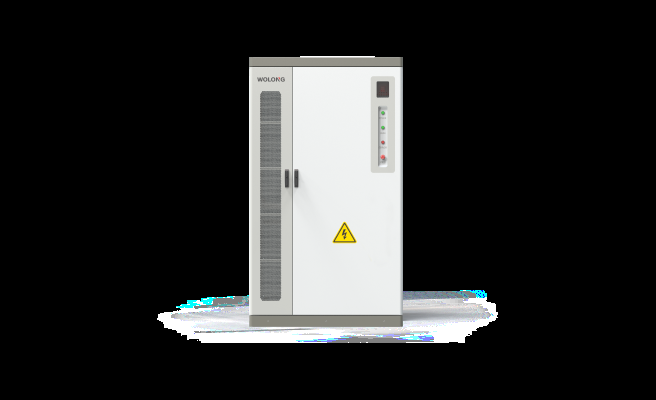
At Wolong, we are closely following the latest developments in the energy storage industry and helping businesses adapt to this changing landscape. Companies are no longer viewing energy storage as a simple backup power option. Instead, they are investing in intelligent systems that improve energy efficiency, support grid stability, and create long-term operational value.
The latest industry trends show that commercial and industrial users are prioritizing flexible energy management, renewable integration, and digital control capabilities. These changes are reshaping how factories, commercial buildings, and industrial parks manage electricity.
Market Trends Driving the Growth of Commercial Energy Storage Solutions
One of the most important trends in the current energy market is the rapid expansion of commercial energy storage solutions. Businesses are increasingly using battery energy storage systems (BESS) to reduce electricity costs, improve power reliability, and optimize energy consumption.
Manufacturing facilities, logistics centers, office buildings, and industrial parks are facing growing challenges from fluctuating electricity prices and unstable power supply. Energy storage enables these users to store electricity during low-cost periods and discharge it during peak demand, helping reduce energy expenses through peak shaving and load management.
Another major trend is the increasing demand for integrated energy systems. Modern customers expect more than standalone batteries. They require complete solutions that combine battery systems, energy management platforms, monitoring technologies, and renewable energy sources to achieve better performance.
We are seeing more companies adopt intelligent energy storage platforms that provide real-time operational insights. These systems allow businesses to monitor energy flows, improve equipment efficiency, and make data-driven decisions that support sustainable development.
Renewable Integration Becomes a Key Industry Direction
The global transition toward clean energy is creating new opportunities for renewable energy storage solutions. As solar and wind power become more widely deployed, businesses need reliable storage technologies to manage renewable generation fluctuations and maintain stable energy supply.
For commercial and industrial users, combining renewable energy with storage provides greater control over electricity usage. Solar generation can be stored during periods of high production and used later when energy demand increases. This approach helps companies maximize renewable utilization while reducing dependence on traditional power sources.
We believe the future of industrial energy management will rely heavily on the combination of renewable generation, battery storage, and smart energy control. This integrated approach enables businesses to improve sustainability performance while maintaining reliable operations.
The growth of distributed energy resources is also encouraging more companies to explore microgrid applications. Smart microgrids supported by advanced storage systems can provide greater energy independence, especially for industrial facilities requiring continuous power availability.
Technology Innovations Shaping the Future of Industrial Storage
Technology advancement is another defining trend in the commercial and industrial energy storage sector. Battery safety, system efficiency, and intelligent control capabilities are becoming key factors influencing purchasing decisions.
Battery management systems (BMS) are playing an increasingly important role by monitoring battery conditions, improving safety, and extending system lifespan. Advanced BMS technology allows operators to understand battery performance and maintain stable operation throughout the product lifecycle.
Energy storage systems are also becoming more intelligent through the integration of artificial intelligence, cloud platforms, and remote monitoring capabilities. These technologies help businesses predict energy demand, optimize charging and discharging strategies, and reduce maintenance costs.
Safety remains a top priority as larger storage projects continue to develop. Improved thermal management, system protection mechanisms, and advanced monitoring functions are helping create safer and more reliable energy storage environments for industrial applications.
As a company focused on energy technology innovation, Wolong continues to explore ways to improve system reliability and efficiency. We understand that every commercial and industrial customer has different energy requirements, which is why flexible and scalable solutions are becoming increasingly important.
New Opportunities for Businesses in the Energy Transition
The latest news from the energy storage industry shows that businesses are becoming more proactive in their energy strategies. Instead of responding only to rising costs, companies are using storage systems as strategic tools to improve competitiveness.
Large-scale factories are adopting energy storage to support production stability, while commercial buildings are using storage to optimize electricity management. Data centers and critical infrastructure facilities are also increasing investments in storage because reliable power supply is essential for their operations.
Government support for renewable energy development and grid modernization is further accelerating market growth. Many regions are encouraging businesses to adopt clean energy technologies, creating favorable conditions for commercial and industrial storage deployment.
In this changing environment, companies that implement advanced storage technologies can achieve multiple benefits, including lower operating costs, improved energy resilience, and stronger sustainability performance.
Future Outlook: Building Smarter and More Sustainable Energy Systems
The future of C&I energy storage will be shaped by intelligence, integration, and sustainability. Businesses will continue looking for solutions that help them manage complex energy challenges while achieving environmental goals.
We believe the next generation of storage systems will become more connected with renewable energy, smart grids, and digital management platforms. These developments will allow companies to create more efficient and flexible energy ecosystems.
Wolong is committed to supporting global customers through innovative energy storage technologies and reliable system solutions. By understanding market trends and customer needs, we aim to help businesses successfully navigate the transition toward cleaner energy.
Energy Storage Becomes a Business Advantage
Commercial and industrial energy storage is entering a new stage of development, driven by technology innovation, renewable energy growth, and changing business requirements. Companies are increasingly recognizing that storage systems can deliver both economic and environmental benefits.
From reducing electricity costs to supporting renewable integration, modern storage technologies are becoming essential tools for energy management. With the continued development of intelligent solutions, businesses can build more resilient and sustainable operations.
The latest trends indicate that energy storage will remain a critical part of the global energy transition. By adopting advanced solutions today, commercial and industrial users can prepare for a smarter and cleaner energy future.