


Large battery storage projects play an increasingly important role in supporting renewable energy integration, grid flexibility, and energy management. As system capacity grows, safety design becomes one of the most important factors in ensuring stable long-term operation. Large-scale battery systems contain many battery units operating together, which means effective protection strategies are essential for controlling risks and maintaining reliability.
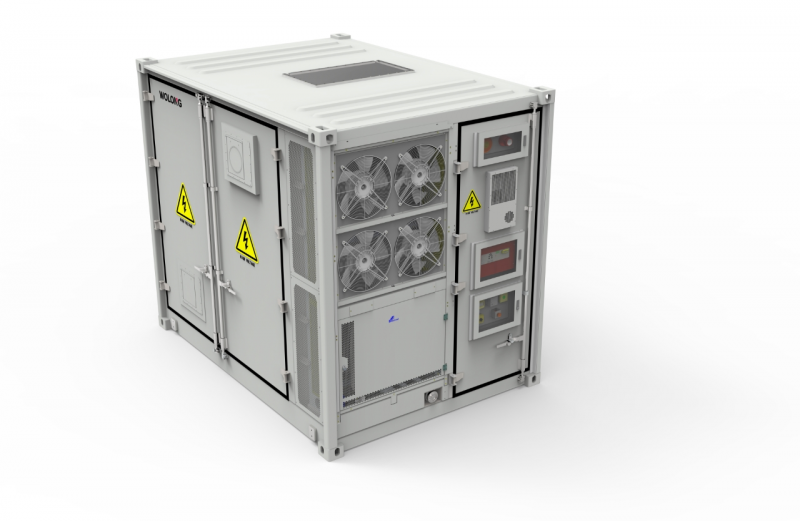
One important approach is cluster-level isolation, which separates battery units into independent protection zones. This design helps limit the impact of potential issues and improves overall system safety. In modern large-scale battery storage applications, advanced isolation strategies provide an additional layer of protection beyond traditional monitoring and control methods.
The Safety Challenges of Large Battery Storage Systems
Large energy storage projects require complex system architectures because they combine numerous battery modules, power conversion equipment, and control systems. While increasing capacity improves energy availability, it also creates higher requirements for safety management.
Battery systems must continuously manage factors such as temperature, electrical conditions, and operating status. If an abnormal condition occurs within one section of the system, a well-designed protection structure can help prevent the issue from affecting other areas.
This is why safety design is not limited to individual battery cells. Protection strategies must consider the entire energy storage system, from battery modules to larger system-level configurations.
How Cluster-Level Isolation Improves Battery System Protection
Cluster-level isolation divides a large battery system into separate functional units that can operate with independent protection mechanisms. Instead of treating the entire battery system as one connected structure, this approach creates multiple controlled sections.
When an abnormal condition occurs within a specific cluster, isolation measures can help restrict the impact to that area. This reduces the possibility of wider system disruption and supports safer operation.
For operators managing large energy storage facilities, this design provides greater control and improves the ability to identify, manage, and respond to potential issues. It also supports more efficient maintenance because individual sections can be inspected or serviced with reduced impact on the overall system.
The Role of Utility-Scale Energy Storage Safety Design
Safety is a core consideration in utility-scale energy storage because these projects often serve critical roles in power networks. Large storage systems may support renewable energy plants, grid balancing, and other applications that require consistent performance.
A complete safety strategy includes multiple layers, such as battery management systems, thermal management, electrical protection, and structural design. Cluster-level isolation works together with these technologies to create a more comprehensive protection framework.
By combining different safety mechanisms, energy storage systems can better handle changing operating conditions while maintaining stable performance throughout their service life.
How Our Utility-Scale ESS Applies Advanced Protection Concepts
Our utility-scale ESS solution is designed for large-scale energy applications that require reliable performance and comprehensive safety management. The system integrates advanced battery technology, intelligent control capabilities, and system-level protection features to support demanding energy storage scenarios.
The solution uses a modular architecture that allows flexible configuration according to project requirements. This structure supports efficient system management while improving operational flexibility for different application environments.
Through intelligent monitoring and protection functions, our system continuously evaluates operating conditions and helps operators maintain safe and efficient performance. The combination of system integration and advanced management supports reliable operation for renewable energy and grid-side applications.
Why Isolation Matters for Long-Term Energy Storage Reliability
Long-term reliability depends on more than initial system performance. Energy storage systems are expected to operate for many years under different environmental and load conditions, making durability and safety management essential.
Cluster-level isolation contributes to long-term reliability by improving fault management capabilities. If one area requires attention, operators can address the specific section instead of affecting the entire system.
This approach can also improve maintenance efficiency. A more organized system structure allows technical teams to better understand equipment conditions and carry out inspections more effectively.
Advanced Protection Supports the Future of Large Battery Storage
As renewable energy capacity continues to expand, the demand for safer and more reliable storage solutions is increasing. Large battery systems must provide not only high capacity but also intelligent protection and flexible operation.
Modern large-scale battery storage solutions require carefully designed safety systems that address challenges from the cell level to the complete installation. Cluster-level isolation represents one important method for improving system resilience and supporting stable energy delivery.
For project developers, investors, and grid operators, selecting an energy storage solution with strong safety architecture is essential for reducing operational risks and improving long-term value.
Reliable Storage Solutions for More Secure Energy Systems
The future of energy storage depends on balancing capacity growth with advanced safety technologies. As storage projects become larger, protection strategies such as cluster-level isolation will continue to play an important role in improving system reliability.
Choosing an experienced energy storage partner requires evaluating technology capabilities, manufacturing quality, system safety, and service support. A reliable solution should help customers manage current energy requirements while preparing for future expansion.
With extensive expertise in energy storage innovation, advanced manufacturing capabilities, and global service support, we provide reliable solutions designed for large-scale energy applications. At Wolong, we focus on delivering safer, smarter, and more efficient utility-scale ESS solutions that help customers optimize energy management and support future power needs. Contact us to discuss how our technologies can meet your project requirements.