


As renewable energy becomes a larger part of the global power supply, maintaining grid stability has become a key challenge for energy operators. Solar and wind resources provide clean electricity, but their output naturally changes with weather conditions, creating variations in power generation that must be balanced in real time.
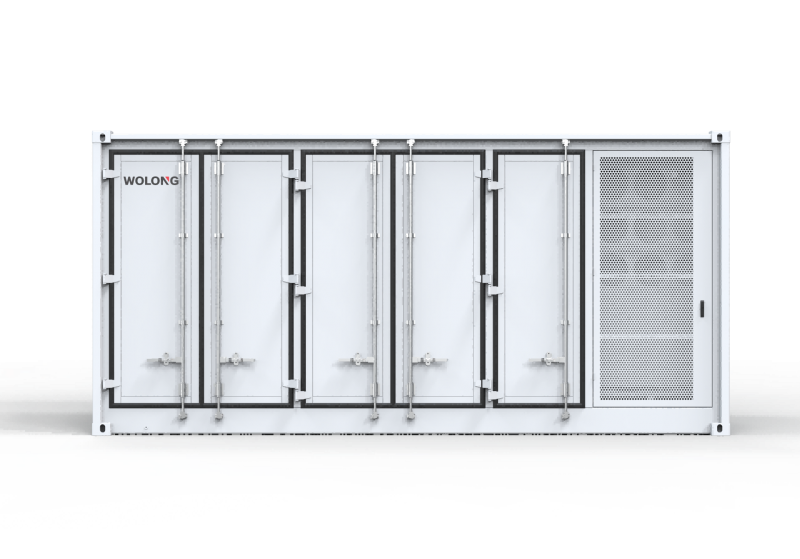
Energy storage helps solve this challenge by creating flexibility between electricity generation and consumption. Through advanced large-scale energy storage solutions, excess power can be stored when renewable generation is high and released when additional support is needed, helping power systems operate more reliably.
Grid Stability Challenges in Renewable Power Systems
A stable power grid requires a continuous balance between electricity supply and demand. Traditional power sources can often provide predictable output, but renewable energy introduces greater variability because solar and wind generation depend on environmental conditions.
For grid operators, sudden changes in renewable output can affect power quality, frequency control, and overall system reliability. As renewable capacity increases, the need for flexible technologies that can respond quickly to these changes becomes more important.
Energy storage provides this flexibility by acting as a buffer within the power system. It helps absorb fluctuations and supports smoother electricity delivery across different operating conditions.
How Energy Storage Supports Power Balance
The basic principle of energy storage is straightforward: store electricity when supply exceeds immediate demand and release it when the grid requires additional power. This approach allows electricity availability to be shifted across different time periods.
For example, solar farms may generate significant electricity during daytime hours, while demand patterns may change throughout the day. An energy storage system can capture surplus renewable power and deliver it later when generation decreases or consumption rises.
This capability makes utility-scale energy storage an important technology for improving renewable energy utilization and strengthening grid flexibility.
The Role of Large-Scale Storage in Renewable Integration
Large renewable energy projects require solutions that can manage high levels of variable electricity generation. Without sufficient flexibility, renewable power fluctuations may create additional challenges for grid operation.
Large-scale energy storage provides a connection between renewable generation and electricity demand. By storing energy during periods of high production, storage systems help reduce wasted renewable power and improve energy availability.
Beyond renewable integration, large-scale storage can also support applications such as peak management, frequency regulation, and grid-side energy optimization. These functions allow energy systems to respond more effectively to changing electricity conditions.
How Our Utility-Scale ESS Supports Grid Reliability
Our utility-scale ESS solution is designed for large-scale energy applications that require stable operation, flexible management, and reliable performance. The system integrates advanced battery technology, intelligent control functions, and system-level protection features to support different grid scenarios.
A modular system architecture allows flexible configuration according to project requirements. This approach helps customers develop energy storage solutions that match different renewable energy applications while maintaining operational efficiency.
Through intelligent monitoring and energy management capabilities, our system helps operators track performance conditions, optimize charging and discharging processes, and improve the overall utilization of stored energy.
Key Technologies Behind Reliable Energy Storage Systems
A dependable utility-scale storage solution requires more than battery capacity. Long-term performance depends on multiple factors, including thermal management, safety protection, power conversion efficiency, and intelligent control systems.
Effective thermal management helps maintain stable battery operation under different environmental conditions. Advanced monitoring systems provide real-time information, allowing operators to identify operating conditions and manage system performance more effectively.
By combining these technologies, energy storage systems can provide consistent support for renewable energy projects and power networks over long operating periods.
The Importance of Utility-Scale Storage for Future Power Networks
As renewable energy deployment continues to expand, power systems require greater flexibility to maintain reliable operation. Storage technology provides a practical method for managing renewable variability while supporting cleaner electricity development.
Utility-scale energy storage enables energy operators to better coordinate electricity generation and consumption. It helps transform variable renewable resources into a more predictable and manageable energy supply.
For project developers and grid operators, selecting an energy storage partner requires careful evaluation of technology capabilities, manufacturing experience, safety standards, and long-term service support.
Reliable Energy Storage Solutions for a Flexible Grid
The future of renewable energy depends on technologies that can balance clean power generation with reliable electricity supply. Utility-scale storage plays an important role by improving grid flexibility and helping renewable resources deliver greater value.
We continue to develop energy storage solutions that combine technical innovation, manufacturing strength, and practical application experience for large-scale power projects. At Wolong, we help customers strengthen grid stability and improve renewable energy utilization with reliable utility-scale ESS solutions. Contact us to learn how our technology can support your project development.