


Renewable energy generation is growing rapidly, but producing clean electricity is only one part of building a reliable energy system. Solar and wind projects often generate power based on natural conditions rather than real-time electricity demand. As a result, there are times when renewable generation is higher than what the grid or users can immediately consume.
This excess electricity does not have to be wasted. With advanced storage technology, surplus renewable power can be captured and used later when demand increases or renewable generation decreases. As a sustainable energy supplier, we focus on developing solutions that help convert variable renewable resources into more flexible and usable energy.
Why Excess Renewable Power Occurs
Renewable energy sources such as solar and wind naturally fluctuate throughout the day. Solar projects may produce their highest output around midday, while electricity demand may reach its peak in the evening. Wind generation can also change depending on weather conditions.
When renewable generation exceeds immediate electricity demand, the grid may face challenges in absorbing all available power. Without proper management, some renewable energy may need to be reduced or curtailed.
Energy storage provides a practical way to address this imbalance. Instead of losing excess electricity, storage systems can capture it and make it available during periods when power is more valuable.
How Energy Storage Uses Surplus Renewable Electricity
The basic idea behind energy storage is straightforward. When renewable projects generate more electricity than needed, the storage system charges using the available surplus power.
Later, when renewable output decreases or electricity demand rises, the stored energy can be released back into the power system. This process shifts electricity availability from one time period to another.
Through utility-scale energy storage, large renewable projects gain greater flexibility in managing energy flows. Storage allows clean electricity to be used more efficiently while supporting a more balanced power network.
A Simple Example of Renewable Energy Storage in Practice
Consider a solar power project that generates a large amount of electricity during the middle of the day. At that time, electricity production may exceed local consumption requirements.
Instead of sending all generated power directly to the grid, part of the electricity can be stored in an energy storage system. During the evening, when solar generation stops but electricity demand remains high, the stored energy can be discharged.
This simple example shows how storage creates a connection between renewable generation and actual electricity needs. It helps renewable projects provide more consistent energy support across different periods.
The Role of Utility-Scale ESS in Renewable Energy Management
Large renewable energy projects require storage systems that can manage significant energy volumes while maintaining reliable operation. A utility-scale ESS must provide not only storage capacity but also intelligent control, safety management, and efficient energy conversion.
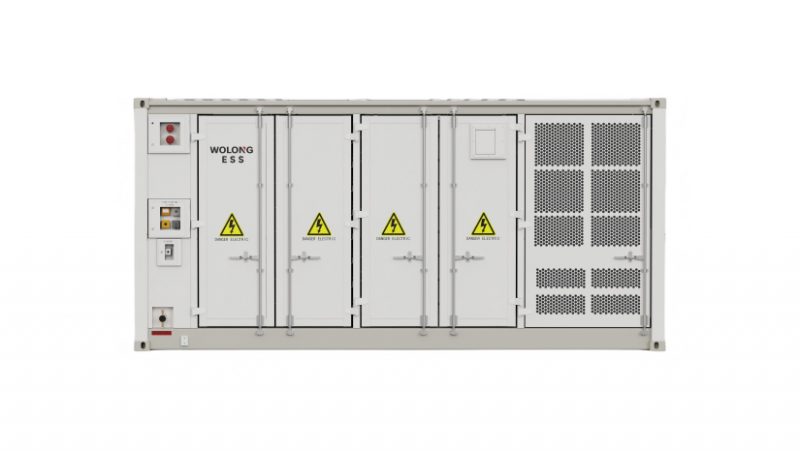
Our utility-scale ESS solution is designed to support renewable energy applications by improving energy flexibility and operational efficiency. The system integrates advanced battery technology, intelligent monitoring, and a modular design approach for different project requirements.
Through effective charging and discharging management, our solution helps renewable energy developers and grid operators better control electricity availability.
How Our ESS Supports More Efficient Renewable Utilization
Our utility-scale ESS solution helps address one of the key challenges of renewable energy: the difference between when electricity is generated and when it is needed.
The system uses a flexible architecture that supports large-scale energy applications. Intelligent management functions help monitor operating conditions and optimize energy usage throughout the storage cycle.
For renewable projects, this capability can improve energy utilization by allowing excess electricity to be stored instead of unused. It also provides additional flexibility for managing changing power conditions.
As a sustainable energy supplier, we understand that renewable energy development requires more than generation capacity. Reliable storage technology is an important part of creating a more efficient and adaptable energy system.
Why Storage Matters for Future Renewable Projects
As renewable energy adoption continues to increase, managing excess generation will become more important. Storage technology helps solve this challenge by improving the relationship between electricity production and consumption.
Beyond capturing surplus energy, storage systems can support applications such as grid balancing, peak demand management, and renewable integration. These capabilities make storage an important part of modern energy infrastructure.
For project developers and energy operators, selecting the right storage solution requires consideration of safety, system performance, scalability, and long-term reliability.
Turning Excess Renewable Power into Valuable Energy
Excess renewable electricity represents an opportunity rather than a problem. With the right storage technology, clean power generated during high-production periods can continue to provide value when demand changes.
Utility-scale energy storage helps transform renewable energy from a variable resource into a more flexible and controllable power source. It supports a future energy system where renewable generation can play a larger role without compromising reliability.
Renewable energy growth requires storage solutions that can adapt to changing power conditions and improve energy availability. With our experience in energy storage development, system integration, and large-scale applications, we support customers in creating more reliable renewable energy systems. At Wolong, we work with partners to unlock the value of stored renewable power through advanced utility-scale ESS solutions. Contact us to discuss your project needs.