


Electricity demand does not remain constant throughout the day. Commercial facilities, industrial operations, and residential areas often experience periods when electricity consumption rises significantly within a short time. These peak demand periods can place additional pressure on power networks and increase energy management challenges for operators.
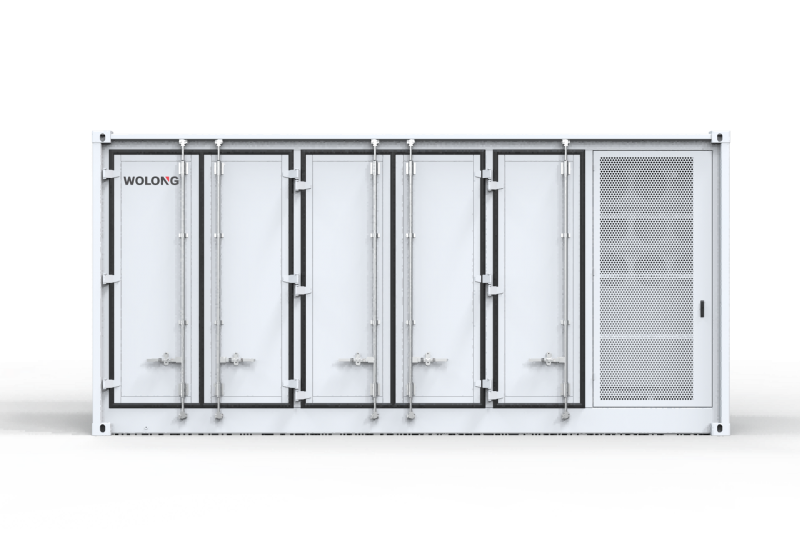
Traditionally, meeting higher demand has required adjustments on the generation side, such as increasing output from power plants or activating additional generation resources. However, energy storage provides another approach. By storing electricity in advance and releasing it when demand increases, large-scale energy storage systems can help support peak demand without requiring changes to existing generation output.
Peak Demand Challenges in Modern Power Systems
Peak demand occurs when electricity consumption reaches its highest level during a specific period. These periods may happen during evening hours, extreme weather conditions, or times when multiple energy-intensive activities operate simultaneously.
For grid operators, peak demand management is essential for maintaining reliable electricity supply. Higher demand can increase stress on transmission and distribution infrastructure, requiring additional flexibility within the power system.
Instead of relying only on increasing generation capacity, energy storage offers a more flexible way to manage short-term demand changes. It helps balance electricity availability by using stored power when the grid needs additional support.
How Energy Storage Supports Peak Demand Management
The basic function of energy storage is to shift electricity availability from one time period to another. During periods when electricity supply is sufficient, the system stores energy for future use.
When peak demand occurs, stored electricity can be discharged to reduce pressure on the grid. This process allows operators to respond to changing demand patterns without modifying the output of existing generation sources.
Through this approach, utility-scale energy storage provides an effective method for improving grid flexibility. It enables power systems to better handle demand fluctuations while maintaining stable electricity delivery.
The Role of Large-Scale Storage in Grid Flexibility
Large energy storage projects are designed to provide significant power support for grid-side applications. Unlike smaller systems used for individual facilities, utility-scale solutions can manage larger energy flows and contribute to broader power management strategies.
Large-scale energy storage systems can support peak shaving, renewable energy integration, and grid balancing. By providing stored energy when demand rises, these systems help reduce the need for immediate generation adjustments.
This flexibility is especially valuable as renewable energy becomes a larger part of the electricity mix. Since solar and wind generation can change depending on environmental conditions, storage helps create a more adaptable energy network.
How Our Utility-Scale ESS Supports Peak Demand Response
Our utility-scale ESS solution is designed to support large energy applications that require flexible and reliable power management. By combining advanced battery technology, intelligent control functions, and integrated system design, our solution helps customers manage electricity demand more efficiently.
The system uses a modular architecture that allows flexible configuration according to different project requirements. This design supports applications such as renewable energy integration, grid-side energy management, and peak demand support.
Through intelligent monitoring and energy management capabilities, our system helps operators understand energy conditions and optimize charging and discharging schedules. This allows stored energy to be used effectively when demand increases.
Why Energy Storage Does Not Require Generation Changes
One major advantage of energy storage is that it provides additional flexibility without directly changing how power generation facilities operate. Instead of increasing generation output during every demand peak, stored electricity can provide temporary support.
This approach can improve overall system efficiency by allowing generation assets to operate according to planned schedules while storage manages short-term demand variations.
For grid operators, this creates a more balanced energy management strategy. Storage acts as a flexible resource that can respond quickly to demand changes while supporting reliable power delivery.
Key Factors for Reliable Peak Demand Support
A reliable energy storage system requires more than sufficient capacity. Long-term performance depends on battery technology, thermal management, electrical protection, intelligent control, and overall system design.
Large-scale storage projects must operate safely under frequent charging and discharging cycles. Effective monitoring and protection mechanisms help maintain stable performance throughout the system lifecycle.
For utility operators and project developers, selecting the right storage solution requires careful consideration of technical capability, safety features, and operational support.
Energy Storage as a Flexible Tool for Future Power Networks
As electricity demand patterns continue to change, flexible technologies will become increasingly important for modern power systems. Energy storage provides a practical way to manage demand peaks while improving grid adaptability.
By storing electricity when available and releasing it when needed, utility-scale energy storage helps create a more balanced relationship between generation and consumption.
The continued development of storage technology will support more resilient energy networks, especially as renewable energy adoption increases and power management requirements become more complex.
Reliable Storage Solutions for Changing Energy Demands
Managing peak demand requires solutions that provide flexibility without creating unnecessary changes to existing power infrastructure. Utility-scale ESS offers an effective approach by allowing stored electricity to support the grid when demand rises.
We develop energy storage solutions focused on real-world power challenges, combining system integration capabilities, safety-focused design, and practical application experience for large-scale projects. At Wolong, we help customers improve energy flexibility and strengthen power management with reliable utility-scale ESS solutions. Contact us to explore how our technology can support your energy storage requirements.