


Energy storage systems are increasingly deployed in outdoor and demanding environments, including renewable power plants, industrial facilities, and grid-support projects. In these applications, battery packs must operate reliably despite exposure to dust, moisture, temperature changes, and other environmental conditions.
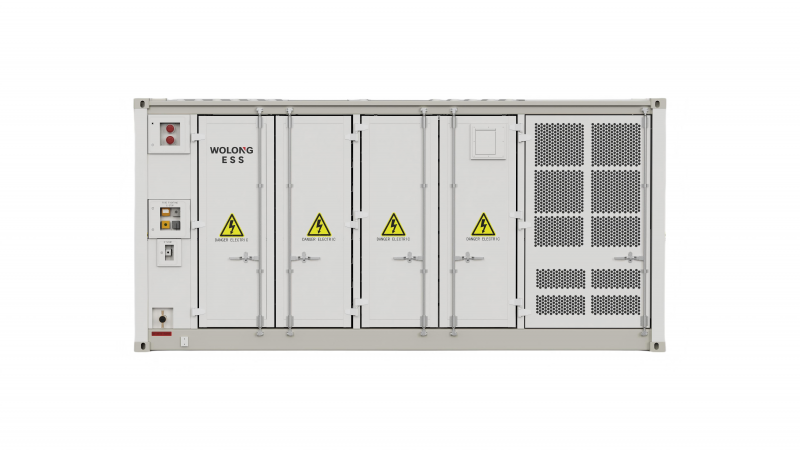
Protection design is therefore a key consideration when selecting battery solutions. An IP66 protection rating helps improve equipment durability by reducing the impact of external elements on internal components. For modern liquid-cooling energy storage applications, strong enclosure protection works together with thermal management technologies to support safer and more stable operation in challenging environments.
Environmental Challenges for Outdoor Battery Storage Systems
Unlike indoor electrical equipment, outdoor energy storage systems face constantly changing conditions. Dust, rain, humidity, and temperature fluctuations can affect sensitive electrical components if protection measures are insufficient.
Battery packs contain critical elements such as cells, control units, and electrical connections. Exposure to external conditions may influence system reliability and increase maintenance requirements over time.
For renewable energy projects, storage systems are often installed near solar farms, wind facilities, or remote locations. These environments require battery solutions designed to maintain stable performance under different operating conditions.
What IP66 Protection Means for Battery Packs
The IP rating system defines how effectively an enclosure protects internal equipment from solid particles and water. An IP66 rating indicates a high level of protection against dust and strong water jets.
For battery packs, this protection helps prevent external contaminants from entering the enclosure and affecting internal components. It also supports more reliable operation when equipment is exposed to rain, dust, or outdoor cleaning conditions.
While enclosure protection is only one part of system safety, it provides an important foundation for maintaining equipment performance throughout the service life of an energy storage system.
The Connection Between IP66 Protection and Energy Storage Reliability
Battery performance depends on the condition of both internal components and external operating environments. A well-protected enclosure helps maintain a more controlled internal environment, reducing potential risks caused by external exposure.
In large-scale applications, reliable protection becomes especially important because battery systems may contain many interconnected units operating continuously. Better environmental protection supports longer service intervals and more predictable operation.
For companies investing in renewable energy storage, choosing battery systems with appropriate protection standards can help improve project reliability and reduce operational challenges.
Why Thermal Management Is Essential in Protected Battery Systems
Protection against external conditions does not eliminate the need for effective internal temperature control. Battery cells generate heat during charging and discharging, especially in large energy storage applications.
Advanced liquid-cooling energy storage systems help maintain consistent battery temperatures by efficiently transferring heat away from battery cells. This supports stable performance, improves operating efficiency, and helps protect battery lifespan.
When combined with a durable enclosure design such as IP66 protection, liquid cooling provides a more comprehensive approach to managing both internal and external operating challenges.
How Our Battery Solutions Support Harsh Operating Conditions
We provide energy storage solutions designed for different application environments, including systems that require strong protection, reliable performance, and efficient thermal management.
Our product portfolio includes battery solutions developed for modern ESS applications, supporting renewable integration, industrial energy management, and other large-scale energy scenarios. Through advanced design and manufacturing processes, we focus on improving system durability and operational stability.
By combining protective enclosure design with intelligent system management, our solutions help customers deploy energy storage systems in environments where reliability is essential.
The Role of Battery Protection in Renewable Energy Projects
Renewable energy projects often operate in locations where environmental conditions can vary significantly. Solar installations may face dust and heat, while wind projects may experience moisture, temperature changes, and challenging weather conditions.
Battery systems used in these applications need protection strategies that support continuous operation. Strong enclosure protection, thermal control, and monitoring technologies work together to maintain system performance.
As demand for renewable energy storage continues to grow, reliable battery protection will become increasingly important for ensuring that energy storage systems can operate effectively over long periods.
Choosing Battery Solutions for Long-Term Performance
Selecting a battery solution requires more than evaluating energy capacity. Project developers must also consider environmental adaptability, safety design, thermal management, and manufacturing quality.
A well-designed battery system should provide consistent performance throughout changing conditions. Protection features such as IP66-rated enclosures contribute to system resilience, while advanced cooling and monitoring technologies support efficient operation.
For large-scale energy projects, these design elements help create storage systems that deliver dependable performance and reduce long-term operational risks.
Reliable Battery Protection for Future Energy Applications
As energy storage expands into more demanding environments, battery protection will play a greater role in system reliability. IP66 protection represents an important design feature that helps battery packs withstand external challenges while supporting stable operation.
Reliable battery performance in harsh environments depends on thoughtful system design, from enclosure protection to temperature control and long-term durability. We continue to develop energy storage solutions that address these practical challenges across renewable and industrial applications. At Wolong, we work with customers to explore reliable ESS solutions that support safer and more stable energy operations. Contact us to discuss your project requirements.