


Energy storage systems often operate under demanding conditions, where battery performance directly affects system efficiency, reliability, and service life. As storage projects expand into industrial facilities, renewable power plants, and grid-support applications, maintaining consistent battery operation has become a key technical challenge.
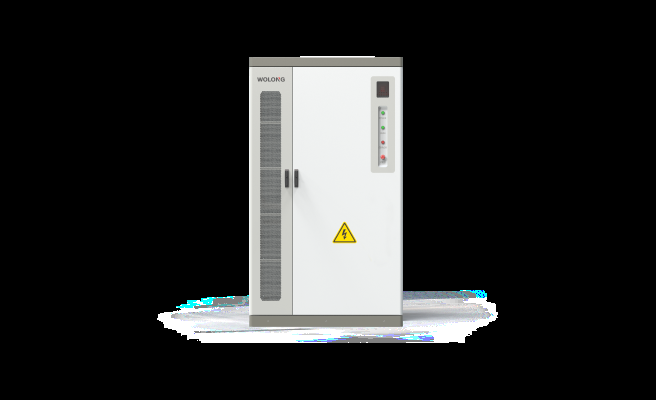
Temperature management is one of the most important factors influencing battery performance. During charging and discharging cycles, battery cells generate heat that must be effectively controlled to maintain stable operation. Through advanced cooling technologies, liquid-cooled battery packs help improve temperature consistency and support more reliable industrial energy storage applications.
Why Temperature Control Matters in Battery Storage Systems
Battery cells are sensitive to temperature changes. Excessive heat can accelerate battery aging, reduce efficiency, and affect long-term performance. At the same time, uneven temperature distribution between battery cells may create differences in operating conditions across the system.
For large-scale storage projects, these challenges become more significant because many battery cells operate together. A small temperature imbalance at the cell level can influence overall system performance over time.
Effective thermal management helps maintain battery temperatures within an appropriate range. This allows storage systems to operate more consistently while reducing potential risks caused by overheating or uneven heat distribution.
The Role of Liquid Cooling in Battery Pack Performance
Liquid cooling uses a circulating coolant system to transfer heat away from battery cells more efficiently than traditional air-based methods in many high-capacity applications. By improving heat dissipation, liquid cooling helps maintain more stable operating temperatures.
For energy storage systems that experience frequent charge and discharge cycles, this temperature control is especially valuable. It supports consistent battery performance during periods of high energy demand or intensive operation.
In renewable energy storage projects, where output from solar and wind resources can change throughout the day, reliable thermal management helps ensure that storage systems can respond effectively to different operating requirements.
How Liquid-Cooled Battery Packs Improve System Stability
A stable energy storage system depends on the performance of every individual battery component. When battery temperatures remain consistent, the system can achieve more predictable charging and discharging behavior.
Liquid-cooled battery packs help reduce temperature differences between battery cells and improve overall system balance. This contributes to better energy management and supports longer operational reliability.
For industrial users, stable battery operation is essential because storage systems may support critical applications such as peak demand management, renewable integration, and power optimization. Consistent performance helps businesses better manage their energy strategies.
How Our Battery Solutions Support Reliable Storage Operation
We provide battery solutions designed for modern energy storage applications, including systems that require efficient thermal management and reliable long-term operation. Our product portfolio supports different ESS scenarios, helping customers address the challenges of industrial and renewable energy applications.
By integrating advanced cooling approaches, intelligent monitoring, and system-level design, our solutions help maintain stable battery performance under changing operating conditions.
For projects requiring continuous energy availability, effective temperature management is an important part of achieving reliable operation. Our battery solutions are designed to support efficient energy utilization while improving system stability.
The Connection Between Thermal Management and Renewable Energy Storage
Renewable energy generation is naturally variable. Solar and wind resources can produce different levels of electricity depending on environmental conditions, making energy storage an important tool for balancing supply and demand.
Storage systems used in renewable applications often experience repeated charging and discharging cycles. Efficient cooling technology helps maintain battery conditions during these processes, supporting more reliable energy shifting.
As demand for renewable energy storage continues to increase, thermal management will remain a key consideration for improving system performance and extending battery service life.
Key Factors for Selecting Liquid-Cooled Battery Solutions
Choosing a battery solution requires more than evaluating storage capacity. Project developers and operators also need to consider safety, thermal performance, system compatibility, and long-term reliability.
A well-designed liquid-cooled system should work together with battery management systems, monitoring functions, and protection mechanisms. These technologies provide better control over operating conditions and help maintain stable performance.
For industrial and renewable energy projects, selecting the right battery solution can influence both operational efficiency and lifecycle value. Reliable thermal management provides an important foundation for long-term energy storage success.
Liquid Cooling as a Support for Future Energy Storage Needs
As energy storage applications become larger and more complex, battery temperature management will continue to influence system reliability. Liquid-cooled battery packs provide an effective approach for maintaining stable operation in demanding environments.
By improving temperature consistency and supporting efficient energy management, advanced cooling technologies help storage systems deliver dependable performance across different applications.
As energy storage applications continue to expand, battery performance will depend increasingly on how effectively systems manage heat, safety, and long-term operation. We combine practical engineering experience with ESS development capabilities to address these challenges across different applications. Through Wolong, customers can access integrated energy storage solutions designed for evolving industrial and renewable energy requirements.