


Energy storage projects require efficient connections between battery systems and the electrical grid. While batteries store electricity, the power they deliver must often be increased to a higher voltage level before it can be transmitted or used by connected infrastructure. Step-up transformers perform this essential function by converting voltage and supporting stable energy transfer.
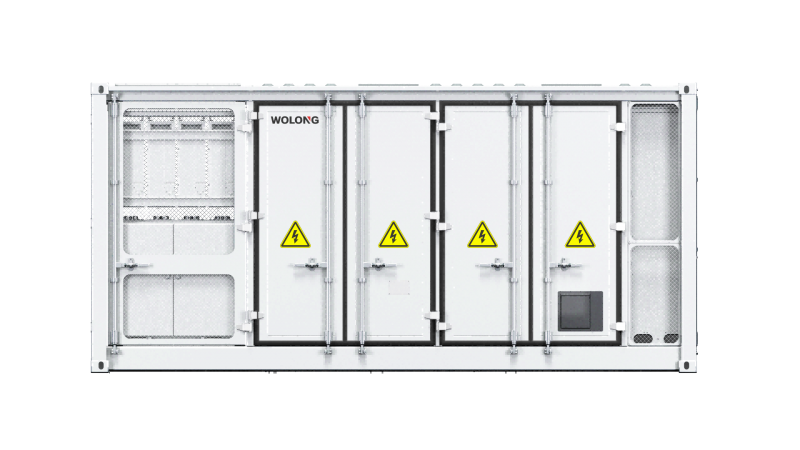
For large-scale applications, transformer selection affects system safety, efficiency, and maintenance requirements. Dry-type transformers are increasingly considered a practical option for many storage projects because of their insulation design, operational reliability, and suitability for environments where safety and simplified maintenance are priorities.
The Role of Step-Up Transformers in Energy Storage Systems
Battery energy storage systems typically operate at voltage levels that differ from grid requirements. Before stored electricity can be delivered to the grid, it usually passes through power conversion equipment and transformers that adjust the voltage.
A step-up transformer increases the voltage output from the energy storage system to match the connection requirements of the grid or other electrical infrastructure. This process helps reduce transmission losses and enables more efficient power delivery.
In a utility-scale battery storage system, transformers are a key part of the electrical pathway. Their performance directly influences how effectively stored energy can be transferred and utilized.
Understanding Dry-Type Transformer Technology
Dry-type transformers use solid insulation materials instead of liquid insulation such as oil. This design eliminates the need for transformer oil management and reduces concerns related to liquid leakage or fire risks.
Because of their insulation structure, dry-type transformers are often suitable for applications where environmental safety, indoor installation, or simplified maintenance are important considerations.
Although different transformer technologies may be selected depending on project conditions, dry-type transformers provide a practical solution for many energy storage environments that require reliable electrical performance.
Why Dry-Type Transformers Fit Energy Storage Applications
Energy storage projects often operate in locations where safety, space utilization, and maintenance efficiency are important factors. Dry-type transformers offer several characteristics that align with these requirements.
Their oil-free design can simplify installation and reduce maintenance needs associated with liquid insulation systems. This can be valuable for storage facilities located near commercial areas, industrial sites, or renewable energy installations.
For renewable energy storage projects, where systems may operate in diverse environments, dry-type transformers provide another option for improving electrical system reliability while supporting safer energy infrastructure.
The Importance of Transformer Reliability in Large Storage Projects
Large energy storage systems experience frequent charging and discharging cycles. During these operations, electrical equipment must handle changing power conditions while maintaining stable performance.
Transformers must be designed to manage continuous operation, temperature changes, and varying electrical loads. Proper selection helps ensure that energy can move efficiently between the storage system and the grid.
A reliable transformer solution supports the overall performance of the energy storage system by reducing potential interruptions and improving long-term operational stability.
How Our Energy Storage Solutions Support Efficient Power Conversion
We develop energy storage solutions designed to support different application scenarios, including grid-side, renewable energy, and industrial energy projects. Our product portfolio covers key ESS components and integrated solutions that help customers manage stored electricity more effectively.
By considering battery systems, electrical connections, and power management requirements together, we help create storage configurations that meet practical project needs.
Our approach focuses on system coordination, ensuring that each component works together to improve reliability, efficiency, and operational performance.
Dry-Type Transformers and Renewable Energy Integration
Renewable energy sources such as solar and wind generate electricity according to environmental conditions rather than fixed demand patterns. Energy storage helps manage these fluctuations by storing excess electricity and releasing it when needed.
Transformers support this process by enabling stored energy to connect with existing electrical networks. When combined with suitable storage technology, dry-type transformers can contribute to more flexible renewable energy systems.
As demand for renewable energy storage continues to grow, electrical infrastructure such as transformers will become increasingly important in improving energy utilization and grid compatibility.
Factors to Consider When Choosing a Storage Transformer
Selecting a transformer for an energy storage project requires careful evaluation of voltage requirements, capacity, installation environment, efficiency, and safety considerations.
Project developers should also consider how the transformer integrates with other ESS components. Compatibility between batteries, power conversion systems, and transformers helps create a more reliable overall system.
A practical transformer choice should support current project requirements while allowing flexibility for future energy management needs.
Building More Reliable Energy Storage Infrastructure
Energy storage systems depend on many interconnected technologies, and transformers play a critical role in ensuring stored electricity reaches the grid safely and efficiently. Dry-type transformers provide a practical option for projects that prioritize safety, reliability, and simplified operation.
As energy storage applications continue to expand, selecting the right electrical components will remain essential for achieving stable long-term performance.
Energy storage systems require carefully matched components to achieve safe and efficient operation. Dry-type transformers offer a practical approach for step-up applications where reliability, safety, and simplified maintenance are important considerations. We continue to develop ESS solutions that support changing energy needs, with Wolong providing the expertise and technology behind dependable storage applications.