


Energy storage systems do not simply store electricity; they must also deliver power in a form that can be safely and efficiently used by the grid or connected facilities. Between the battery system and the electrical network, voltage conversion plays a critical role in ensuring smooth energy transfer.
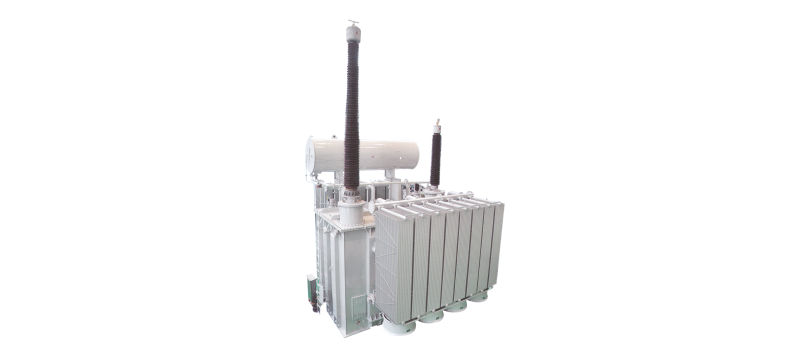
A battery energy storage system (BESS) typically operates at a voltage level that differs from the requirements of transmission networks, distribution systems, or industrial users. This is where transformers become essential. A properly designed BESS transformer helps adjust voltage levels, improve system compatibility, and support reliable energy delivery in large-scale storage projects.
The Role of Transformers in Battery Energy Storage Systems
Battery systems generate and store electricity at specific voltage levels, but this output is not always suitable for direct connection to the grid. Transformers help bridge this difference by increasing or decreasing voltage according to application requirements.
In a complete energy storage project, transformers work alongside battery systems, power conversion equipment, and control systems. Together, these components create a complete pathway for storing, converting, and delivering electricity.
Without effective voltage management, stored energy cannot be transferred efficiently to where it is needed. Transformer selection is therefore an important part of designing reliable energy storage infrastructure.
Why Voltage Matching Matters in Energy Storage Projects
Different energy applications require different voltage levels. A utility-scale storage system connected to the grid may require different electrical characteristics compared with an industrial facility or renewable power project.
A transformer ensures that electricity from the battery system matches the requirements of downstream equipment. This helps reduce energy losses, improve operational efficiency, and support stable power transmission.
For renewable energy storage projects, voltage coordination is especially important because storage systems often work together with solar and wind generation assets. Proper voltage management allows stored renewable electricity to be integrated more effectively into existing power networks.
How BESS Transformers Support Renewable Energy Integration
Renewable energy generation is naturally variable, creating the need for flexible energy management solutions. Storage systems help balance renewable output by storing excess electricity and releasing it when needed.
However, stored electricity must pass through several conversion stages before reaching end users or the grid. Transformers play an important role in this process by ensuring that energy flows at suitable voltage levels.
A reliable BESS transformer supports smoother integration between battery systems and renewable power sources. It helps energy storage projects deliver electricity more effectively while maintaining stable system operation.
Key Considerations When Selecting a BESS Transformer
Choosing the right transformer requires consideration of several factors, including voltage requirements, power capacity, efficiency, environmental conditions, and system compatibility.
Large energy storage projects often operate continuously and experience frequent charging and discharging cycles. Transformers must therefore provide reliable performance under changing load conditions.
Thermal management, protection features, and overall system design also influence transformer reliability. A well-matched transformer solution helps improve energy efficiency and supports long-term project operation.
How Our Energy Storage Solutions Integrate Transformer Technology
We provide comprehensive energy storage solutions designed to support different application scenarios, including renewable integration, grid-side energy management, and industrial energy applications.
Our product portfolio includes ESS solutions that combine key system components to support efficient energy storage and power delivery. By considering battery systems, power conversion, and electrical connection requirements together, we help customers develop more complete energy storage configurations.
Through integrated design and application experience, our solutions support reliable energy transfer from stored electricity to the appropriate voltage level.
The Connection Between Transformers and Renewable Energy Storage Performance
Energy storage performance depends on how effectively every part of the system works together. While batteries determine energy capacity, transformers influence how efficiently that stored energy can be delivered.
For projects using renewable energy storage, transformer reliability directly affects the ability to utilize stored electricity when renewable generation changes or demand increases.
As renewable power adoption grows, energy storage systems will require increasingly efficient electrical infrastructure. Transformers will continue to play an important role in connecting stored energy with modern power networks.
Supporting More Efficient Energy Transfer in Future ESS Projects
Energy storage systems require more than advanced batteries. They depend on a complete electrical architecture that allows stored energy to move safely and efficiently from the battery system to the grid or user.
Transformers provide the connection between different voltage levels, making them a fundamental part of large-scale ESS design. Selecting suitable transformer technology helps improve system reliability and supports better energy management.
We focus on developing integrated energy storage solutions that address the practical requirements of modern power applications, from system compatibility to efficient energy delivery. At Wolong, we work with customers to explore reliable ESS solutions that support the growing needs of renewable and industrial energy projects. Contact us to discuss how our technologies can support your next energy storage application.