


Electricity grids must continuously maintain a balance between power generation and consumption. As renewable energy sources such as solar and wind become more widely connected to the grid, managing fluctuations in electricity supply has become more complex. Grid-side storage provides an effective approach by absorbing excess power when generation is high and releasing energy when demand increases.
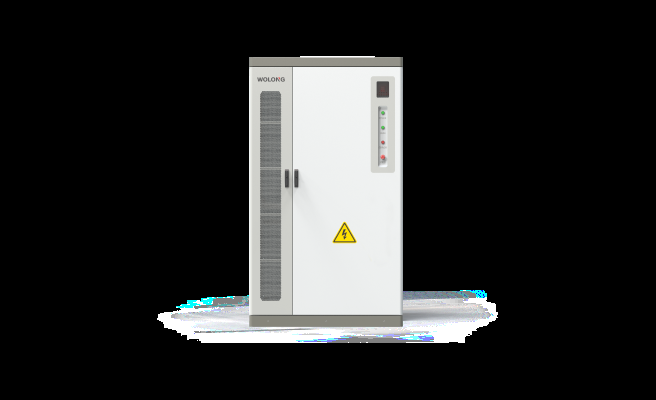
Unlike traditional power infrastructure that mainly adjusts generation output, energy storage adds another layer of flexibility to grid operation. By improving response speed and energy management capabilities, storage systems help create a more stable and adaptable electricity network.
The Role of Grid-Side Storage in Power Balance
Grid-side storage is installed near important points in the power network to support electricity management at a larger scale. It helps grid operators respond to changes in supply and demand without relying only on conventional generation methods.
When electricity production exceeds consumption, storage systems can capture the additional energy. During peak demand periods or temporary generation shortages, stored electricity can be delivered back to the grid.
This ability to shift energy availability across different time periods makes storage an important tool for improving grid flexibility and reliability.
Renewable Energy Integration and Grid Challenges
Renewable power generation brings significant environmental benefits, but its output is naturally variable. Solar generation changes with sunlight conditions, while wind generation depends on weather patterns.
These fluctuations can create challenges for maintaining consistent grid operation. When renewable generation is high, available electricity may exceed immediate demand. When renewable output decreases, additional power support may be required.
By combining renewable generation with renewable energy battery storage, grid operators can better manage these changes and improve the utilization of clean electricity.
How Grid Storage Systems Improve Energy Management
A grid storage system helps balance electricity flows by storing energy during periods of surplus and supplying power when the grid requires additional support.
This function is valuable for managing peak demand, reducing pressure on grid infrastructure, and improving renewable energy utilization. Storage systems can respond quickly to changes, providing support that traditional energy sources may not deliver as efficiently.
Through intelligent control and coordinated operation, grid storage allows electricity resources to be managed more effectively across different time periods.
The Connection Between Storage and Grid Stability
Grid stability depends on maintaining reliable electricity supply despite changing conditions. Frequency regulation, peak demand management, and renewable integration are among the key areas where storage can provide support.
Large-scale storage systems can quickly adjust charging and discharging operations according to grid requirements. This fast response capability helps maintain smoother electricity flows and improves overall system performance.
For modern power networks, renewable energy battery storage is becoming an important technology for managing the increasing complexity of renewable energy integration.
How Our Grid-Side Storage Solutions Support Power Networks
We provide energy storage solutions designed for different application scenarios, including grid-side energy management, renewable integration, and large-scale power applications.
Our solutions combine energy storage technology with system integration capabilities to help customers manage electricity more efficiently. By considering battery systems, power conversion, and control strategies together, we support more coordinated energy management.
For grid operators and energy developers, our solutions provide flexibility for handling changing electricity conditions and improving long-term system reliability.
Key Considerations for Selecting a Grid Storage System
Choosing a suitable storage system requires careful evaluation of capacity, safety, efficiency, and compatibility with existing grid infrastructure.
Large-scale storage projects must operate reliably under frequent charging and discharging cycles. System design also needs to consider environmental conditions, operational requirements, and future expansion possibilities.
A complete grid storage system should not only store energy but also provide effective management capabilities that support practical grid applications.
The Future of Energy Networks with Storage Integration
As renewable energy continues to grow, power systems need more flexible solutions to maintain balance between electricity supply and demand. Storage provides an important pathway for improving energy control and supporting cleaner electricity networks.
By shifting energy availability from one period to another, storage systems help transform variable renewable generation into a more manageable resource.
The development of advanced storage technologies will continue to play an important role in creating more resilient and efficient energy infrastructure.
More Flexible Grid Management Through Advanced Storage Solutions
Maintaining a balance between power supply and demand requires technologies that can respond quickly to changing energy conditions. Grid-side storage provides this flexibility by connecting renewable generation, electricity demand, and grid operation in a more coordinated way.
We focus on developing energy storage solutions that address real-world power management challenges through integrated technology, reliable performance, and practical application experience. With our expertise in ESS solutions and renewable energy applications, Wolong works with customers to improve grid flexibility and support more efficient energy systems. Contact us to explore how our technologies can meet your grid-side storage requirements.