


Electricity costs are closely connected with when energy is consumed. For industrial and commercial facilities, electricity demand often changes throughout the day, while utility pricing structures may charge different rates during peak and off-peak periods. Managing this difference has become an important part of improving energy efficiency and reducing operational expenses.
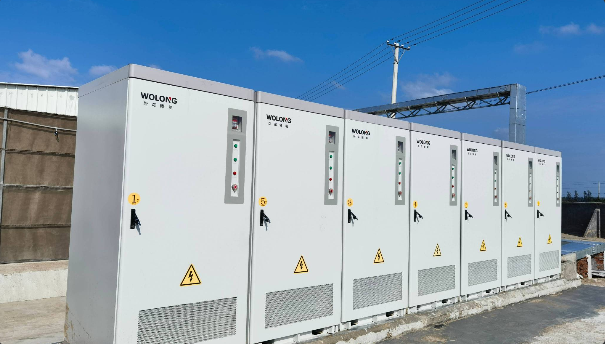
User-side energy storage provides a practical way to respond to these pricing differences. By storing electricity when costs are lower and using stored energy during expensive periods, facilities can improve energy management while gaining greater control over their power consumption.
The Principle Behind Peak-and-Valley Electricity Pricing
Many electricity markets use time-based pricing models, where electricity costs vary depending on demand levels. Peak periods usually occur when overall electricity consumption is high, while valley periods often have lower demand and reduced electricity prices.
For industrial and commercial users, operating equipment during peak pricing periods can significantly increase energy expenses. However, completely shifting production schedules is often unrealistic because many facilities require continuous operation.
Energy storage creates another option by allowing users to adjust when electricity is consumed without changing core production activities.
How User-Side Storage Changes Energy Consumption Patterns
User-side storage works by charging batteries when electricity is more affordable and discharging stored energy when electricity prices rise.
This approach helps facilities reduce dependence on high-cost grid electricity during peak hours. Instead of simply accepting changing electricity prices, users can actively manage their energy usage through storage.
With properly designed systems,renewable energy battery storage can also support facilities that combine renewable generation with energy management strategies, allowing clean electricity to be used more efficiently.
The Role of Industrial Battery Storage in Energy Cost Management
Industrial facilities often have high and predictable electricity demand, making them suitable candidates for storage applications. Large equipment, manufacturing processes, and continuous production lines can create significant peak demand pressure.
An industrial battery storage system helps manage these challenges by providing stored power during periods when electricity costs or demand charges are higher.
Beyond cost management, storage can also improve energy flexibility by helping facilities respond to changing electricity conditions and future energy requirements.
How Energy Storage Supports Renewable Energy Integration
Renewable energy sources such as solar power can generate electricity during specific periods, which may not always match facility consumption patterns.
Storage helps solve this timing challenge by capturing renewable electricity when generation is available and making it accessible when energy demand increases.
For businesses investing in renewable energy battery storage, combining renewable generation with storage technology creates a more flexible energy system that improves electricity utilization and reduces reliance on external power supply during high-demand periods.
How Our User-Side Storage Solutions Support Businesses
We provide energy storage solutions designed for user-side applications, helping industrial and commercial customers manage electricity more effectively.
Our solutions focus on coordinating battery systems, energy management technologies, and application requirements to support different operational scenarios. Whether the goal is reducing peak electricity costs, improving renewable energy usage, or increasing energy flexibility, system design plays an important role.
Through integrated storage solutions, we help customers create more efficient energy strategies that align with their operational needs.
Key Factors When Choosing an Industrial Energy Storage Solution
Selecting the right storage system requires consideration of several factors, including electricity consumption patterns, available installation space, power requirements, and future expansion plans.
For industrial applications, battery capacity and system reliability are especially important because storage systems must operate under demanding conditions and frequent charge-discharge cycles.
A suitable industrial battery storage solution should not only provide energy capacity but also support intelligent energy management and stable long-term operation.
The Business Value of Smarter Electricity Management
Energy storage allows businesses to move beyond traditional electricity consumption models. Instead of responding passively to changing electricity prices, facilities can use storage to actively manage energy timing.
This capability can improve cost control, increase energy flexibility, and support more sustainable operational strategies.
As electricity markets continue to evolve, user-side storage will become increasingly important for businesses seeking better control over their energy resources.
A More Flexible Approach to Industrial and Commercial Energy Use
Peak-and-valley electricity pricing creates both challenges and opportunities for energy users. With the right storage strategy, facilities can better align electricity consumption with pricing conditions while improving overall energy efficiency.
We develop energy storage solutions based on real operational requirements, combining system integration capabilities with practical application experience. With advanced ESS technologies and a focus on flexible energy management, at Wolong , we help customers build smarter user-side storage systems that support cost optimization and sustainable energy goals. Contact us to explore how our solutions can support your energy management needs.