


Growing electricity demand can create challenges for commercial and industrial facilities, especially when new equipment, production lines, or business operations require additional power capacity. Traditional solutions often involve expanding grid connections or upgrading electrical infrastructure, which may require significant investment, longer project timelines, and complex approval processes.
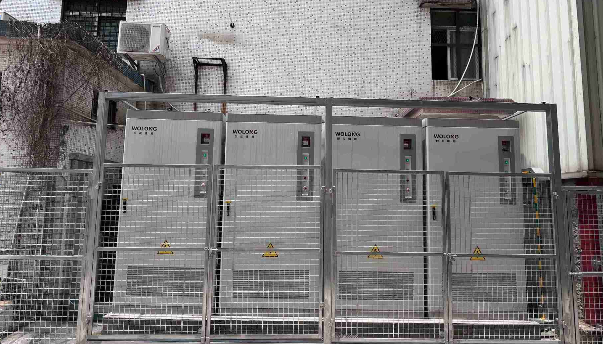
Energy storage provides an alternative approach by helping facilities manage electricity demand more efficiently. By storing energy during suitable periods and releasing it when demand increases, storage systems can reduce pressure on existing power capacity while improving overall energy flexibility.
Why User-Side Capacity Expansion Becomes a Challenge
When a facility’s electricity demand increases, the existing power supply infrastructure may no longer meet operational requirements. Expanding grid capacity can involve transformer upgrades, additional electrical equipment, and coordination with utility providers.
For many businesses, capacity expansion is not only a technical issue but also a planning challenge. The process may require additional costs, construction work, and time before the upgraded system becomes available.
Energy management solutions that optimize existing power resources can help facilities delay or reduce the need for immediate infrastructure expansion.
How Energy Storage Helps Manage Peak Electricity Demand
Energy storage reduces capacity pressure by controlling when electricity is drawn from the grid. During periods of lower demand or lower electricity prices, the system can charge and store energy.
When facility demand reaches higher levels, stored electricity can be discharged to provide additional power support. This reduces sudden increases in grid demand and helps maintain smoother electricity consumption patterns.
For businesses using renewable energy battery storage, energy management becomes more flexible because stored renewable electricity can also contribute to reducing dependence on grid power during peak periods.
The Role of Commercial Solar Energy Storage in Capacity Management
Commercial facilities often install solar systems to generate clean electricity, but solar output does not always match operational demand. Electricity generation may be highest during daytime hours, while demand patterns can vary depending on business activities.
Combining solar generation with commercial solar energy storage allows facilities to capture excess solar power and use it when electricity demand increases.
This approach improves renewable energy utilization while helping businesses manage power requirements without relying only on additional grid capacity.
Reducing Pressure on Electrical Infrastructure
Electrical infrastructure is designed based on expected power demand levels. When demand rises significantly, existing equipment may experience greater operating pressure.
Energy storage provides another method of balancing electricity flow. Instead of increasing grid demand during short periods of high consumption, facilities can use stored energy to reduce the impact on transformers, distribution systems, and other electrical assets.
This helps improve the efficiency of existing infrastructure and provides more flexibility for future energy needs.
How Our Energy Storage Solutions Support User-Side Applications
We provide energy storage solutions designed to help commercial and industrial users optimize electricity management. Our solutions consider factors such as energy consumption patterns, renewable integration, and operational requirements.
By combining battery systems, intelligent control technologies, and application-focused design, we help customers improve energy flexibility without relying solely on large-scale infrastructure upgrades.
For facilities exploring renewable energy battery storage, our solutions provide a practical way to balance renewable generation, electricity demand, and long-term energy management goals.
Key Considerations When Selecting a Storage Solution
Choosing an energy storage system requires careful analysis of electricity usage, peak demand periods, available installation space, and future expansion plans.
A suitable system should match the facility’s actual energy profile rather than simply provide additional storage capacity. Factors such as charging strategy, discharge timing, and integration with existing electrical systems all influence performance.
For businesses considering commercial solar energy storage, selecting the right system design is essential for achieving both energy efficiency and operational reliability.
Energy Storage as a Flexible Alternative to Immediate Expansion
Capacity expansion remains an important option for facilities with long-term increases in electricity demand. However, energy storage provides additional flexibility by helping businesses make better use of existing power infrastructure.
By reducing peak demand pressure and improving energy scheduling, storage systems can support more efficient electricity management while creating opportunities for future growth.
As energy requirements continue to change, flexible storage solutions will become an increasingly valuable part of modern commercial and industrial power strategies.
A Smarter Approach to Managing Future Energy Demand
Energy storage offers a new way for commercial and industrial users to manage increasing electricity demand without immediately relying on extensive grid upgrades. By balancing energy flow and optimizing power usage, storage systems create additional flexibility for modern facilities. We apply our experience in ESS design and system integration to deliver solutions that meet real operational challenges, and Wolong continues to support customers pursuing smarter energy management strategies.