


Solar and wind power provide clean electricity, but their generation patterns do not always match electricity demand. Solar output is usually strongest during daylight hours, while wind generation can change depending on weather conditions. These variations can make it difficult to use renewable electricity efficiently without additional energy management solutions.
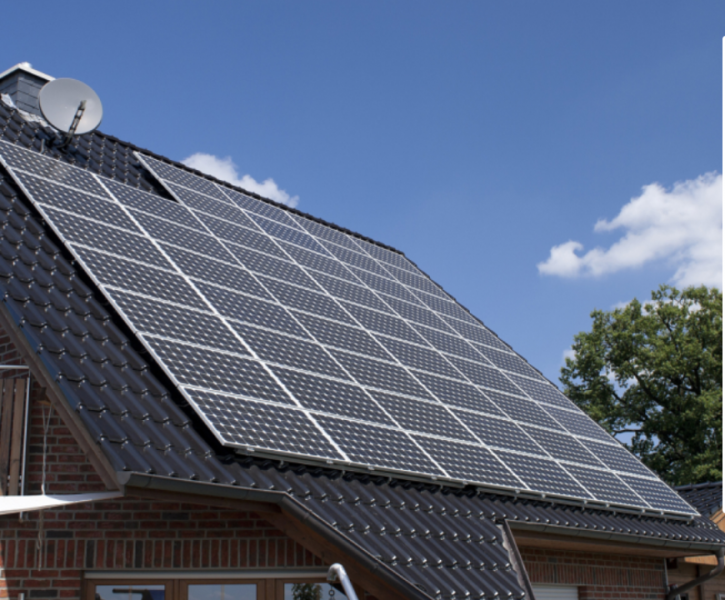
Energy storage helps solve this challenge by capturing excess renewable power and making it available when needed. By combining storage technology with renewable generation, we can improve energy utilization, reduce energy waste, and create a more flexible power system.
The Challenge of Managing Solar and Wind Generation
Renewable energy sources produce electricity based on natural conditions rather than fixed schedules. A solar project may generate more electricity than needed during sunny periods, while wind farms may experience changes in output as weather conditions shift.
Without effective management, some renewable electricity may not be fully utilized. Grid limitations, demand fluctuations, and timing differences between generation and consumption can all affect renewable energy performance.
Energy storage provides a way to manage these differences by creating a connection between electricity production and actual energy demand.
How Renewable Energy Battery Storage Improves Energy Utilization
Battery storage allows renewable electricity to be stored when generation is higher than immediate consumption. The stored energy can then be released when renewable output decreases or demand increases.
This approach improves the flexibility of renewable energy systems by shifting electricity availability from one period to another.
For projects using renewable energy battery storage, the goal is not only to store power but also to improve the overall efficiency of renewable energy use. Storage enables solar and wind resources to contribute more consistently to energy supply.
The Role of ESS in Solar and Wind Integration
An energy storage system connects renewable generation with practical energy requirements. It manages charging and discharging processes while supporting stable electricity delivery.
For solar projects, storage can capture excess daytime generation and provide electricity during evening demand periods. For wind projects, storage can help balance changes in output caused by weather variations.
By improving the coordination between renewable sources and electricity consumption, ESS technology helps create a more reliable renewable energy system.
How We Support Flexible Renewable Energy Applications
We provide ESS solutions designed for renewable energy integration, grid support, and different user-side applications. Our solutions combine battery technology, system management capabilities, and practical project experience.
By considering renewable generation patterns and energy usage requirements together, we help customers develop storage systems that match their operational goals.
As one of the key solar battery storage companies focused on energy innovation, we understand that successful renewable projects require more than battery capacity. Effective system design and integration are equally important for achieving long-term value.
Why Storage Is Important for Future Renewable Energy Growth
As solar and wind capacity continues to expand, energy systems need greater flexibility to manage variable electricity generation. Traditional power networks were mainly designed around predictable generation patterns, while renewable sources introduce new operational challenges.
Storage provides a fast-response solution that helps balance supply and demand. It allows renewable electricity to be used more effectively and supports smoother integration into existing energy infrastructure.
For businesses and energy developers working with renewable projects, selecting experienced solar battery storage companies can help ensure that storage systems are designed for real-world application requirements.
The Connection Between Energy Storage and Energy Independence
Energy storage gives renewable energy users more control over how and when electricity is used. Instead of depending only on immediate generation conditions, users can store available renewable power and access it when required.
This flexibility can support various applications, including renewable integration, peak demand management, and improved energy reliability.
By combining renewable generation with storage technology, energy systems become more adaptable to changing electricity needs and future expansion.
Key Factors When Choosing a Renewable Energy Storage Solution
Selecting the right storage solution requires evaluating several factors, including project scale, electricity demand, renewable generation patterns, and operational requirements.
A suitable ESS should provide reliable performance while supporting efficient energy management. System compatibility, safety design, and intelligent control functions are also important considerations.
A complete storage solution should help users maximize renewable energy value while maintaining stable and efficient operation.
A More Efficient Path for Renewable Power Utilization
The future of renewable energy depends on how effectively we can manage variability and maintain stable power availability. By combining storage technology with renewable generation, we can improve energy utilization and create more adaptable power systems. We continue to apply our ESS capabilities to real-world projects, and Wolong provides the technical foundation needed for more efficient renewable energy integration.