


Energy storage is no longer limited to a single application scenario. As renewable energy expands and electricity systems become more complex, storage technology is being used at different points across the power chain. From supporting renewable generation to improving grid flexibility and helping businesses manage electricity demand, energy storage provides different solutions for different energy challenges.
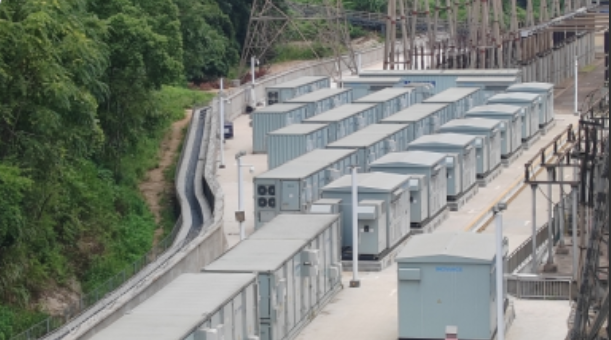
Understanding where storage is applied helps project developers and energy users choose the right system approach. Generation-side, grid-side, and user-side storage each address specific operational needs while working together to create a more flexible energy ecosystem.
Generation-Side Storage Supports Renewable Power Management
Renewable energy generation is naturally affected by weather conditions. Solar output changes with sunlight availability, while wind power varies according to weather patterns. These fluctuations can make it difficult to match renewable generation with electricity demand.
Generation-side storage helps manage this challenge by storing excess electricity when renewable output is high and releasing energy when additional support is required.
For renewable projects, renewable energy battery storage provides a way to improve power utilization and reduce the impact of generation variability. By adding storage near generation assets, operators can better control energy output and improve renewable integration.
Grid-Side Storage Improves Power System Flexibility
The grid needs to maintain a continuous balance between electricity supply and consumption. As renewable energy penetration increases, maintaining this balance requires faster and more flexible response capabilities.
Grid-side energy storage supports grid operations by adjusting electricity flow according to system requirements. It can help with applications such as frequency regulation, peak management, and renewable energy smoothing.
By acting as a flexible energy resource, storage helps grid operators respond more effectively to changing power conditions and maintain stable electricity delivery.
User-Side Storage Helps Optimize Energy Consumption
Commercial and industrial users often face challenges related to electricity costs, demand peaks, and changing energy requirements. User-side storage allows businesses to manage when electricity is stored and when it is consumed.
For example, facilities can charge storage systems during lower-cost periods and use stored electricity during peak pricing periods. This approach helps optimize electricity expenses while improving energy management flexibility.
With commercial solar energy storage, businesses can also store excess solar power generated during the day and use it when electricity demand increases.
How the Three Storage Applications Work Together
Although generation-side, grid-side, and user-side storage serve different purposes, they are connected through the same goal: improving energy flexibility.
Generation-side storage focuses on managing renewable output. Grid-side storage supports overall power system stability. User-side storage helps businesses control electricity usage and improve operational efficiency.
Together, these applications create a more balanced energy system where electricity can be managed more intelligently from production to consumption.
Our Approach to Different Energy Storage Scenarios
We develop ESS solutions designed for different application environments, including renewable energy projects, grid support applications, and commercial or industrial facilities.
Each scenario requires different considerations. Large-scale projects may prioritize grid response and long-term reliability, while commercial users may focus on energy cost management and renewable utilization.
By analyzing specific operational requirements, we help customers select storage solutions that match their energy goals.
The Role of Battery Storage in Renewable Energy Development
As renewable energy continues to grow, the ability to manage electricity effectively becomes increasingly important. Storage provides the flexibility needed to overcome the difference between when electricity is generated and when it is required.
For projects involving renewable energy battery storage, storage technology helps transform variable renewable power into a more controllable energy resource.
This capability supports cleaner energy systems while improving the reliability of electricity supply.
Commercial Applications and Solar Energy Integration
Businesses are increasingly looking for ways to improve energy efficiency and reduce dependence on traditional electricity sources. Solar generation combined with storage provides an effective approach for managing renewable electricity.
Through commercial solar energy storage, companies can increase the value of solar installations by using stored electricity beyond the time of generation.
This creates more opportunities for businesses to improve renewable energy utilization while maintaining stable daily operations.
Selecting the Right Storage Solution for Future Needs
Different energy storage projects require different technical approaches. Factors such as project scale, electricity demand, renewable generation patterns, and operating conditions all influence system design.
A suitable solution should not only meet current requirements but also provide flexibility for future energy changes.
With the continued development of renewable energy, storage will play an increasingly important role across generation, grid, and user-side applications.
Building a More Flexible Energy System Across Multiple Applications
Energy storage creates value at every stage of the electricity process. It helps renewable projects manage variable output, supports grids with faster response capabilities, and enables users to optimize their energy consumption.
We continue to develop ESS solutions that connect different energy applications through reliable technology and practical system design. With experience across multiple storage scenarios, Wolong supports customers in creating more adaptable energy systems that meet the changing demands of the future.