


Energy storage systems are not built around batteries alone. To deliver stable power output and efficient energy management, battery systems must work together with power electronics, control platforms, and system integration technologies. The connection between these components determines how effectively stored energy can be converted, managed, and delivered.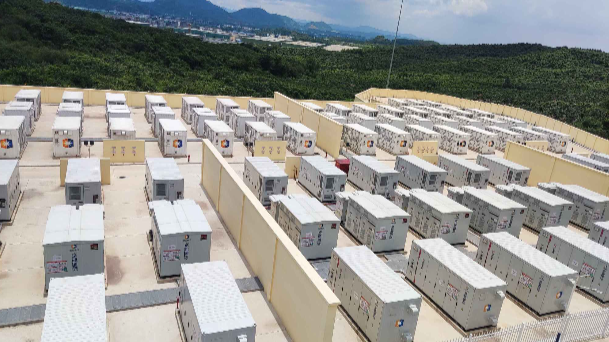
We focus on combining battery capabilities with power electronics to create storage systems that respond to different energy requirements. This integrated approach helps improve efficiency, operational flexibility, and reliability across various applications, including renewable energy projects and commercial power management.
Power Electronics Creates the Connection Between Batteries and the Grid
Battery cells store electrical energy, but they cannot directly provide the voltage, frequency control, and power quality required by most applications. Power electronics act as the bridge between battery systems and external power networks.
Through components such as power conversion systems, stored electricity can be transformed into usable power according to grid or user requirements. This allows energy storage systems to manage charging, discharging, and energy flow more effectively.
When we develop energy storage solutions, we consider power conversion as a key element because it directly affects how efficiently stored energy can be utilized.
Battery Systems Provide the Foundation for Energy Storage Performance
While power electronics control energy flow, battery systems determine storage capacity, cycling capability, and overall system availability. The performance of batteries influences how much energy can be stored and how frequently the system can operate.
Battery management systems help monitor important parameters such as voltage, current, and temperature. These functions allow us to maintain safer operation and improve battery utilization.
For renewable applications, properly integrated solar energy storage systems rely on the coordination between battery performance and intelligent control technologies to maximize the value of generated electricity.
System Integration Improves Overall Energy Management
Combining battery systems and power electronics requires careful system integration. Different components must communicate effectively to ensure stable operation under changing conditions.
We evaluate factors such as application requirements, power demand, installation environment, and operating patterns when designing storage systems. This allows different technologies to work together as a complete solution rather than as separate components.
Through integrated energy storage solutions, we help customers manage electricity more efficiently while supporting different energy scenarios, from renewable generation to industrial applications.
Intelligent Control Helps Optimize Storage Operation
Modern energy storage systems depend on intelligent monitoring and control to maintain reliable performance. Digital platforms collect operational data and provide information about system conditions.
By analyzing battery status, power output, and energy usage patterns, control systems can optimize charging and discharging strategies. This improves system efficiency while supporting safer long-term operation.
For advanced solar energy storage systems, intelligent control is especially important because renewable generation often changes throughout the day. Effective management allows stored energy to be used when it creates the greatest value.
Integrated Technology Supports Different Application Scenarios
Energy storage needs vary depending on where the system is deployed. Utility-scale projects may require large capacity and grid support, while commercial and industrial users may focus on energy cost management and operational flexibility.
A combined approach involving batteries, power electronics, and system controls allows storage systems to adapt to these different requirements.
We design solutions based on real application conditions, ensuring that each system configuration matches the technical and operational goals of the project.
The Value of Combining Battery and Power Electronics Expertise
The future of energy storage depends on more than increasing battery capacity. Reliable performance requires coordination between energy storage components, power conversion technologies, and intelligent management systems.
By connecting battery systems with advanced power electronics, we create storage platforms that can respond more effectively to changing energy demands. This integration helps improve efficiency, reliability, and flexibility throughout the system lifecycle.
As renewable energy continues to expand, this combination will become increasingly important for building more adaptable power systems.
Integrated Energy Storage Technology for Future Power Needs
We continue to develop storage systems that bring together battery technology, power electronics, and application-focused engineering. Our goal is to help customers achieve more reliable energy management through solutions designed for real-world operating conditions.
With our experience in energy storage development, manufacturing capabilities, and global energy applications, Wolong works with customers to create advanced storage systems that connect renewable energy, battery performance, and intelligent power management.