


Renewable power generation depends heavily on natural conditions, which means electricity output from sources such as solar and wind can change throughout the day. While clean energy provides significant environmental benefits, these variations can create challenges for maintaining a stable balance between electricity generation and consumption.
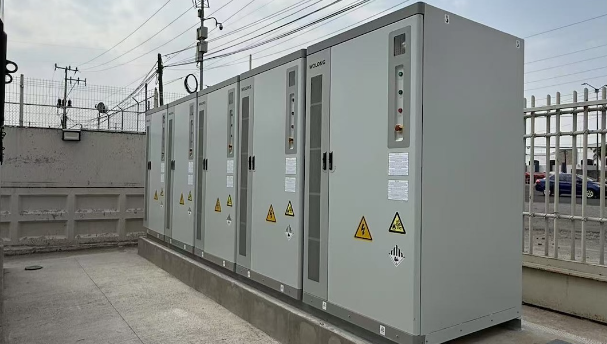
Grid energy storage provides a practical way to manage these changes. By storing electricity when renewable generation is high and releasing it when demand or grid conditions require support, storage systems help make renewable power more predictable and easier to manage.
Renewable Power Needs More Flexible Management
Solar and wind resources do not always generate electricity at the same time users need it. Solar output is usually strongest during the day, while electricity demand may increase during evening hours. Wind generation can also change according to weather conditions.
Without additional flexibility, these fluctuations may affect how efficiently renewable energy can be integrated into the power system.
We use grid energy storage systems to help address this challenge by creating a buffer between renewable generation and electricity demand. This allows power operators to adjust energy flow more effectively and improve overall system flexibility.
Energy Storage Helps Balance Supply and Demand
One of the main functions of grid-scale storage is balancing electricity supply and demand. When renewable generation exceeds immediate consumption, excess electricity can be stored instead of being wasted.
When electricity demand rises or renewable output decreases, stored energy can be released to support the grid.
Through advanced energy storage solutions, we help create a more adaptable power structure where renewable electricity can be used more efficiently across different time periods.
Fast Response Supports Grid Stability
Traditional power generation sources often require time to adjust output, while battery-based storage systems can respond much faster to changing conditions.
This fast response capability makes storage valuable for applications such as frequency regulation, peak management, and renewable energy smoothing. By quickly adjusting charging and discharging operations, storage systems can provide additional support when grid conditions change.
For modern power networks, grid energy storage systems offer a flexible resource that helps maintain reliable operation while increasing renewable energy participation.
Intelligent Control Improves Storage Performance
A storage system requires more than battery capacity to operate effectively. Intelligent monitoring and control technologies are essential for managing energy flow, system status, and operational efficiency.
Through real-time data analysis, storage systems can determine when to store electricity and when to release it based on grid requirements. This improves system coordination and helps maximize the value of stored energy.
We integrate intelligent management into our energy storage solutions to support more efficient operation across different renewable energy applications.
Storage Creates More Value for Renewable Energy Projects
Renewable energy projects benefit when generated electricity can be controlled according to actual system needs. Storage helps extend the usefulness of renewable power by reducing the gap between generation time and consumption time.
For example, solar electricity generated during periods of strong sunlight can be stored and used later when demand increases. Wind power can also be managed more effectively by using storage to smooth output variations.
This ability makes renewable generation more flexible and supports a more balanced energy system.
Different Applications Require Different Storage Approaches
Grid storage projects vary in size, purpose, and operating conditions. Some projects focus on renewable integration, while others support grid stability or peak demand management.
We evaluate factors such as power requirements, project environment, and operational goals when developing storage solutions. This approach helps ensure that each system is designed for its intended application.
By combining engineering knowledge with practical project experience, we help customers develop storage systems that provide reliable performance throughout their operating lifecycle.
Making Renewable Electricity More Flexible Through Storage
The growth of renewable energy requires new ways to manage electricity generation and consumption. Storage provides the flexibility needed to transform variable renewable power into a more controllable energy resource.
By improving energy scheduling, supporting grid stability, and increasing renewable utilization, storage systems play an important role in future power development.
We focus on creating practical storage solutions that connect renewable generation with real energy needs. With capabilities in technology development, manufacturing, and system integration, Wolong works with customers to build more flexible energy systems that support the transition toward cleaner and more reliable power.