


Energy storage systems are built from many interconnected components, and every stage from material selection to final delivery can influence long-term performance. As storage projects become larger and more demanding, manufacturers need clear visibility into production processes, component information, and quality control records.
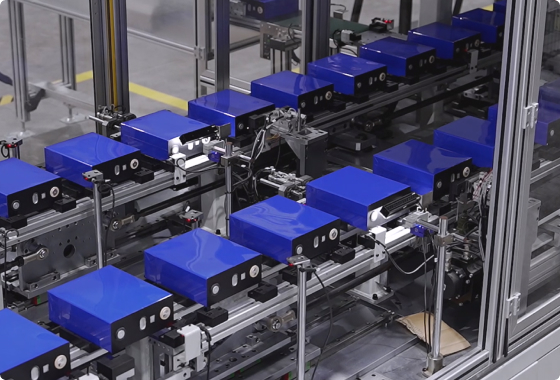
Full-lifecycle traceability provides this visibility by creating a complete record of how products are developed, manufactured, tested, and delivered. We use traceability as an important part of manufacturing management because it helps improve quality consistency, production transparency, and system reliability.
Traceability Starts with Controlled Manufacturing Processes
A reliable energy storage system depends on consistent manufacturing at every stage. From incoming materials to assembly procedures, each step requires effective monitoring and documentation.
By maintaining detailed production records, we can better understand component conditions, manufacturing processes, and quality results throughout the product lifecycle.
For advanced renewable energy storage technology, traceability is not only a quality management method but also a foundation for improving confidence in long-term system operation.
Material Management Supports Product Consistency
Energy storage systems include critical components such as battery modules, electrical equipment, control systems, and structural parts. The quality of these materials directly affects system performance.
Through structured material management, manufacturers can track supplier information, inspection results, and production usage records. This makes it easier to identify potential issues and maintain consistent product standards.
When we develop solar energy storage solutions, we pay close attention to the relationship between material control and final system performance.
Production Data Improves Quality Control
Modern energy storage manufacturing requires more than manual inspection. Digital production systems allow manufacturers to collect and analyze information throughout the manufacturing process.
Production data can include assembly records, testing results, equipment parameters, and quality inspection information. These records provide a clearer understanding of each system’s manufacturing history.
By applying digital management methods, we strengthen quality control for renewable energy storage technology and support more reliable product delivery for different application scenarios.
Testing and Verification Strengthen Reliability
Before energy storage systems are delivered, comprehensive testing helps confirm that products meet required performance and safety standards.
Testing processes may include electrical performance checks, system functionality verification, and operational assessments. Traceability ensures that testing results can be connected with specific products and production records.
This approach allows us to maintain better control over system quality and provide customers with greater confidence in their energy storage investments.
Lifecycle Management Supports Long-Term Operation
Traceability does not end when a product leaves the factory. During operation, maintenance records and performance data can provide valuable information for future service and system optimization.
By tracking system history throughout its lifecycle, operators can better understand equipment conditions and plan maintenance activities more effectively.
For customers investing in solar energy storage solutions, lifecycle visibility helps create a clearer connection between manufacturing quality and long-term operational value.
Manufacturing Transparency Builds Customer Confidence
Large-scale energy storage projects require reliable suppliers that can demonstrate strong manufacturing capabilities and quality management practices.
Full-lifecycle traceability provides transparency by showing how products are produced, tested, and managed. This is especially important for energy projects where reliability, safety, and operational continuity are key considerations.
We believe transparent manufacturing processes help create stronger partnerships and support the successful deployment of energy storage systems across different markets.
Quality Management Behind Reliable Energy Storage
The value of an energy storage system depends not only on its technology but also on the discipline behind its manufacturing process. Traceability connects materials, production, testing, and service into one complete management system.
By maintaining visibility across the entire product lifecycle, we can improve quality consistency and support more dependable energy storage applications.
With our experience in energy storage manufacturing, technology development, and global project support, at Wolong, we help customers build reliable energy systems through advanced production management and comprehensive quality practices.