


Procurement professionals often focus heavily on battery cell chemistry and capacity warranties when analyzing utility-scale capital expenditures. Capital allocation decisions frequently overlook secondary hardware infrastructure required to make those cells operational safely.
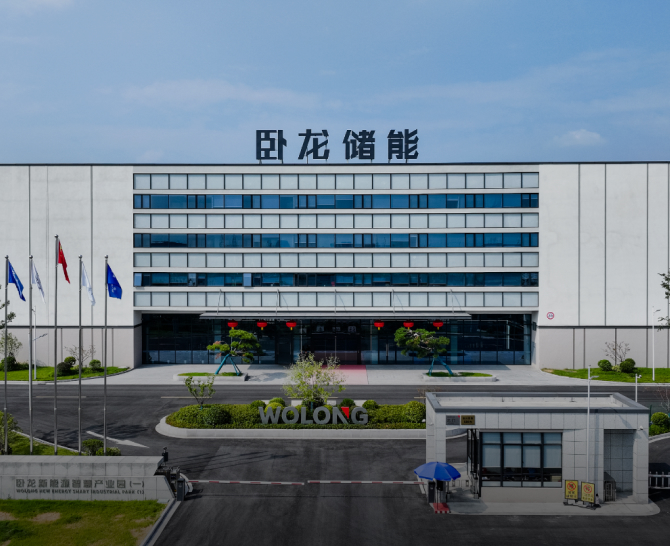
Understanding non-battery capital outlay remains critical for accurate budget forecasting across modern grid projects. At Wolong, we recognize that industrial stakeholders require deep clarity on auxiliary equipment before signing multi-million dollar supply contracts.
The Hidden Costs Beyond Battery Cells
Many buyers mistakenly assume that purchasing individual modules covers all operational necessities on site without consulting an experienced ESS provider. Neglecting secondary infrastructure leads to severe engineering bottlenecks during construction and grid interconnection phases.
Industrial developers must evaluate auxiliary components with the same rigorous standards applied to core electrochemical storage assets. Comprehensive oversight prevents costly retrofits after equipment arrives at remote project locations.
Defining the True Scope of Balance of System Beyond the Batteries
Balance of system encompasses every hardware and software element required to support energy storage modules. Facility operators rely on this broader ecosystem to bridge raw battery output with grid transmission lines effectively.
Hardware boundaries extend past simple containment units to include complex power conditioning architecture and environmental controls. Defining these physical parameters protects asset owners from unexpected scope gaps during contract negotiations.
Securing reliable energy storage solutions demands comprehensive familiarity with auxiliary electrical and mechanical assets. Project planners must map out interface points between DC storage racks and AC distribution points carefully.
Industrial sites demand robust enclosures capable of withstanding extreme ambient temperatures and moisture intrusion without degrading internal components. Neglecting these physical interfaces invites premature system failure long before warranty periods expire, resulting in costly downtime.
Core Subsystems That Make Up a Complete Project Delivery
Power conversion systems form the primary bridge translating direct current into stable alternating current. Engineers integrate bidirectional inverters alongside harmonic filters to meet strict utility interconnection standards.
High-voltage transformers step voltage levels up to match local grid transmission requirements seamlessly. Equipment efficiency ratings directly impact overall round-trip efficiency across commercial operating cycles.
Thermal management networks regulate internal container temperatures to safeguard electrochemical longevity and performance. Liquid cooling loops or forced-air circulation systems prevent thermal runaway risks in dense utility enclosures.
Safety apparatuses include advanced aerosol fire suppression units designed for rapid containment in remote environments. Regulatory compliance mandates strict adherence to localized fire codes and safety certifications.
Energy management controllers coordinate real-time data flows across every distinct auxiliary hardware subsystem. Software platforms optimize charging schedules according to shifting wholesale electricity tariffs and grid demand signals.
Qualified ESS provider teams configure these digital layers to ensure seamless communication with external dispatch centers, maximizing overall grid responsiveness.
Why Procurement Teams Underestimate Integration Complexities
Sourcing hardware from multiple vendors creates severe interoperability hurdles during on-site assembly phases. Communication protocols frequently mismatch between inverters, battery management units, and facility controllers.
Technical discrepancies trigger recurring communication faults that halt commercial operations unexpectedly. Streamlined procurement strategies minimize integration risks by consolidating equipment sourcing under experienced engineering partners.
Here at Wolong, we deliver fully integrated architectures designed to eliminate fragmented vendor dependencies completely. Our teams provide industrial facilities with pre-assembled containerized setups engineered for rapid deployment.
Factory-tested integration reduces field wiring errors and shortens overall construction timelines significantly. Project buyers gain operational confidence when auxiliary hardware arrives pre-validated as a unified package.
Engineers often overlook civil works and medium-voltage cabling requirements within initial budget estimates. Concrete pad specifications, trenching depth, and enclosure weight distributions demand precise structural planning.
Unanticipated civil engineering hurdles inflate capital expenditures and delay commercial operation dates. Comprehensive site assessments protect project margins from surprise infrastructure expenses.
Evaluating Hardware Compatibility and System Reliability
Selecting robust energy storage solutions requires rigorous examination of component durability certifications. Industrial operators must verify that auxiliary hardware carries appropriate regional electrical listings and seismic ratings.
Salt-fog testing certificates matter immensely for installations near coastal environments or heavy industrial corridors. Vendor transparency regarding component data sheets prevents costly surprises during commissioning audits.
Maintenance accessibility dictates long-term operational expenditure profiles throughout the asset lifecycle. Technicians require sufficient clearance inside enclosures to service switchgear and thermal pumps safely.
Service-friendly layouts reduce mean time to repair during unexpected component outages. Operational continuity directly influences overall return on investment for commercial asset owners.
As Wolong, we prioritize ergonomic enclosure design to simplify routine maintenance and emergency inspections. Our engineers ensure field technicians access critical control panels and breaker compartments without negotiating restrictive spatial constraints.
Such design choices lower long-term service costs while enhancing worker safety on site. Reliability engineering extends far beyond cell chemistry into every mechanical connection point.
Partnering with a capable ESS provider ensures continuous technical support throughout all operational phases. Commercial buyers should evaluate vendor responsiveness and spare parts availability before finalizing supply agreements.
Long-term service level agreements guarantee rapid replacement of auxiliary parts when failures occur. Partnership stability safeguards project investments against sudden market volatility or supplier bankruptcy.
From Component Pricing to Total System Cost
Final capital allocation decisions depend heavily on thorough comprehension of non-battery infrastructure costs when procuring modern energy storage solutions. Project stakeholders must look beyond initial cell pricing to evaluate total system integration expenses.
Rigorous vendor evaluation safeguards commercial portfolios from unbudgeted capital outflows and operational delays. Comprehensive planning guarantees sustainable performance across decades of continuous grid service.