


Choosing how to procure an industrial power installation shapes every phase of a project lifecycle. Developers often face a critical choice between purchasing unbundled components separately or partnering with an integrator for a complete package.
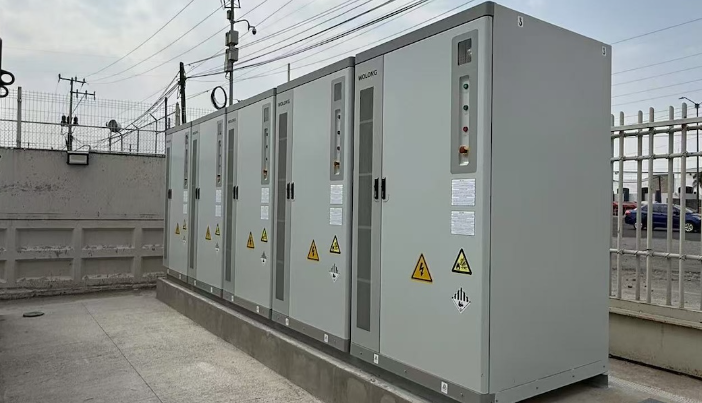
At Wolong, we believe understanding these distinct project scopes helps technical teams avoid costly operational pitfalls from day one. Proper evaluation ensures long-term grid stability and protects initial capital investments across diverse operating environments.
Navigating the Administrative Complexities of Unbundled Procurement
Procuring separate hardware components for complex industrial energy projects often shifts heavy operational burdens directly onto internal engineering teams. Buying standalone battery racks, inverters, and switchgear from different vendors introduces massive coordination hurdles during site preparation and layout planning.
Managing multiple vendor timelines frequently strains administrative resources and delays preliminary project planning phases significantly across the board. Sourcing unbundled hardware forces project managers to juggle distinct delivery windows and intricate contractual terms without centralized oversight.
Any shipping delay from a single component manufacturer cascades through the entire construction schedule, inflating storage and holding costs exponentially. Engineering groups spend countless hours reconciling mismatched delivery dates instead of focusing on core site layout optimization tasks.
Fragmented contracts also complicate financial oversight by hiding true acquisition expenses behind seemingly attractive component-level price tags. Hidden fees emerge quickly when ancillary parts or critical firmware licensing requirements are left out of initial invoices.
Technical Friction Points in Component-Level Sourcing
Mismatched communication protocols between unbundled units complicate factory testing and extend on-site commissioning timelines significantly across large industrial sites. When equipment from different manufacturers fails to handshake properly during initial power-up sequences, troubleshooting becomes an expensive guessing game.
Project developers bear the heavy financial weight of every hour lost bridging technical gaps between disparate sub-assemblies. Digital interfaces frequently require custom translation gateways or specialized on-site software patches to function correctly.
These custom workarounds introduce vulnerability points that can compromise system-wide stability during severe grid frequency fluctuations or sudden load shifts. Technicians face steep learning curves when diagnosing faults across complex multi-vendor ecosystems lacking unified diagnostic software tools.
Factory acceptance testing becomes nearly impossible at the system level when individual parts are manufactured and shipped separately. Without a unified pre-shipment evaluation process, integration flaws remain hidden until heavy equipment is securely bolted down.
The Engineering Framework of Full-Scope System Integration
Opting for a holistic integration approach eliminates interface gaps by bundling power conversion hardware and battery modules into a unified operating unit. At Wolong, our specialized engineering teams pre-test all electrical, thermal, and digital interfaces prior to final factory dispatch.
This rigorous pre-assembly minimizes on-site wiring errors and accelerates grid connection timelines for renewable assets significantly. Factory-integrated architectures undergo strict functional verification under simulated operating conditions before leaving the facility.
This proactive testing regimen eliminates unexpected field modifications and protects tight project execution schedules from costly delays. Coordinated thermal management and smart power electronics work in seamless harmony from the first charge cycle.
Developing reliable energy storage solutions requires deep technical synergy across power electronics and electrochemistry domains. When a single expert engineering group oversees both software control loops and hardware architecture, overall system efficiency reaches optimal levels.
Single-Source Responsibility and Comprehensive Warranty Coverage
Fragmented supply chains leave operators vulnerable to prolonged downtime when diagnostic responsibilities are split between multiple manufacturing entities. If a fault occurs, arguing over component liability between the inverter vendor and the battery pack supplier can stall repairs for weeks.
Single-source supply models completely bypass this administrative friction by establishing clear accountability for every single bolt. Warranty claims become exceptionally convoluted when equipment failures cross boundaries between different manufacturer supply agreements.
Manufacturers often blame each other for interface failures, leaving the asset owner stranded without immediate technical support or financial compensation. Unified project scopes eliminate finger-pointing by placing full performance guarantees under one trusted provider.
Working with an experienced energy storage system company provides single-source accountability that protects project profitability throughout the lifecycle. Comprehensive design packages streamline installation while safeguarding asset performance against unexpected field anomalies.
Strategic Decision-Making for Modern Utility and C&I Projects
Balancing capital expenditure against long-term operational risk defines the ultimate selection decision for asset owners across the renewable sector. Upfront equipment costs represent only a fraction of total lifetime expenses if poor integration leads to chronic maintenance overhead.
Investing in pre-engineered deployment strategies reduces long-term operational expenditure and secures predictable financial returns. Asset developers must look beyond initial hardware price tags to evaluate true total cost of ownership accurately.
Aligning project execution strategies with the right delivery model ensures maximum uptime and sustained operational profitability across all installations. We at Wolong provides advanced energy storage solutions tailored to meet demanding reliability metrics of modern operators.
Proper scoping at the outset ultimately guarantees reliable grid support and protects capital investments against technical liabilities. Selecting a trusted energy storage system company empowers project developers to scale clean energy assets with complete confidence.
Maximizing return on investment requires careful evaluation of long-term operational expenditure alongside initial capital outlays. Modern industrial grids demand resilient assets that withstand frequent charge-discharge cycling without suffering catastrophic degradation.
Deploying certified energy storage solutions ensures that project stakeholders achieve their financial and environmental targets. Partnering with a proven energy storage system company provides the technical foundation necessary for enduring long-term success.