


Renewable energy generation does not always happen at the same time as electricity demand. Solar power, for example, often reaches its highest output around midday when sunlight is strongest, while electricity consumption may increase later in the evening when households, businesses, and industrial facilities require more power.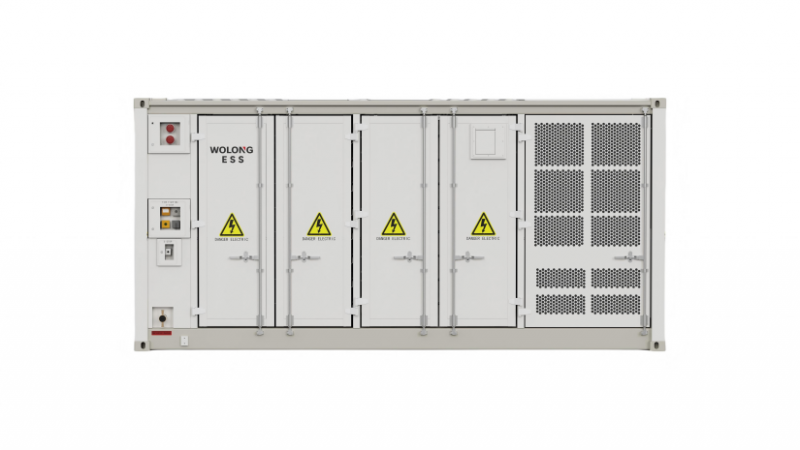
This timing difference creates a challenge for renewable energy utilization. Without effective management, some generated electricity may not be fully used when production is high. Through utility-scale storage of renewable energy, excess renewable power can be captured during peak generation periods and released when demand rises, improving energy flexibility and utilization.
The Challenge of Renewable Energy Timing Differences
Solar and wind resources provide clean electricity, but their generation patterns depend on natural conditions. Solar projects typically produce the most electricity during daytime hours, while electricity demand often reaches higher levels in the evening.
This mismatch between renewable generation and energy consumption can create pressure on power systems. Grid operators need flexible solutions that can balance electricity availability across different time periods.
Energy storage helps solve this issue by separating the timing of power generation from the timing of electricity use. It allows renewable energy produced during one period to support demand during another.
How Renewable Energy Storage Shifts Power Availability
The basic concept behind renewable energy storage is simple: store electricity when renewable generation exceeds immediate demand and release it when additional power is required.
For a solar energy project, midday electricity production can be directed into a storage system instead of being delivered entirely to the grid. Later in the evening, when solar generation decreases but electricity demand remains high, the stored energy can be discharged.
This process improves the connection between renewable generation and actual power needs. Utility-scale storage of renewable energy enables large energy projects to make renewable electricity available across a wider range of operating hours.
The Role of Utility-Scale Energy Storage in Renewable Integration
Large renewable energy projects require storage systems that can manage significant amounts of electricity while maintaining reliable operation. A suitable solution must support efficient energy conversion, intelligent control, and long-term system stability.
Utility-scale energy storage provides the flexibility needed to manage renewable fluctuations and optimize energy delivery. It helps reduce the limitations caused by changing weather conditions and allows renewable power to contribute more consistently to the grid.
Beyond time shifting, large-scale storage can support other applications, including peak management, grid balancing, and improved renewable energy utilization.
How Our Utility-Scale ESS Supports Midday-to-Evening Energy Shifting
Our utility-scale ESS solution is designed to support renewable energy projects that require flexible power management. By combining advanced battery technology, intelligent control systems, and integrated system design, our solution helps store renewable electricity when generation is high and deliver it when demand increases.
The system uses a modular architecture that allows flexible configuration according to different project requirements. This design supports efficient deployment while helping customers develop storage solutions suitable for various renewable energy scenarios.
Through intelligent monitoring and energy management functions, our system helps operators track performance, optimize charging and discharging schedules, and improve overall energy efficiency.
Key Factors for Reliable Renewable Energy Storage
Successful energy shifting depends on more than simply storing electricity. Storage systems must maintain stable performance throughout frequent charge and discharge cycles while operating under different environmental conditions.
Important factors include battery safety, thermal management, system control, and operational reliability. These elements work together to ensure that stored renewable energy can be delivered effectively when needed.
Our approach focuses on integrating these technologies into a complete energy storage solution. By combining hardware reliability with intelligent management capabilities, we support stable operation for large renewable energy applications.
Benefits of Storing Renewable Energy for Evening Demand
Using stored renewable energy during evening periods provides several advantages. It helps improve renewable energy utilization by reducing the gap between generation time and consumption time.
For grid operators, energy storage creates additional flexibility when managing electricity supply. For renewable project developers, it can increase the value of generated power by making renewable electricity available beyond the original generation period.
As renewable energy capacity continues to expand, flexible storage solutions will become increasingly important for creating more balanced and resilient power systems.
A Practical Path Toward More Flexible Renewable Power Systems
The ability to move renewable electricity from periods of high generation to periods of higher demand is essential for future energy networks. Utility-scale storage provides the connection needed to make renewable power more controllable and valuable.
Choosing an energy storage solution requires consideration of technology capability, system safety, manufacturing quality, and long-term service support. A reliable partner should help customers manage current energy challenges while preparing for future renewable expansion.
We provide advanced energy storage solutions supported by technical expertise, system integration capabilities, and large-scale project experience. At Wolong, we are committed to helping customers improve renewable energy utilization and achieve more flexible power management through advanced utility-scale ESS solutions. Contact us to explore how our technology can support your renewable energy storage projects.