


Large-scale energy storage systems operate under demanding conditions where safety, reliability, and long-term performance are critical. As renewable energy projects continue to expand, storage systems must handle frequent charging and discharging cycles while maintaining stable operation across different environments.
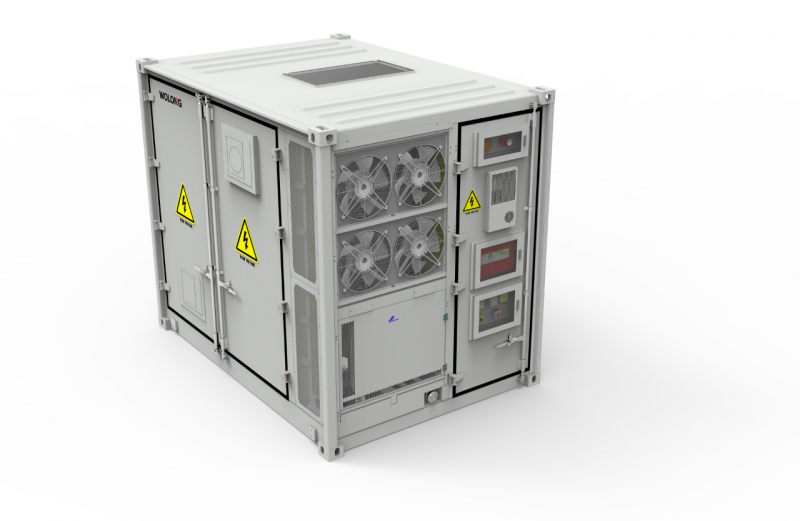
Battery performance depends on effective control of both temperature and electrical conditions. Without proper thermal management, excessive heat can affect battery efficiency and lifespan. Without electrical protection, abnormal conditions may impact system safety and reliability. For this reason, modern utility-scale battery energy storage systems require a comprehensive protection approach that combines both technologies.
The Safety Challenges of Large Energy Storage Systems
Large energy storage projects contain many battery cells, modules, and electrical components operating together. As system capacity increases, managing internal conditions becomes more complex.
Battery systems generate heat during charging and discharging. At the same time, electrical components must continuously manage voltage, current, and power flow. Any imbalance in these areas may affect system performance.
For utility-scale applications, safety cannot rely on a single protection method. A complete design must consider thermal conditions, electrical behavior, monitoring capability, and system-level protection to support stable operation.
The Importance of Thermal Management in Battery Storage
Temperature control is one of the most important factors affecting battery performance. Excessive heat can accelerate battery aging, reduce efficiency, and create additional safety challenges.
A reliable thermal management system helps maintain battery cells within an appropriate operating range. By controlling temperature differences between battery units, the system supports more consistent performance during long-term operation.
In large storage projects, effective thermal management becomes even more important because thousands of battery cells may operate simultaneously. Maintaining temperature consistency helps improve system reliability and supports stable energy output.
The Role of Electrical Protection in System Reliability
While thermal management focuses on temperature control, electrical protection addresses abnormal conditions within the power system. Battery storage systems must manage changing voltage, current, and power levels during operation.
Electrical protection functions help detect and respond to issues such as overcurrent, overvoltage, or other abnormal operating conditions. These measures reduce operational risks and help protect key system components.
For utility-scale energy storage, electrical protection is an essential part of maintaining safe and reliable performance. It works together with battery management systems and monitoring technologies to create a stronger safety framework.
How Thermal and Electrical Systems Work Together
Thermal management and electrical protection address different aspects of energy storage safety, but their functions are closely connected. A well-designed system must coordinate both areas to achieve reliable operation.
For example, temperature changes can influence battery performance and electrical characteristics. At the same time, electrical operating conditions can affect heat generation within the battery system.
By combining temperature control, electrical monitoring, and intelligent management, storage systems can respond more effectively to changing operating conditions. This integrated approach is especially important for large-scale applications that require continuous operation.
How Our Utility-Scale ESS Supports Safe Operation
Our utility-scale ESS solution is designed for large energy applications that require reliable performance and comprehensive protection. The system integrates advanced battery technology, intelligent monitoring, and system-level management functions to support stable operation.
The solution adopts a modular architecture that allows flexible configuration according to project requirements. This design helps simplify deployment while supporting efficient operation in different energy storage scenarios.
Through advanced thermal management and electrical protection strategies, our system helps maintain consistent battery performance and improve operational reliability. Intelligent monitoring capabilities provide better visibility into system conditions, allowing operators to manage energy storage performance more effectively.
Key Design Factors for Long-Term Energy Storage Performance
Selecting an energy storage system requires more than evaluating storage capacity. Long-term performance depends on multiple factors, including battery technology, safety design, thermal control, electrical protection, and system management.
For renewable energy integration and grid applications, storage systems must operate reliably under changing conditions. Strong protection mechanisms help maintain system availability and support long service life.
Modern utility-scale battery energy storage systems combine multiple technologies to address these requirements. A complete solution should provide both operational efficiency and safety confidence for large-scale energy projects.
Reliable Protection Supports the Future of Energy Storage
As renewable energy adoption continues to grow, energy storage systems will play a larger role in supporting grid flexibility and clean power development. However, the value of storage depends on the ability to operate safely and consistently over time.
Advanced protection technologies provide the foundation for reliable energy storage. Thermal management maintains battery conditions, while electrical protection helps safeguard system operation.
Our energy storage solutions are designed around practical challenges in large-scale applications, combining reliable system design, intelligent management, and safety-focused engineering. At Wolong, we help customers strengthen operational reliability and improve energy system performance with advanced utility-scale ESS solutions. Contact us to discuss how our technology can support your specific energy storage requirements.