


Renewable energy projects are expanding quickly, but connecting solar and wind power to the grid requires more than adding generation capacity. The variable nature of renewable electricity means that power output can change throughout the day, while electricity demand may follow a completely different pattern.
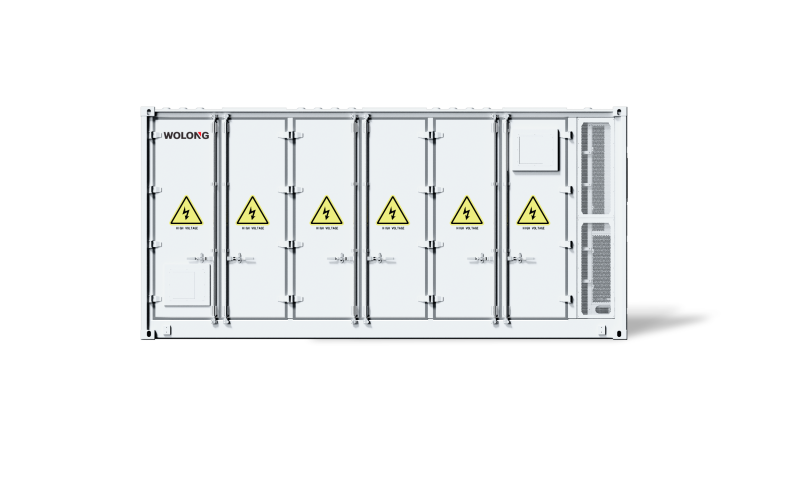
Battery storage provides a practical solution by creating flexibility between renewable generation and grid requirements. By storing electricity when renewable output is high and releasing it when needed, storage systems help improve grid stability and make renewable energy easier to manage.
Renewable Power Connection Faces New Grid Challenges
Traditional electricity systems were built around relatively predictable power generation. Renewable energy introduces greater variation because solar and wind output depends on weather conditions, sunlight availability, and seasonal changes.
For grid operators, this variability creates challenges in maintaining a continuous balance between electricity supply and demand. Sudden changes in renewable generation may require additional flexibility to keep the power system operating smoothly.
Energy storage helps address these challenges by acting as a controllable energy resource that can respond quickly to changing grid conditions.
How Battery Storage Improves Renewable Energy Flexibility
Battery storage allows renewable electricity to be captured when production exceeds immediate demand. Instead of sending all generated power directly to the grid, excess electricity can be stored and used later.
When renewable generation decreases or demand increases, stored electricity can be released to provide additional support.
Through renewable energy battery storage, solar and wind power become more adaptable because electricity availability is no longer limited to the exact moment of generation.
The Function of a Grid Storage System in Renewable Integration
A grid storage system helps manage electricity flow between renewable generation sources and the power network. It can support applications such as energy balancing, peak demand management, and renewable output smoothing.
Unlike some traditional energy management methods, battery storage can respond rapidly to short-term changes in electricity conditions.
This fast response capability makes storage an important tool for improving grid flexibility as renewable energy penetration continues to increase.
Managing the Gap Between Renewable Generation and Electricity Demand
One of the main difficulties with renewable energy is the difference between when electricity is produced and when it is needed.
For example, solar facilities may generate significant electricity during midday, while demand may increase in the evening. Wind projects may also experience periods of high generation that do not match consumption patterns.
Battery storage helps shift electricity availability by storing power during high-generation periods and releasing it during higher-demand periods. This improves renewable utilization and reduces pressure on grid operations.
How We Support Flexible Renewable Energy Applications
We develop ESS solutions designed to support renewable integration, grid-side applications, and different energy management requirements.
Our solutions consider key factors such as project scale, electricity demand, renewable generation characteristics, and operational conditions. By combining storage technology with practical system design, we help customers achieve better control over renewable energy resources.
For a grid storage system, reliable performance depends on more than battery capacity. System integration, intelligent control, and long-term operational stability are also essential.
The Value of Storage in Future Renewable Power Systems
As more renewable energy enters the electricity market, flexibility will become increasingly important. Battery storage allows power systems to manage fluctuations while maintaining a stable electricity supply.
Storage does not replace renewable generation or existing grid infrastructure. Instead, it works alongside these systems by providing additional control over when and how electricity is delivered.
This makes storage a valuable component of future energy networks that rely on higher levels of renewable power.
Important Factors When Selecting Battery Storage Solutions
A suitable storage solution should match the specific requirements of each renewable energy project. Factors such as response speed, storage capacity, safety design, and integration capabilities all influence system performance.
Project developers and energy operators need to evaluate both current needs and future expansion plans when selecting storage technologies.
A well-designed solution ensures that renewable electricity can be managed efficiently throughout the project lifecycle.
Creating More Adaptable Renewable Energy Connections
Battery storage changes the way renewable energy interacts with the grid. Instead of treating solar and wind power as fixed sources of electricity, storage enables more flexible control over energy timing and delivery.
By improving coordination between renewable generation and electricity demand, storage systems help create more resilient power networks.
We combine engineering experience, system integration capabilities, and energy storage expertise to address the challenges of renewable grid connection. With our commitment to advancing flexible energy solutions, Wolong supports customers in building more reliable renewable energy systems that adapt to changing grid requirements.