


Electricity demand rarely stays the same throughout a business day. Commercial and industrial facilities often experience periods of high consumption when production equipment, HVAC systems, and other electrical loads operate at full capacity. At other times, electricity demand may be much lower, creating differences in power usage and energy costs.
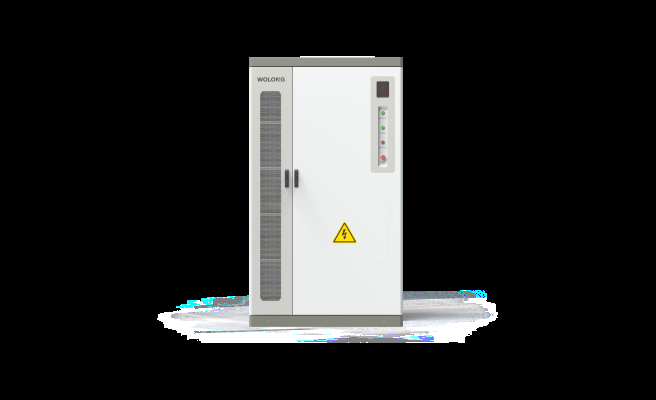
Peak shaving and valley filling provide a way to manage these changes more effectively. By storing electricity during lower-demand periods and using it during peak hours, energy storage systems help businesses optimize electricity consumption and improve energy flexibility.
A Typical Daily Energy Pattern in Commercial and Industrial Facilities
A facility’s electricity demand usually follows a predictable pattern. During early hours, power consumption may gradually increase as operations begin. Demand can reach its highest point when production activities, equipment operation, and business activities are running simultaneously.
Later in the day, electricity usage may decrease as operations slow down. However, the cost of electricity does not always follow the same pattern. Many regions apply time-of-use pricing, where electricity during peak periods is more expensive than during lower-demand periods.
This difference creates opportunities for energy storage to improve cost management.
How Peak Shaving Reduces High-Demand Pressure
Peak shaving refers to reducing electricity consumption from the grid during periods of high demand. Instead of drawing all required electricity from the grid at peak times, a facility can use stored energy to support part of its power needs.
For example, when electricity demand reaches its daily peak, an energy storage system can discharge stored power and reduce the amount of electricity purchased from the grid.
This approach helps businesses control demand levels while maintaining normal operations. With renewable energy battery storage, facilities can also combine renewable generation with stored energy to improve overall energy efficiency.
Valley Filling Uses Lower-Cost Electricity More Effectively
Valley filling focuses on charging energy storage systems during periods when electricity demand is lower. During these periods, electricity prices are often more favorable, making it possible to store energy at a lower cost.
The stored electricity can then be used during higher-demand periods, reducing dependence on expensive peak-hour electricity.
This strategy allows businesses to make better use of existing power resources. It also supports more balanced electricity consumption throughout the day.
A Day-in-the-Life Example of ESS Operation
Consider a manufacturing facility operating from morning until evening. At the beginning of the day, electricity demand gradually increases as production equipment starts running.
During lower-demand hours, the ESS charges and stores electricity. When production reaches its busiest period and electricity demand rises, the system begins discharging to reduce grid consumption.
In the evening, when operations slow down, electricity demand decreases again. The storage system can adjust its operation according to energy conditions, preparing for the next cycle.
This daily process demonstrates how green energy storage solutions can support more flexible energy management.
The Role of ESS in Renewable Energy Applications
Energy storage becomes even more valuable when combined with renewable generation. Solar power, for example, may produce significant electricity during the day, but the timing of generation may not always match facility demand.
By storing renewable electricity when production is high, businesses can use more clean energy when needed.
For customers exploring renewable energy battery storage, ESS provides a practical connection between renewable generation, electricity pricing, and daily energy consumption patterns.
How We Design Solutions for Different Energy Needs
We develop ESS solutions based on real application requirements, including commercial facilities, industrial operations, and renewable energy projects.
Our approach considers factors such as electricity demand patterns, operating schedules, renewable generation availability, and energy management goals. By matching system design with actual usage conditions, we help customers achieve more efficient energy control.
For projects requiring green energy storage solutions, effective system integration is essential because storage value depends on how well the system responds to real energy conditions.
Why Peak Shaving and Valley Filling Matter for Future Energy Management
As electricity demand continues to grow, businesses need more flexible ways to manage energy consumption. Relying only on grid expansion may not always be the most efficient approach.
Energy storage provides another option by helping users optimize when electricity is consumed and how renewable energy is utilized.
Peak shaving and valley filling are not only strategies for reducing electricity costs. They also support better energy planning and create more adaptable power systems.
A More Flexible Approach to Daily Energy Use
The value of energy storage comes from its ability to adjust electricity usage according to changing conditions. By shifting energy consumption from expensive periods to more suitable times, businesses can improve control over their power resources.
We focus on applying ESS technology to practical energy scenarios, helping customers manage daily electricity demand with greater flexibility. Through our experience in storage system development and renewable energy applications, Wolong provides solutions that support smarter energy use and more efficient power management.